The Truth Behind Iconic Movie Quotes We Always Misremember
Explore numerous iconic movie quotes that are frequently misquoted and the reasons behind their transformation over time.
Explore Louisa Gavin's character in Best Medicine, her thematic significance, and Abigail Spencer's portrayal.
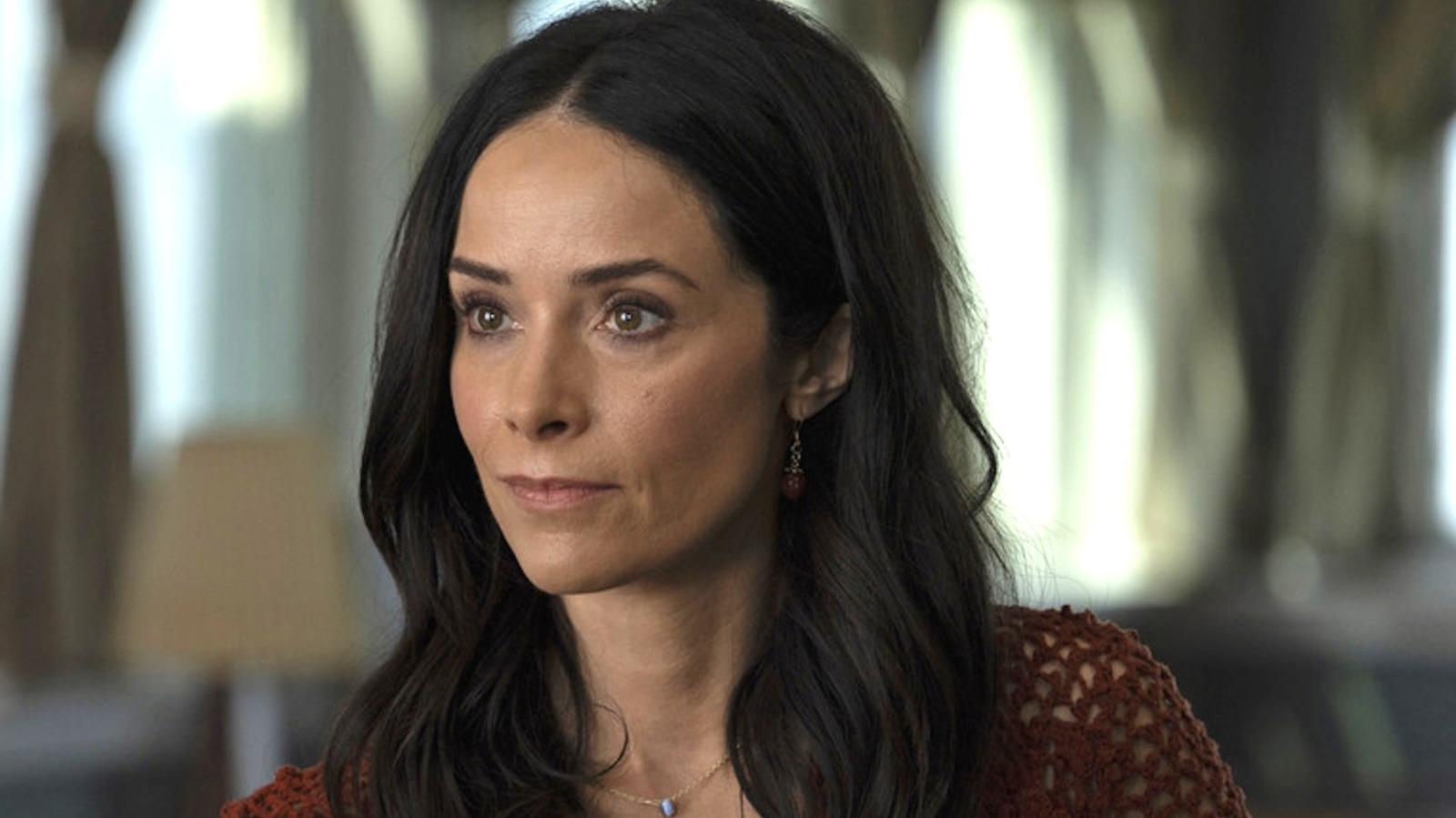
In simple terms, Louisa Gavin's role in Best Medicine raises questions about personal trauma, the journey to healing, and the connections we forge within a community. Louisa, portrayed by Abigail Spencer, serves as a critical counterpoint to Dr. Martin Best's charm. She embodies skepticism and realism, balancing the more whimsical elements of the story. What happened is that her character challenges the notion of perfection in medicine, forcing Dr. Best to confront his own vulnerabilities, particularly his severe blood phobia, which deeply ties into the show's broader themes of resilience and compassion.
Louisa Gavin’s initial skepticism is more than mere resistance to change; it represents a voice of critical realism within the often idealized world of small-town medicine. While the residents of Port Wenn are largely accepting of Dr. Best’s shortcomings, Louisa stands out as someone who questions the status quo. This skepticism sets the stage for some of the show's most poignant character development moments.
What drives Louisa to challenge Dr. Best? Her encounter with the doctor unveils layers of her own complexity. Louisa's past experiences likely shape her wary demeanor toward a new physician in a small town where trust is paramount. Spencer’s interpretation of Louisa illustrates an emotionally rich character aware of the potential failures in accountability that can arise in the medical field, especially when one is profoundly flawed, as seen with Dr. Best.
Louisa’s personal history can be seen as a reflection of the community’s inherent struggles. As she navigates her distrust towards Dr. Best, it becomes evident that her choices influence his evolution as a character. While some viewers may initially perceive her as a mere antagonist, it’s crucial to acknowledge her position as a catalyst for Dr. Best’s transformation. Louisa's resistance compels him to delve deeper into his emotional traumas, allowing for growth not just as a physician but as a person.
One of the show’s underlying themes is the duality of kindness versus skepticism. Louisa embodies the skeptical voice while Dr. Best represents a more idealistic approach to medicine and life. This juxtaposition plays a pivotal role in the narrative’s development. As their relationship evolves, it subtly underscores the necessity for compassion not merely in healthcare but in the fabric of human interaction.
As he grapples with his phobia that originally led him to this small town, Louisa's presence becomes integral in grounding him. By recognizing his fears, she pushes him to confront them, ultimately shaping the trajectory of the entire series. This evolution suggests that effective leadership and healing often stem from vulnerability and openness, concepts that Louisa embodies throughout Best Medicine.
Her role serves multiple purposes: she’s not just a skeptic, but a pragmatic voice advocating for accountability and understanding in medical practice. The dynamics between Louisa and Dr. Best foster essential discussions about healing processes that go beyond physical health, touching on mental and emotional well-being as integral components of improving overall outcomes.
The series takes on a charming yet significant tone by portraying both characters as flawed yet capable of growth, thereby promoting kindness as a necessary pillar of their evolving relationship. This balance is crucial for the show’s reception, particularly in today's environment, where light-hearted entertainment offers a welcome escape from weighty global issues.
While the details about the show’s ending remain undisclosed, the evolving dynamics between Louisa and Dr. Best prepare the audience for a satisfying journey toward growth and understanding. The interplay between their characters leads to a hopeful conclusion, reinforcing the idea that growth springs from conflict, acceptance, and ultimately, compassion. Louisa’s role not only challenges but also enhances Dr. Best's character, suggesting what it means to heal both professionally and personally.
As Best Medicine continues, Louisa’s future interactions with Dr. Best will likely remain impactful, potentially leading to deeper explorations of their characters. The theme of kindness woven throughout the series offers a relevant narrative that appeals to contemporary viewers, emphasizing the importance of connection and accountability. As the show develops, audiences can anticipate more nuanced portrayals that reflect real-life challenges within the medical profession.
For those interested in exploring similar character dynamics, consider checking out narratives like Suits, where characters often navigate ethical dilemmas, or Timeless, which showcases complex character arcs against historical backdrops. Both series share thematic elements of character development rooted in interpersonal relationships.
Moreover, Best Medicine finds itself in a unique position within comedic dramas. The narrative surely emphasizes emotional warmth coupled with realism, a combination that should keep audiences engaged as Louisa’s character evolves in response to Dr. Best’s ongoing journey.
Movie explanation
EpisodeBreakdown may use automated tools to assist research, drafting, and formatting. Published pages are governed by our editorial and corrections policies, and source links are shown when they are available in the article record.
Discovery source: Slashfilm. The source identifies where the topic was discovered; EpisodeBreakdown is responsible for the commentary published on this page.
Reader response
Reactions and poll results are based on real reader responses. No account is required.