movies
The Frighteners
Explore the intense storytelling and craftsmanship behind the most suspenseful thrillers of the last 50 years.
The core inquiry surrounding thrillers is: What elements create genuine suspense that keeps audiences on the edge of their seats? The ten films detailed here effectively demonstrate that suspense is driven by a delicate balance of character development, psychological tension, and distinctive narratives. In simple terms, great thrillers utilize these elements to elicit unrest and anticipation as viewers become engrossed in the unfolding drama.
Frantic, directed by Roman Polanski and featuring Harrison Ford as Richard Walker, focuses on the harrowing experience of a man whose wife disappears upon their arrival in Paris. The film captures a feeling of helplessness and urgency, keeping audiences anxiously guessing about her whereabouts. Walker's emotional state shifts from confusion to desperation, emphasizing the theme of vulnerability.
The tension builds as Walker navigates a web of deception and manipulation, particularly through his reluctant partnership with underground smuggler Michelle. This subplot deepens the narrative's suspense, highlighting how dire circumstances can lead individuals to unexpected alliances. The film's pacing, continuous sense of panic, and evocative score contribute to a gripping atmosphere, embodying a potent blend of mystery and emotional turmoil.
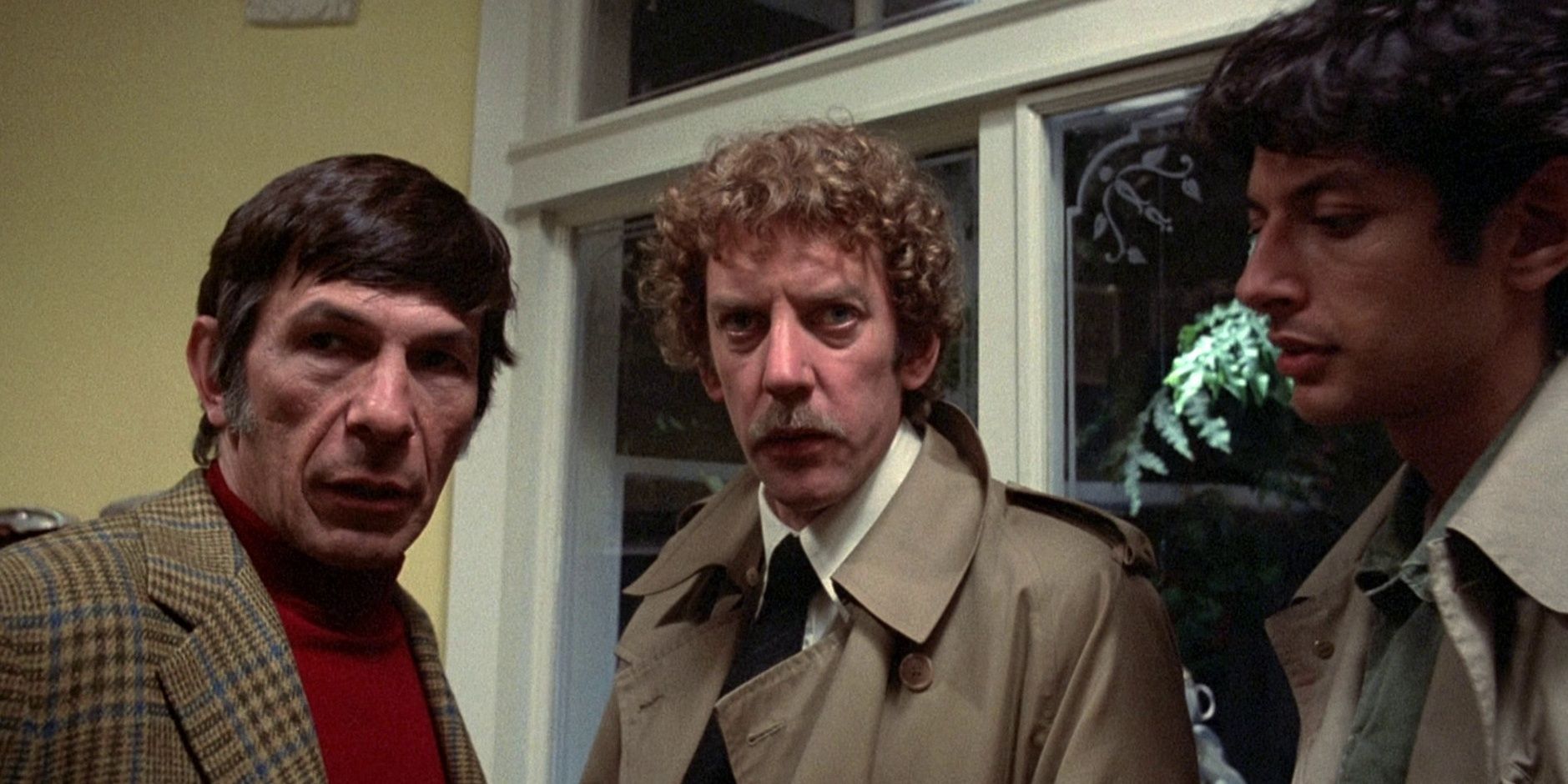
In the 1978 remake of Invasion of the Body Snatchers, tension arises not only from external threats but also from the pervasive distrust within human relationships. Matthew Bennell, portrayed by Donald Sutherland, is enveloped in a conspiracy that escalates as his friends and acquaintances begin to transform into emotionless duplicates. This paranoia is the heartbeat of the film, as viewers grapple with the question of who can truly be trusted.
What makes this thriller compelling is its manipulation of familiar settings. The dread of alien infiltration resonates as a metaphor for societal fears, particularly during the tumultuous events of the late '70s. The film's poignantly unsettling ending leaves audiences questioning their reality, reinforcing the idea that the most effective suspense transcends genre—becoming a reflection of deeper societal anxieties.
The Fugitive excels as a masterful thriller built around relentless pursuit and poignant personal stakes. Harrison Ford, as Richard Kimble, embodies a man wrongfully accused of his wife's murder, lending depth to the emotional stakes of the narrative. The film cleverly prioritizes the cat-and-mouse dynamic between Kimble and Deputy U.S. Marshal Sam Gerard, played by Tommy Lee Jones.
The intensity of their encounters heightens viewer engagement, turning the investigation into a high-stakes chess game. With each close call, the viewers' investment in Kimble's plight deepens, accented by the backdrop of claustrophobic settings and a gripping score that amplifies every chase. The seamless transition between action and emotional depth cements The Fugitive's status as a classic thriller, equal parts thought-provoking and adrenaline-inducing.
Argo employs the real-life backdrop of the Iranian hostage crisis to create an authentic sense of danger and urgency. Ben Affleck’s direction emphasizes the tension of not just being caught, but the very real fears that come with being in a hostile environment. This concept resonates strongly with Joshua Bearman’s account of true events, further deepening the engagement of viewers well aware of the impending disaster.
Conversely, Zodiac presents a slow-burn tension as cartoonist Robert Graysmith, played by Jake Gyllenhaal, becomes fixated on unveiling the identity of the serial killer. What makes the film suspenseful is not just the pursuit of the murderer, but the emotional costs that obsession demands. Fincher’s careful pacing invites viewers to experience the weight of Graysmith’s choices, which renders a claustrophobic dread that mirrors the relentless pursuit of understanding the unknown.
The Silence of the Lambs unravels its suspense through character interaction rather than simply through violent action. Clarice Starling, portrayed by Jodie Foster, emerges as the unlikely protagonist seeking insight from the charismatic yet terrifying Hannibal Lecter, played by Anthony Hopkins. Their conversations weave a psychological tension, filled with meticulous manipulation.
The film's duality—between Starling’s resolve and Lecter’s intellect—creates an unsettling dance that keeps viewers guessing about motivations and allegiances. The interplay represents the fight between rational thought and primal emotion, culminating in a climax that is as chilling as it is riveting. This masterful balancing act forms the crux of what makes The Silence of the Lambs not just a thriller, but a profound character study celebrating psychological complexity.
Both Mystic River and No Country for Old Men evolve around deeply ingrained personal traumas that fuel the thrill of their narratives. In Mystic River, director Clint Eastwood plunges into the past traumas of three childhood friends who are unexpectedly reunited by tragedy. Here, the film emphasizes how unresolved pain shapes a person’s actions later in life. The vested emotional stakes create an inescapable tension as secrets resurface, leading to devastating consequences.
In stark contrast, No Country for Old Men, based on Cormac McCarthy’s novel, introduces a nearly supernatural antagonist through Anton Chigurh, played by Javier Bardem. His methodical violence injects relentless suspense, leading viewers to contemplate the randomness of violence and fate, creating an unsettling atmosphere. The tension rests as much in the nature of Chigurh’s character as it does in the survival instincts of Llewelyn Moss.
David Fincher’s Se7en reminds audiences of the chilling nature of human depravity as two detectives track a serial killer who uses the Seven Deadly Sins as his modus operandi. The film’s narrative creates an atmosphere thick with dread, skillfully layering each chilling murder suspended by grotesque imagery. This portrayal of relentless violence erodes viewer comfort, instilling a sickening tension throughout.
Conversely, Sorcerer exemplifies suspense through its exploration of existential dread. Characters are constantly confronted with imminent peril as they maneuver through treacherous terrain, making every second suspenseful. The mounting sense of danger creates an exquisite tension rooted more in the psychological stakes of survival rather than conventional thrills. The viewers' connection to the characters deepens as the risks and stakes soar, maintaining engagement until the final confrontation.
The charm of suspenseful thrillers emerged over the past 50 years showcases the genre's ability to probe deeper psychological and societal fears. Each film serves as a vessel for underlying themes of trust, obsession, and the human condition—a reflection more relevant to contemporary audiences than ever. As viewers seek sentiment-fueled narratives, the legacy of these expert thrillers reinforces their necessity in cinema. Exploring films such as The Fugitive, Invasion of the Body Snatchers, and The Silence of the Lambs unveils a journey steeped in complex emotions that enriches the cinematic experience. Feel free to check out more in-depth analyses of similarly impactful films through our other articles: 5 MCU Movies That Surpass Spider-Man: Brand New Day and Exploring Movies You Should Watch If You Love John Wick.
Movie explanation
EpisodeBreakdown may use automated tools to assist research, drafting, and formatting. Published pages are governed by our editorial and corrections policies, and source links are shown when they are available in the article record.
Discovery source: CBR Movies. The source identifies where the topic was discovered; EpisodeBreakdown is responsible for the commentary published on this page.
Reader response
Reactions and poll results are based on real reader responses. No account is required.
Delve into the cultural significance of 'The Frighteners,' a film that bridged Peter Jackson's indie roots to Hollywood ambition while marking the rise of Wētā.