Exploring Trilogies That Outshine Nolan's Batman
A thoughtful analysis of superhero trilogies that surpass Nolan's esteemed Batman series.
Uncovering the complexities behind the historical drama 'The Current War' starring Tom Holland and Benedict Cumberbatch.
Explore the franchise
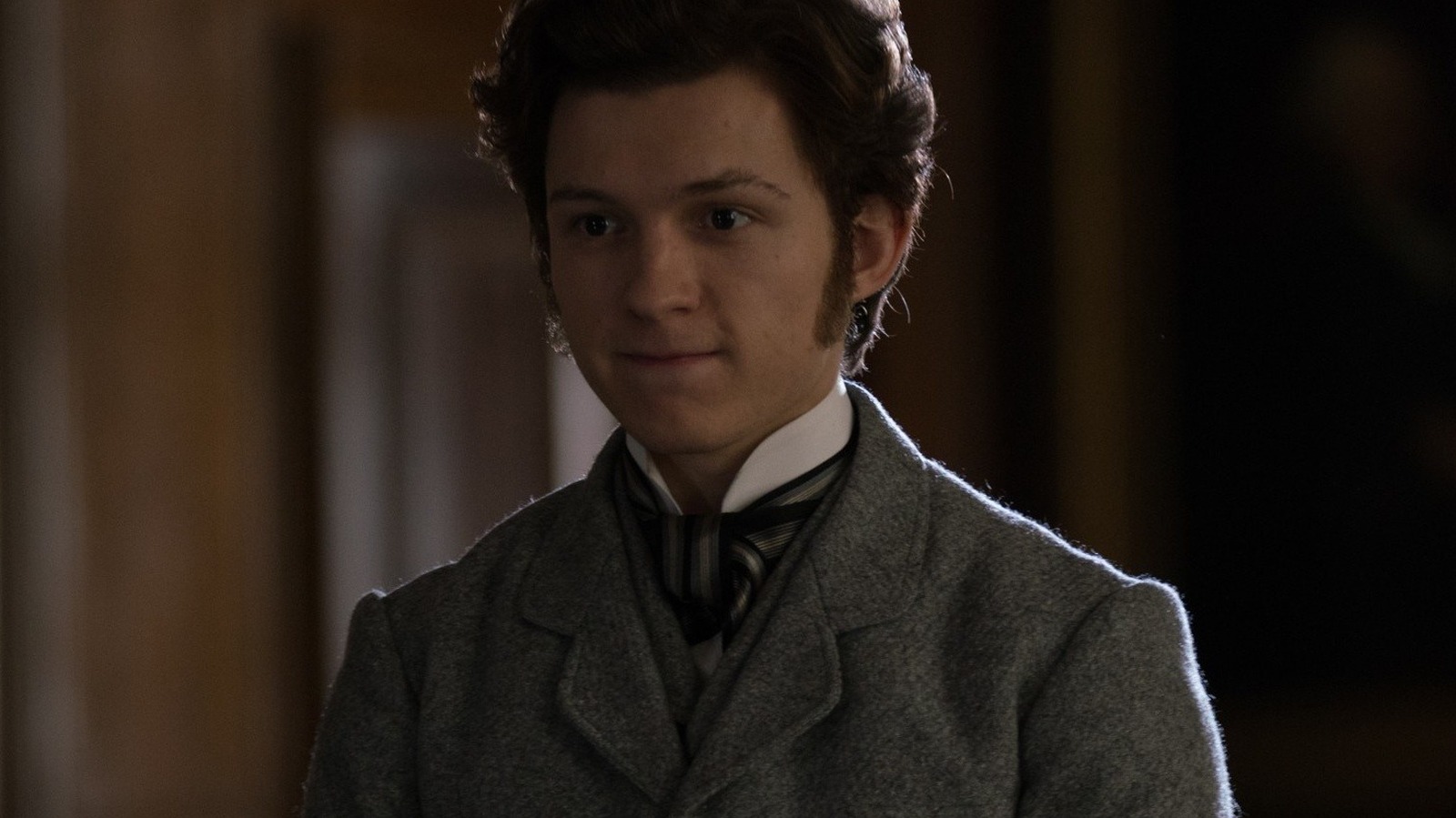
In simple terms, the 2017 film "The Current War" poses a central question: How do technological advancements shape human rivalry? The film, starring Tom Holland and Benedict Cumberbatch, explores the fierce competition between legendary inventors Thomas Edison and George Westinghouse over the future of electricity. Here is what is confirmed: the narrative chronicles a pivotal moment in industrial history, depicting contrasting philosophies in electrical systems that still resonate today.
The story revolves around the late 19th-century battle between Edison, portrayed by Cumberbatch, and Westinghouse, played by Michael Shannon. Edison, champion of direct current (DC) electrical systems, initially wins public favor when he delights New York City by lighting up Manhattan. However, his approach proves flawed, triggering a significant turning point when Westinghouse, with the help of the brilliant Nikola Tesla, advocates for alternating current (AC), which is ultimately capable of delivering electricity over longer distances more safely and effectively.
Holland plays Samuel Insull, Edison’s associate, embodying the struggle caught between ambitions and loyalties. Insull’s character arc serves as a microcosm of the broader battle, showcasing the moral and ethical dilemmas faced within industrial progress.
"The Current War" delves deeply into the themes of innovation and rivalry, presenting technology not just as a set of tools but as catalysts for personal and corporate conflict. The insightful portrayal of Edison and Westinghouse reflects how innovators often possess a dual nature—creative brilliance coexisting with intense competitiveness. This dichotomy raises questions about the sacrifices made in the name of progress, emphasizing that advancements come with both triumphs and human costs.
The film also illustrates the corrupting influence of power plays in business, particularly through characters like J.P. Morgan, who financially backs Edison. The interpersonal conflicts within these historical figures resonate with contemporary issues in technology-driven industries today, where ethics and personal ambition often collide.
Despite its compelling narrative, "The Current War" faced numerous obstacles leading up to and following its film festival premiere at TIFF in 2017. Critically, the version shown was not that of director Alfonso Gomez-Rejon’s true vision; it had been rushed and meddled with in post-production due to the surrounding controversies stemming from Harvey Weinstein’s actions and the subsequent dissolution of The Weinstein Company. This led to a complicated release journey that overshadowed its artistic merit.
After finally emerging as "The Current War: Director's Cut" in 2019, the film found itself in a cluttered marketplace, alongside box-office giants like "Avengers: Endgame." After receiving a mixed initial reception, the director’s cut allowed for a second chance, but too much time had passed, limiting its impact on viewers and critics alike.
Character choices in the film provide crucial insights into its underlying meanings. Edison’s overtly showy demonstrations symbolize a countdown to his eventual downfall, illustrating that short-term glory can sometimes blind innovators to fundamental flaws in their creations. Conversely, Westinghouse’s quieter, more calculated approach highlights the importance of long-term thinking in innovation.
The film builds its tensions through the decisions made by both Edison and Westinghouse. Clues within their interactions and professional relationships suggest that victory in this battle carries significant emotional and ethical implications. Holland’s Insull offers an especially poignant perspective; his internal conflict between loyalty to Edison and recognition of Westinghouse’s superior vision serves to highlight the sacrifices and betrayals often woven into technological advancements.
The film concludes by addressing the overarching question of who truly won the war to bring electricity to the masses. While Westinghouse and Tesla ultimately emerge as purveyors of a more sustainable electrical future, the ambiguous moral implications of Edison's practices linger. This ambiguity resonates with viewers: technological progress often comes at a cost, and those who innovate must navigate complex ethical landscapes.
The ending reflects the dual nature of innovation—a solution to societal needs that can also leave a trail of destruction if driven solely by ambition. This chilling reminder of history reverberates through the lives of the characters and ultimately points to the broader implications of who gets to decide the direction of innovation.
The fate of "The Current War" serves as a cautionary tale about the intersection of art, commerce, and scandal in Hollywood. Despite its historical importance and a star-studded cast, the challenges it faced in production and release hindered its ability to engage audiences meaningfully. Reflecting on the film invites us to consider how the past informs our current technological race, emphasizing the importance of ethical considerations in innovation.
For those interested in the themes of competition and moral repercussions in technology, products like “Insidious: Out of the Further” or the breakdown of other documentaries, such as the ones focused on historical events, could offer additional layers of understanding. Likewise, understanding the dynamics at play in the Marvel Cinematic Universe, such as through articles on Tom Holland’s role in the franchise, can provide a sense of how these actors transition between genres and wider societal issues.
By examining "The Current War," viewers not only gain insights into the lives of its creators but also into the broader narrative of how our relationship with technology is shaped by history.
Whether you want to delve deeper into the intricacies of this film or explore other interpretations of technological innovation, it remains a historical drama worth revisiting.
Movie explanation
EpisodeBreakdown may use automated tools to assist research, drafting, and formatting. Published pages are governed by our editorial and corrections policies, and source links are shown when they are available in the article record.
Discovery source: Slashfilm. The source identifies where the topic was discovered; EpisodeBreakdown is responsible for the commentary published on this page.
Reader response
Reactions and poll results are based on real reader responses. No account is required.