
Analyzing Catherine's Duality in Hulu's Furious
Explore Catherine's complex portrayal in Hulu's Furious and examine themes of victimhood and vigilante justice.
This analysis delves into the themes and design choices of the new Big Lebowski Jesus Edition pinball table from Dutch Pinball.
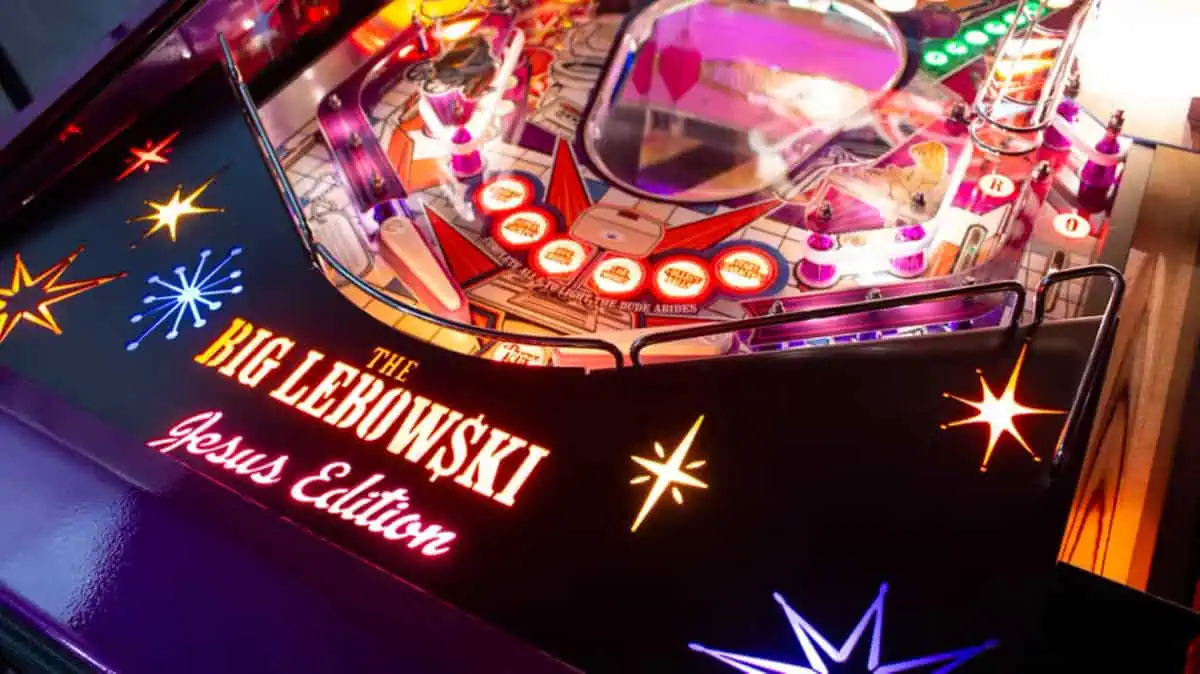
In simple terms, the newest offering from Dutch Pinball—The Big Lebowski Jesus Edition—invites both fans and newcomers to engage with the cult classic in a unique way. With its whimsical design and features, the table reflects core themes from the iconic film, while also providing a fresh experience for players. This article dives into the table's elements, looking at the symbolism and choices that tie it back to the film's narrative.
What happened is that the Jesus Edition pinball machine has been crafted with several nods to the film. Visually, it incorporates vibrant art and designs, prominently featuring the character Jesus Quintana, played by John Turturro, who has become a fan favorite. The mechanics of the machine are engineered to reflect key moments from the movie, ensuring that each flip, roll, and spin echoes the film's quirky spirit.
The aesthetic of the Jesus Edition is rich with references that fans can appreciate. For instance, the vibrant color palette and dynamic artwork evoke the film's comedic yet profound essence. It acts as a canvas illustrating not only Jesus' flamboyant character but also the hefty themes of absurdity and futility that run through the film. This aesthetic representation brings the essence of The Big Lebowski into a tactile playing experience.
The legends surrounding Jesus Quintana within The Big Lebowski highlight themes of machismo, confidence, and the absurd nature of competition. By choosing to spotlight this character, Dutch Pinball cleverly taps into the film's ongoing critique of masculinity and the often ridiculous measures individuals take to assert dominance. From a film analysis perspective, this reflects the larger thematic constructs of identity and farce woven throughout the movie.
The gameplay mechanics of the Jesus Edition embody the film's narrative structure. Each challenge the player faces can be seen as a parallel to the Dude's quest for understanding amidst chaos. The varying levels of gameplay invite players to engage with elements that mimic the unpredictability found in The Big Lebowski, especially as the Dude and his friends navigate a convoluted plot involving kidnapping and mistaken identities.
This table includes various game modes and features, some of which might hint at classic lines or scenarios from the film. Players may discover Easter eggs that further immerse them into the film’s world, allowing moments of laughter and nostalgia. Each pinball shot might also represent deeper ideas—reflecting how characters are often defined by their actions, mistakes, or unexpected triumphs.
The conclusion of a game on the Jesus Edition pinball board may trigger various animations or audio clips that resonate with finality, just as the film does. The blend of graphics, sounds, and interactive features keeps players engaged, drawing them back to dissect their gameplay just as audiences dissect the film’s storyline. The pinball table serves not only as entertainment but also as a vehicle for lasting conversation about The Big Lebowski and its multi-faceted humor.
Much like the film itself, the Jesus Edition pinball machine promotes dialogue about its themes and messages. Engaging with the game leads to a reflection on The Big Lebowski's legacy and its impact on pop culture, marking it as a testament to how beloved characters and narratives can be re-contextualized and appreciated in new forms. Players may find themselves unpacking not just their scores but also the absurdities of modern life, paralleling the Dude's philosophy that life needs to be approached with a level of leisure and reflection.
The release of the Jesus Edition pinball machine opens avenues for further discussions about Kenosha’s character in newer adaptations or merchandise. For instance, exploring the impact of character-driven narratives across different mediums could lead to meaningful expansions in how audiences interact with their favorite films. As pinball enthusiasts enjoy the antics of the Jesus Edition, it raises questions about how such collaborations can redefine cinematic legacies in unexpected ways.
Something to keep an eye on is not just the gameplay experience but also how entities like Dutch Pinball continue to innovate within the retro-modern gaming space. The chess-like dynamics of rebirth for cult classics suggest directions many may tread upon in future projects.
What this means is that the Jesus Edition isn’t simply a nostalgic repackaging; it is anchoring The Big Lebowski’s most humorous elements into a tactile experience that prompts players to reflect on the larger narratives of identity, absurdity, and the quest for meaning in their own lives, all within the chaotic structure of a pinball game.
Episode breakdown
EpisodeBreakdown may use automated tools to assist research, drafting, and formatting. Published pages are governed by our editorial and corrections policies, and source links are shown when they are available in the article record.
Discovery source: JoBlo. The source identifies where the topic was discovered; EpisodeBreakdown is responsible for the commentary published on this page.
Reader response
Reactions and poll results are based on real reader responses. No account is required.