movies
Exploring the Themes of Teenage Identity in 'Teenage
Dive into the complexities of Boyd Crowder's character in Justified, his motivations, and his impact on the series.
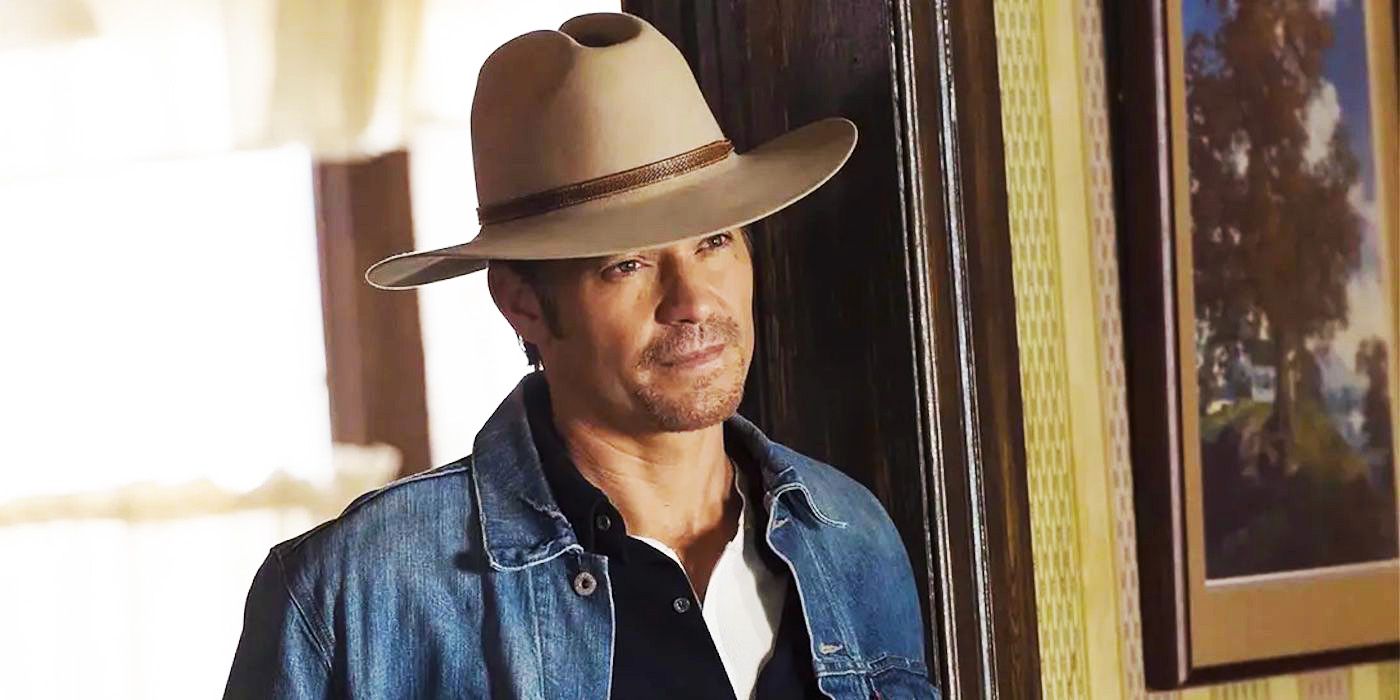
Boyd Crowder, portrayed by Walton Goggins, is recognized as one of the most complex characters in Justified. Originally introduced as the main antagonist to Deputy Marshal Raylan Givens, Boyd's character gradually transforms into a nuanced antihero. His journey is pivotal not only to the series narrative but also reflects the intricacies of morality within the show's universe.
Rooted in Harlan, Kentucky, Boyd's early experiences shape his relentless pursuit of autonomy and respect. His criminality is not merely an evil act but a misguided quest for empowerment and identity. His motivations are intricately entwined with his relationship with Raylan Givens, showcasing a rivalry that evolves into a complex mix of admiration and antagonism. This relationship drives much of the series' conflict, illustrating Boyd's diverse character arc.
The dynamic between Boyd and Raylan is central to the narrative of Justified. Their relationship oscillates between adversarial encounters and unexpected cooperation. The chemistry between Goggins and Timothy Olyphant adds depth to their interactions, serving to heighten the emotional stakes in their confrontations. In particular, their shared moments reveal layers of morality, loyalty, and conflict.
Boyd's romantic involvement with Ava Crowder further complicates his motivations. Ava acts as both a partner and a moral touchstone. Through her, the audience gains insight into Boyd's vulnerability and deeper desires for connection and stability, enhancing the essence of his character beyond mere villainy.
Among Boyd's transformative arcs is his unexpected survival beyond the pilot episode, where he was originally slated to be killed off. The decision to keep him alive after audience feedback not only established him as a series regular but also allowed for rich character development throughout the series. This pivotal choice reflects the creative potential recognized by the show's producers, allowing Boyd's evolution to unfold over multiple seasons.
Interestingly, Boyd's character also influenced literature, particularly in Elmore Leonard's final novel, Raylan, where Boyd's resurrection mirrors his survival in the series. This adaptation illustrates how Justified reshaped the original narrative directed by Leonard, blending television storytelling with literary creativity. Leonard's choice to include Boyd in Raylan underscores the character's lasting appeal and significance.
Boyd Crowder’s legacy transcends his screen time. He embodies moral dilemmas that challenge traditional views of good and evil, becoming a benchmark for multifaceted portrayals in contemporary television. Post-series, Boyd's enduring popularity is evident in local anecdotes and discussions about potential revivals, illustrating his profound impact on the show's fan base and the cultural landscape of Harlan, Kentucky.
Boyd Crowder's evolution from antagonist to a complex character reflects both outstanding character development and the storytelling potential within Justified. His journey encapsulates the depth of human experience, revealing the shades of morality present even in flawed characters. This transformation not only reinforces Boyd's iconic status but also highlights the power of television narratives to influence broader cultural themes and literary works.
For more insights into captivating characters, check our guides on Drelzna: The Infamous Character Returning to D&D and Understanding Myron Bolitar: Harlan Coben's Iconic Character.
Character guide
EpisodeBreakdown may use automated tools to assist research, drafting, and formatting. Published pages are governed by our editorial and corrections policies, and source links are shown when they are available in the article record.
Discovery source: Collider. The source identifies where the topic was discovered; EpisodeBreakdown is responsible for the commentary published on this page.
Reader response
Reactions and poll results are based on real reader responses. No account is required.
This article dives into the key themes and character motivations of 'Teenage Sex and Death at Camp Miasma,' revealing a deeper understanding of youthful exploration.