8 Key Questions Spider-Man 5 Must Address After Brand New Day
Explore the crucial questions left by Spider-Man: Brand New Day and how they shape the future of the franchise.
Explore the unfolding controversy surrounding the 'Children of Blood and Bone' film adaptation and its impact on the original author, Tomi Adeyemi.
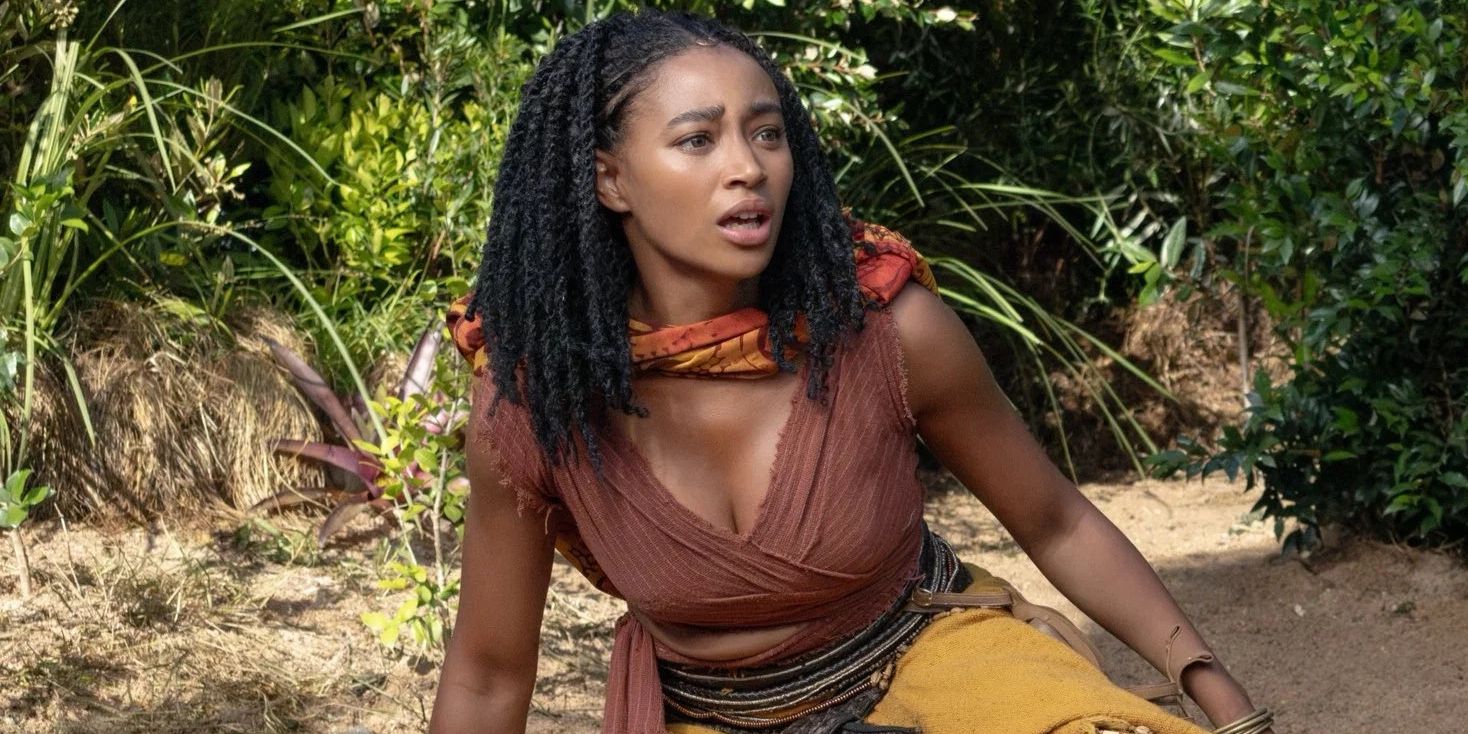
The key question surrounding the film adaptation of Tomi Adeyemi's acclaimed novel, Children of Blood and Bone, is: What led to the emotional turmoil of its author during the production process? In simple terms, the adaptation has evolved into a contentious issue, igniting public concern about the treatment of Adeyemi, who has openly stated that the experience left her in tears and feeling antagonized.
In a series of social media disclosures, Adeyemi revealed her distress after departing from the film set, claiming she left "hyperventilating and sobbing." While the production initially began with her involvement and even support, something shifted dramatically, leading to her withdrawal from engagement with the film. Importantly, Adeyemi shared that she had to block one of the film's stars, Amandla Stenberg, after feeling her name was misused in interviews. The emotional toll of these experiences is significant, impacting Adeyemi's mental health and leaving her unable to view the film she was once excited about.
To contextualize this narrative, it's essential to recognize Adeyemi's earlier enthusiasm about the project. She worked on the screenplay and had a vision for how her story would translate onto the screen. However, the distressing experiences behind the scenes marred what should have been a moment of celebration. This dichotomy illustrates how adaptations can veer off course, affecting not just the narrative but also the well-being of those who create the stories.
Another layer of complexity arises from Adeyemi's claim of continued antagonism after she left the set. She expressed feelings of harassment from unnamed individuals linked to the film. This ongoing conflict underscores a disturbing reality about how artistic collaborations can falter, particularly when individuals feel their contributions and autonomy are not respected. Adeyemi's plea for understanding serves as a testament to the broader implications regarding creator rights and emotional well-being in the film industry.
Despite these controversies, Children of Blood and Bone is directed by Gina Prince-Bythewood and features an impressive cast, including Thuso Mbedu, Damson Idris, and Cynthia Erivo. The film’s core story revolves around Zélie Adebola, who rises against the tyrannical King Saran to restore magic and hope to her people. This theme of fighting against oppression resonates with contemporary audiences, hinting at a rich viewing experience once the adaptation is released.
However, the tumultuous relationship between the author and the production team casts a shadow on the project. The tragic irony lies in the fact that the narrative of resilience against a repressive regime parallels Adeyemi's own struggles with the filmmakers. This dynamic raises questions about authenticity in the adaptation. Can a story about empowerment truly resonate when its creator feels disempowered?
As the release date nears, Adeyemi has staunchly declared her disinterest in the film, even stating she doesn’t wish to hear about it again. Her frustrations are palpable, leading to a broader dialogue about the creator's involvement post-adaptation. What does it mean for an artist when the very essence of their work becomes an entity they can no longer recognize, let alone endorse?
Additionally, the marketing push for Children of Blood and Bone intensifies the conversation. As promotional activities ramp up, Adeyemi’s statements highlight the ethical responsibilities of filmmakers to maintain a respectful and supportive environment for writers and creators.
Building on these events, one wonders how this will impact future film adaptations of literature. The landscape of creative collaborations often sees tension between original creators and adaptation teams. Are adaptations inevitably fraught with difficulties, or can they be constructive partnerships? Adeyemi's ordeal illustrates a cautionary tale for both filmmakers and authors about the importance of communication and mutual respect throughout the creative process.
As audiences anticipate the film's release on January 15, 2027, many will undoubtedly reflect on the underlying complexities of adaptation that often get glossed over. Adeyemi's heartfelt voice serves as a reminder that behind every story lies a creator’s personal journey, which should be honored rather than overshadowed.
The ongoing turmoil surrounding Children of Blood and Bone invites significant reflection on the practices within the film industry, particularly in how adaptations are handled. As Tomi Adeyemi's situation reveals, it is crucial for filmmakers to foster environments where writers feel valued and protected. This case could serve as a turning point, pushing the industry to prioritize mental health and respect for original voices in the adaptation process, ensuring that future projects create not just engaging stories but also support their creators emotionally and artistically.
This saga questions whether the underlying principles of creative collaboration can coexist in the high-stakes environment of Hollywood, and how understanding and empathy can pave the way for healthier artistic endeavors.
Movie explanation
EpisodeBreakdown may use automated tools to assist research, drafting, and formatting. Published pages are governed by our editorial and corrections policies, and source links are shown when they are available in the article record.
Discovery source: CBR Movies. The source identifies where the topic was discovered; EpisodeBreakdown is responsible for the commentary published on this page.
Reader response
Reactions and poll results are based on real reader responses. No account is required.