
'Our Time Will Come' Shines Light on Family and Identity in Ghana
Amartei Armar's debut film explores familial ties and societal challenges in Ghana through the journey of two orphans in search of home.
Tomi Adeyemi's sentiments on the adaptation of 'Children of Blood and Bone' reveal deeper issues within the film industry.
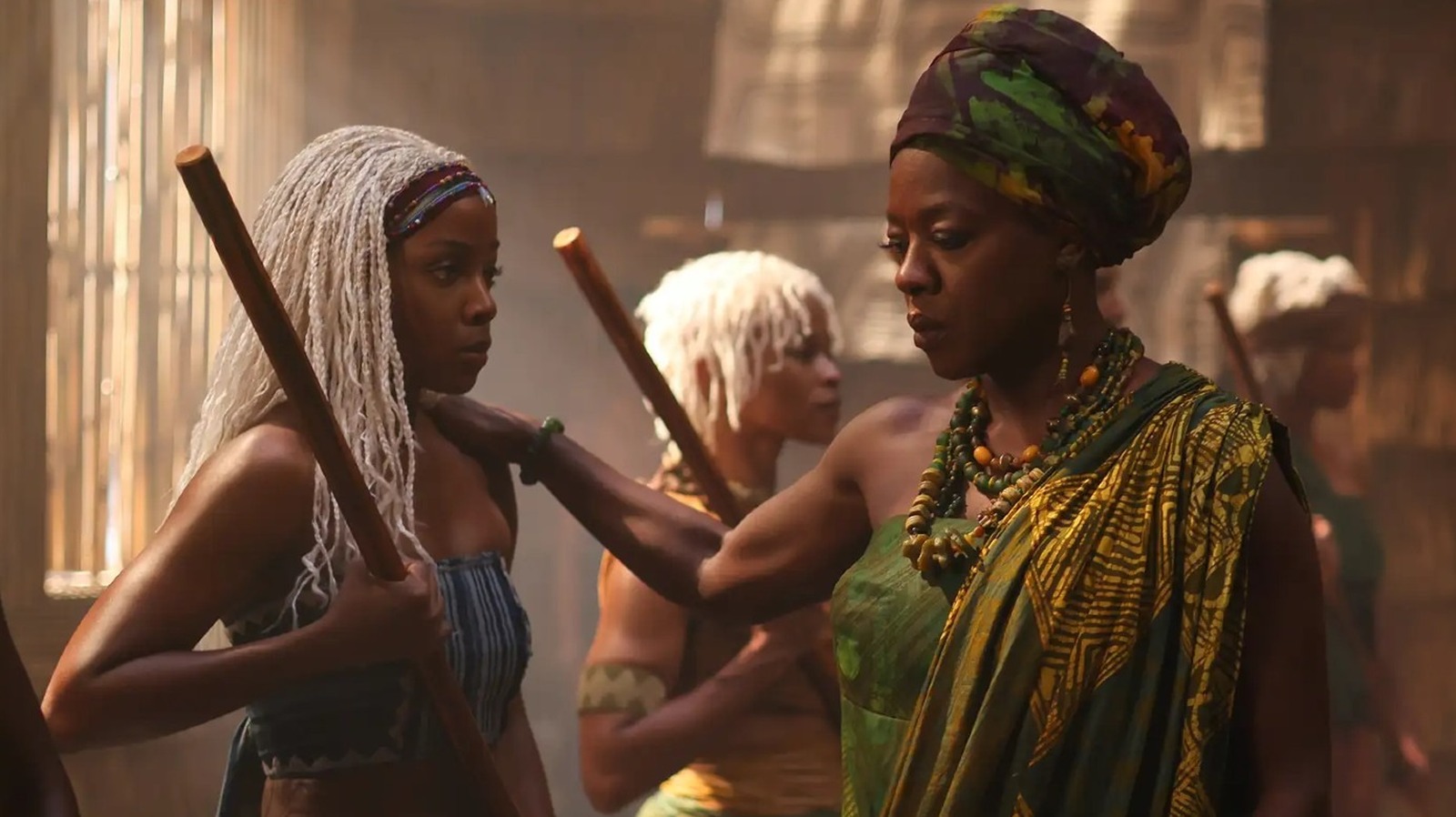
In simple terms, the central question surrounding the upcoming adaptation of Children of Blood and Bone is whether Tomi Adeyemi, the original author, supports the film's direction and production. Here is what is confirmed: Adeyemi expresses significant discomfort with the adaptation process, stating that it has caused her great personal distress. This indicates a critical division between the narrative vision of the book and the choices made during the film's development.
Tomi Adeyemi has been vocal about her harrowing experience while co-writing the screenplay. In a recent social media video, she revealed that she had to leave the film set feeling overwhelmed, declaring it the worst ordeal she has faced. This feeling of trauma and discomfort, which led to panic attacks and somatic pain, raises questions about how authorial intent and emotional well-being factor into the adaptation process. Adeyemi's departure suggests that her creative vision may not align with the final product, a concern that echoes in various film adaptations that have faced similar issues over the years.
Another critical factor in the film's discussion is the casting of Amandla Stenberg, who has received backlash for her lighter skin tone, especially given the story's African roots. Both Stenberg and Adeyemi addressed this sensitive issue, with Stenberg emphasizing her commitment to understanding the implications of her role. This controversy highlights ongoing challenges regarding representation in Hollywood, particularly concerning colorism. The attention around the casting choice reveals broader themes of racial identity and representation, framing the adaptation within a critical societal narrative.
With the rise of digital platforms, the dialogue surrounding adaptations has transformed, allowing authors to express their dissent publicly. Adeyemi's posts, including her announcement that she doesn't wish to watch the film, provide insight into her inner turmoil. Her candidness serves as an essential reminder of the emotional labor often involved in converting literature to screen. It also illustrates how social media can amplify the voices of creators, allowing them to advocate for their intentions and preserve their integrity amid business decisions.
The situation with Children of Blood and Bone resonates beyond this specific case, reflecting a more significant concern about storytelling and adaptation in Hollywood. If authors feel that their works are being mishandled or their voices silenced, the quality and integrity of adaptations may suffer. This issue invites audiences to consider the ethical dimensions of film adaptations, especially those derived from culturally significant narratives. Fans of the original material may find themselves at a crossroads, torn between their love for the story and the discomfort produced by its adaptation.
The film is set to release on January 15, 2027, transitioning into a broader discussion about its future. This release presents a multifaceted dilemma: the anticipation among fans for a visual representation of a beloved narrative versus the author's harrowing experiences that mar the excitement. Although the film may become a crowd-pleaser or box office success, Adeyemi's absence from approval and her expressed painful experiences cast a shadow over its acceptance among its original fanbase. Understanding this context adds depth to any anticipated viewing experience.
The strife underlying Adeyemi’s public expression of grief regarding the adaptation of Children of Blood and Bone sheds light on systemic issues in the film industry. It compels audiences and creators alike to engage in meaningful discussions about authorial ownership, representation, and adaptation integrity. As we approach the film's release, viewers must grapple with these complexities while retaining a critical lens towards the adaptation that unfolds.
For anyone looking to understand the implications of creative control in adaptations, this situation is a potent case study. It resonates with those interested in the interplay of literature and film, and how both mediums must evolve responsibly to honor their sources. The crux of Adeyemi's criticism, rooted in personal trauma and her commitment to cultural representation, makes for crucial conversations leading up to the film's release.
Movie explanation
EpisodeBreakdown may use automated tools to assist research, drafting, and formatting. Published pages are governed by our editorial and corrections policies, and source links are shown when they are available in the article record.
Discovery source: Slashfilm. The source identifies where the topic was discovered; EpisodeBreakdown is responsible for the commentary published on this page.
Reader response
Reactions and poll results are based on real reader responses. No account is required.
