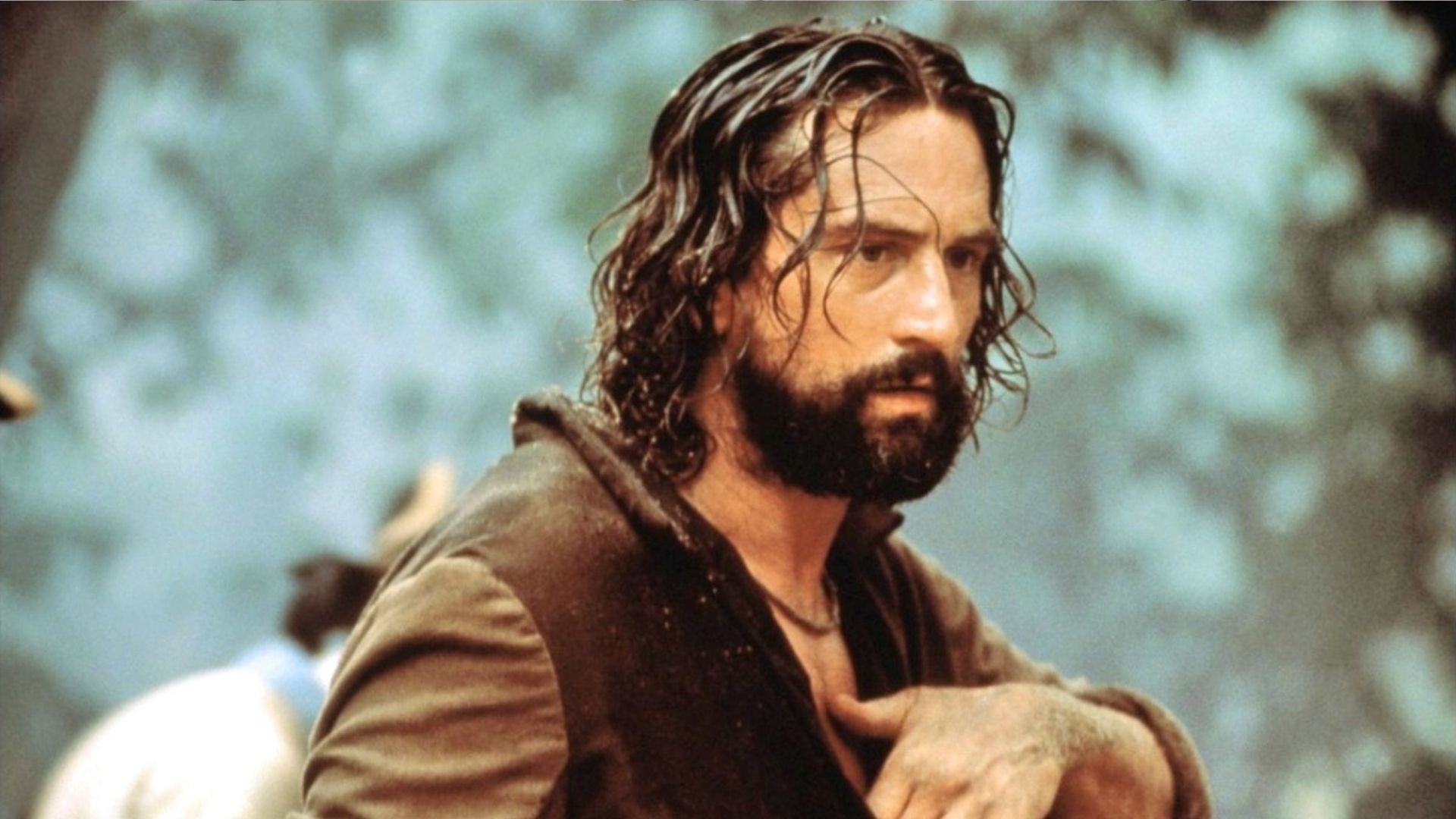
Exploring Robert De Niro's Role in The Mission
An in-depth analysis of Robert De Niro's transformative role in The Mission, exploring its themes and historical context.
An in-depth analysis of the disastrous production and legacy of 'Christopher Columbus: The Discovery', starring Tom Selleck and Marlon Brando.
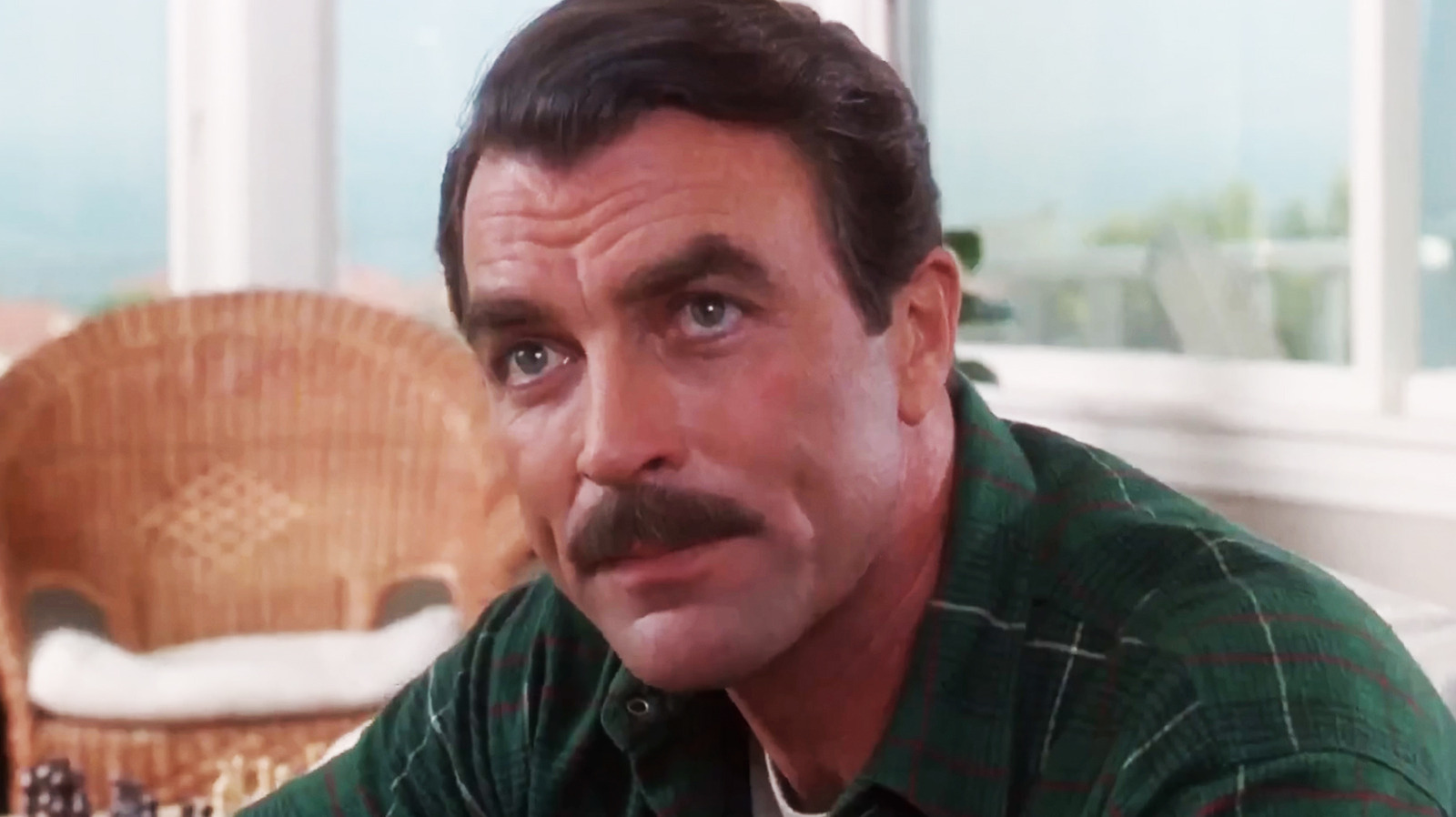
The central question regarding "Christopher Columbus: The Discovery" is whether the film’s portrayal of historical events and its production challenges contribute to its status as a disaster. In simple terms, the answer is yes—both the filmmaking process and the executed narrative played significant roles in its failure. Critics and audiences alike condemned the film for its uninspired treatment of significant historical events.
The disastrous production itself created a perfect storm of issues that made it impossible for the film to succeed creatively or commercially. Not only did it struggle with critical reception, but it was also plagued by behind-the-scenes chaos that led many of its participants to voice their dissatisfaction with the project.
What happened during the making of "Christopher Columbus: The Discovery" is a case study in misfortune. Initially set to be directed by George P. Cosmatos, he left due to creative disagreements with the producing team, Alexander and Ilya Salkind. The notorious reputation of the Salkinds in the industry did little to inspire confidence, as they were already known for contentious productions like "Superman."
After Cosmatos’ departure, John Glen took the helm, a seasoned director whose previous work included numerous James Bond films. Ironically, this seemed to promise a certain level of expertise, yet Glen’s involvement did not rectify the underlying issues the film faced. The production continued to suffer from a series of unfortunate events—original cast members like Timothy Dalton and Isabella Rossellini also exited, filing lawsuits that highlighted the turmoil within the project.
These inheritances of conflict underlined how the film’s manufacturing became a spectacle in itself, drawing attention away from any potential artistic merits it could have presented.
At its core, the script of "Christopher Columbus: The Discovery" was weak, a sentiment echoed by Tom Selleck himself. Despite the anticipation of working alongside Marlon Brando—an opportunity that drew Selleck into the project—the inadequate script proved detrimental. The narrative meandered through Columbus’s journey, failing to connect the significance of his expeditions with their moral implications, resulting in an overall dull affair.
Additionally, instances of politically charged subject matter—most notably the erasure of Columbus’s role in the suffering of Indigenous peoples—led to further criticism. Marlon Brando’s desire to include these rewrites was denied, leading him to later distance himself from the film. Such decisions beg the question of responsibility in historical retelling, indicating how a lack of ethical consideration can tumble a film into the realm of derision.
The film's release was met with a swift and merciless backlash from critics. Roger Ebert’s damning assessment, noting the story's failure to maintain engagement equivalent to the real-life hardships faced by Columbus’s crew, encapsulated the sentiments of many reviewers. Furthermore, other outlets, like the Los Angeles Times, highlighted the film's shortcomings across multiple facets: it wasn’t just historically inaccurate but also failed to elicit a human connection or cinematic integrity.
With a dismal Rotten Tomatoes score of 7%, "Christopher Columbus: The Discovery" stands as a testament to how poor execution can overshadow potentially intriguing subject matter. The film did not merely falter; it set a benchmark for what not to do in historical filmmaking. The viewers' discontent mirrored the feelings of its cast and crew, who were largely dissatisfied with the end product.
The repercussions of the film extended beyond its immediate release; it also had lasting effects on the career trajectories of its stars and contributors. For Tom Selleck, this film represented a turning point where he took an extended hiatus from acting, driven primarily by disillusionment with the project. Meanwhile, Marlon Brando's subsequent actions—like wanting his name removed from the film—exemplified the deep dissatisfaction that the production incited.
Brando's final product contributed to his already complicated legacy, marking another point of contention in an already tumultuous career. Furthermore, this film, positioned within the early '90s, showcased Brando's decline as a cinematic titan.
What is confirmed is that "Christopher Columbus: The Discovery" became emblematic of failed endeavors in depicting historical narratives in cinema. The chaotic production engine revved against the backdrop of an uninspired script, leading to a film that was both commercially and critically lambasted. The exploration of themes like colonialism, cultural exchange, and moral accountability was mishandled, leaving a significant clash between the weight of history and the film's execution.
This film serves as a cautionary tale about the risks filmmakers take when presenting history without sensitivity and awareness. It raises pertinent questions about how culture remembers its figures and incidents, highlighting that narratives can be enriched or diminished by the care with which they are handled.
The legacy of "Christopher Columbus: The Discovery" remains a harsh reminder of a missed opportunity within historical filmmaking. Rather than serving as an enlightening exploration of a pivotal moment in global history, it underscored the importance of sound storytelling, ethical considerations, and diligent production practices. Future filmmakers can learn invaluable lessons from this misstep, ensuring that they approach historical narratives with the respect and gravitas they demand. The film's failures are not just relics of cinematic blunders; they invite ongoing reflection on the portrayal of historical truths in an artistic context, thus preserving or diminishing the stories we choose to tell.
Movie explanation
EpisodeBreakdown may use automated tools to assist research, drafting, and formatting. Published pages are governed by our editorial and corrections policies, and source links are shown when they are available in the article record.
Discovery source: Slashfilm. The source identifies where the topic was discovered; EpisodeBreakdown is responsible for the commentary published on this page.
Reader response
Reactions and poll results are based on real reader responses. No account is required.