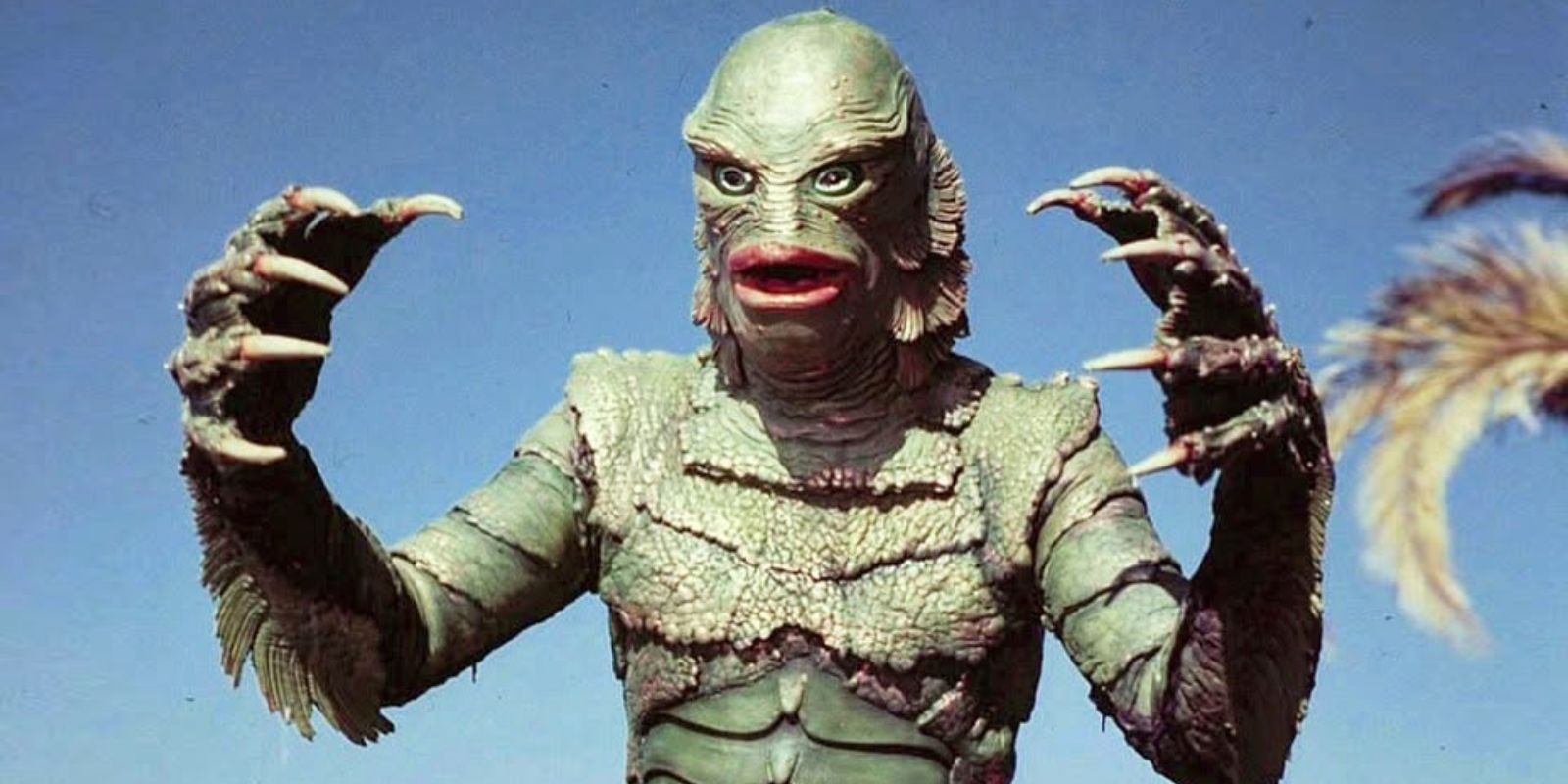
The Creature from the Black Lagoon movies, released in the 1950s, are classic horror films that have left an enduring mark on the genre. Known for their blend of suspense, innovation in special effects, and iconic monster design, these films continue to resonate with audiences today. This article ranks all three films in the franchise, delving into their storylines, main characters, and legacy within the cinematic landscape.
Quick Summary
The trilogy consists of three films released between 1954 and 1956: Creature from the Black Lagoon, Revenge of the Creature, and The Creature Walks Among Us. Each installment presents a unique take on the narrative of a prehistoric creature, set against the backdrop of human intrusion into its aquatic habitat.
Story Setup
The original film, Creature from the Black Lagoon (1954), introduces viewers to an expedition in the Amazon River basin, where scientists encounter the Gill-man, a half-human, half-amphibian creature. The film explores themes of isolation, the clash of civilizations, and the existential fear of the unknown. The Gill-man becomes emblematic of nature’s wrath against human exploitation, raising questions about the ethics of scientific exploration.
Revenge of the Creature (1955) picks up where the first film left off. The Gill-man is captured and brought to a marine park in Florida, where he becomes a subject of scientific study and exploitation. This film shifts focus from the Amazon to a more urban setting, highlighting humanity’s persistent attempts to control and dominate the natural world. This installment also emphasizes the creature's tragic plight, making it a more sympathetic character.
The Creature Walks Among Us (1956) introduces a unique twist, as the creature undergoes a transformation to adapt to life on land. The stakes are raised with themes of identity, survival, and evolution. As the Gill-man grapples with its new existence, human characters reveal their own moral dilemmas, further complicating the narrative.
Main Characters
The films center around a core group of characters, typically consisting of scientists and explorers:
Dr. David Reed (played by Richard Carlson) is often the lead character in the first film, representing the rational human perspective. His interactions with the creature create a contrast between scientific curiosity and ethical responsibility.
Kay Lawrence (Julie Adams), who appears in the original film, serves as both a love interest and a narrative device to highlight the creature's fascination with humanity. Her presence invokes themes of attraction and rejection.
Dr. Mark Williams (John Agar) takes center stage in Revenge of the Creature, drawing attention to the consequences of humanity's thirst for knowledge at the expense of the natural world.
Dr. Thomas Morgan (Jeff Morrow) in The Creature Walks Among Us presents a more conflicted figure as he experiments with the Gill-man’s transformation, examining the moral implications of scientific progress.
Ending or Latest Episode Explained
In the concluding film of the trilogy, The Creature Walks Among Us, the Gill-man ultimately loses its aquatic identity. The creature’s transformation symbolizes a loss of its natural habitat and essence, serving as a poignant commentary on environmental degradation. The conflicting interests of the characters lead to a tragic ending underscoring the futility of trying to confine nature. Also, a key dynamic is the tension between personal ambition and ethical considerations, making for a compelling closure to the saga.
What Could Happen Next
While the original trilogy remains a hallmark of 1950s cinema, the continuing popularity of the franchise opens the door for future adaptations or reimaginings. Modern audiences may welcome a fresh perspective on the Gill-man story in today’s context of ecological awareness, making it an excellent opportunity for filmmakers to explore.
Potential Sequels or Reboots: Hollywood is known for reviving classic monsters, and the Creature from the Black Lagoon might be next in line. Enhanced special effects and storytelling methods could breathe new life into this iconic character.
Crossovers: With the rise of cinematic universes, a crossover with other Universal monster franchises could be intriguing. Imagine the Gill-man versus modern interpretations of Dracula or Frankenstein’s monster. The potential for exciting narratives expands considerably.
Why This Is Trending
The Creature from the Black Lagoon trilogy remains a popular topic not only for its impactful storytelling but also due to ongoing discussions about the environment and conservation. As awareness of ecological issues rises, audiences are drawn to narratives that reflect these concerns, and the Gill-man serves as a powerful symbol of nature’s vulnerability. Furthermore, within the horror genre, vintage films are seeing a resurgence, with new generations wanting to explore the roots of monster cinema. This continues to generate interest and spark debates on how such narratives have evolved over the decades.
Final Thoughts
The Creature from the Black Lagoon movies, while of their time, continue to resonate today due to their poignant themes and relatable characters. Each film presents a unique aspect of human interaction with nature, making the Gill-man a symbol of both fear and empathy. As we look back on these classic films, it’s essential to recognize their impact on the horror genre and appreciate the complex narratives that still hold relevance in contemporary discussions about environmental issues. As we rank these films, we are reminded of their enduring legacy in cinema and society's ever-evolving relationship with the natural world.
IntroductionStory SetupMain CharactersEnding or Latest Episode Explained
EpisodeBreakdown may use automated tools to assist research, drafting, and formatting. Published pages are governed by our editorial and corrections policies, and source links are shown when they are available in the article record.
Discovery source:Collider. The source identifies where the topic was discovered; EpisodeBreakdown is responsible for the commentary published on this page.
Reader response
What did you think?
Be the first to react
Reactions and poll results are based on real reader responses. No account is required.
Continue the story
movies
Box Office Titans: An Analysis of the Top Grossing Films
Explore the dynamics behind the soaring success of the highest-grossing films, revealing trends and standout moments in cinematic history.Read next →