Disney's Maleficent Is Officially a Cult Classic
Disney's Maleficent, featuring the unforgettable performance of Angelina Jolie, has taken a turn from a mainstream blockbuster to a designated cult classic, gaining renewed appreciation over the years. Originally released in 2014, the film presents a fresh twist on the beloved Sleeping Beauty tale from the perspective of its famed antagonist, Maleficent. As the shift in perception unfolds, it’s essential to explore how this enchanting film has secured its place in pop culture.
Quick Summary
Maleficent is a live-action adaptation that gives voice to a character traditionally villainized in fairy tales. This film not only humanizes its dark figure but explores themes of betrayal, love, and redemption. Jolie’s captivating performance brought depth to the character, leading to a legacy that has inspired discussions and celebrations in fan communities.
Story Setup
The narrative of Maleficent unfolds in a mystical kingdom, highlighting the stark contrast between the fairy world and the human realm. Jolie's Maleficent is initially introduced as a powerful fairy with a heart of gold, even as conflict brews with the human kingdom. Her friendship with Stefan, a young boy from the land, develops into a complex relationship marked by betrayal and revenge.
The crux of the story revolves around the act of betrayal that leads Maleficent to curse Stefan’s daughter, Princess Aurora. Unlike the classic tale where the evil fairy is merely a vengeful character, this movie explores her motivations and the circumstances leading to her infamous curse. Aurora's journey to discover her true self, intertwined with Maleficent’s mission to regain her powers and protect her realm, creates a rich tapestry of story elements, making the film much more than a rehash of the original tale.
Main Characters
Maleficent (Angelina Jolie)
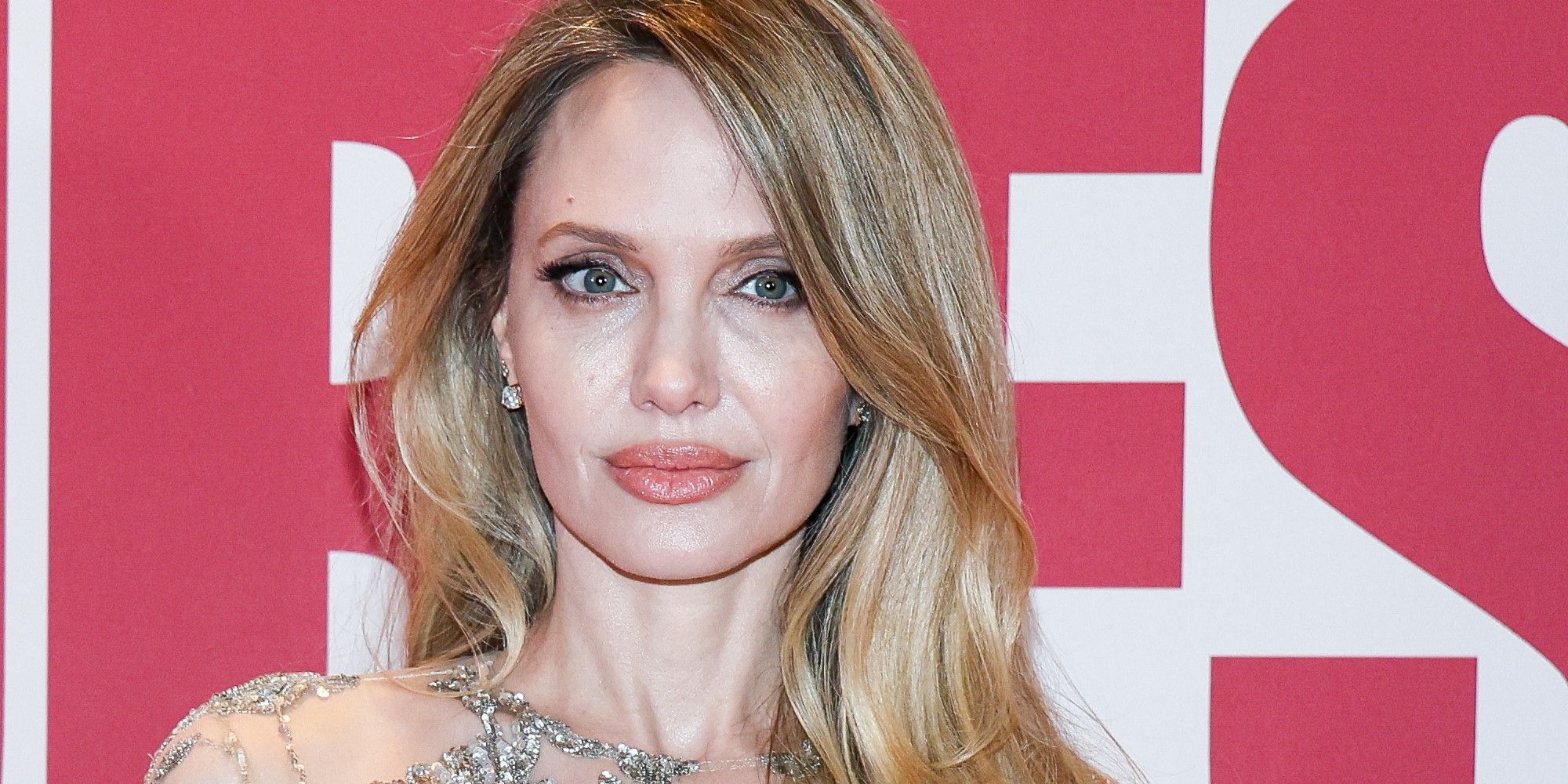
Jolie's portrayal of Maleficent is pivotal to the film's success, bringing both elegance and ferocity to the character. Her performance encapsulates the character's transition from misunderstood figure to a vengeful force, and ultimately, her journey toward redemption.
Princess Aurora (Elle Fanning)
Aurora serves as the innocent centerpiece of the narrative. Fanning embodies the youthful spirit of the character, evoking sympathy and warmth. Her relationship with Maleficent evolves from one of fear to one of understanding, showcasing the themes of forgiveness and love.
Stefan (Sharlto Copley)
Stefan, portrayed by Sharlto Copley, is a vital character whose choices set off the chain of events leading to the curse. His struggles with ambition and love add complexity to the narrative, illustrating the human flaws that can lead to lasting consequences.
The Three Good Fairies (Imelda Staunton, Juno Temple, and Lesley Manville)
These characters add comic relief and lighten the film's darker tones. Their dynamics with Aurora and Maleficent bring humor and heart to the storyline, balancing the heavier themes at play.
Ending or Latest Episode Explained
As the film progresses towards its climactic finale, Maleficent's character arc comes full circle. After confronting her past mistakes and genuinely expressing her affection for Aurora, she ultimately fights to protect her future. The ending serves as a powerful statement on the nature of love and redemption, prompting audiences to reconsider the identities of both heroes and villains.
The narrative concludes with Aurora awakening not only from the enchanted slumber caused by Maleficent’s curse but also from the metaphorical slumber of prejudice against the misunderstood fairy. This rich and layered conclusion cements the film’s thematic depth, showcasing that villains, too, have stories worth telling.
What Could Happen Next
As Maleficent garners cult classic status, discussions about sequels or spin-offs have started to surface. Given Disney's current trend of revisiting successful properties, fans might see a revival of interest in Maleficent's universe. A sequel already exists in the form of Maleficent: Mistress of Evil, but the interest in further exploring the dynamics between Maleficent, Aurora, and the surrounding kingdom could be an appealing direction for future projects. Additionally, there is potential for deeper storytelling around other characters introduced in the original film, such as the other fairies or even Stefan's lineage.
Why This Is Trending
The recent trend acknowledging Maleficent as a cult classic is a testament to evolving perceptions of storytelling within the entertainment industry. Fans are increasingly appreciating narratives that offer more complexity and a nuanced look at characters typically labeled as either heroes or villains. This renewed recognition of Maleficent aligns itself with a broader cultural shift towards understanding character depth and motivations, contributing to ongoing discussions about the nature of good and evil in storytelling.
Moreover, Angelia Jolie’s role has led to numerous analyses, fan theories, and cosplays, inspiring a dedicated community that celebrates the film's unique take on its fairy tale roots. This community engagement is instrumental in solidifying the film's standing as a cult classic, as fans continue to rally behind its themes and characters years after its release.
Final Thoughts
In conclusion, Maleficent has transitioned into a cult classic that captivates audiences not only due to its stunning visuals and compelling performances but also because of its deep exploration of character and morality. Angelina Jolie’s portrayal has cemented Maleficent as an iconic figure in modern cinema. As we witness the evolving appreciation for this movie, it raises important questions about our understanding of narrative frameworks and the characters that inhabit them. Whether revisiting the film or introducing it to new audiences, Maleficent continues to enchant and challenge perceptions well into its future, reaffirming its legacy in Disney’s repertoire and the world of film as a whole.
Movie explanation
About this breakdown
PublishedMay 17, 2026
Last updatedMay 17, 2026
Topics coveredStory SetupMain CharactersMaleficent (Angelina Jolie)Princess Aurora (Elle Fanning)
EpisodeBreakdown may use automated tools to assist research, drafting, and formatting. Published pages are governed by our editorial and corrections policies, and source links are shown when they are available in the article record.
Discovery source: CBR Movies. The source identifies where the topic was discovered; EpisodeBreakdown is responsible for the commentary published on this page.
Weekly editorial digest
Get the next breakdown in your inbox
Choose what you follow and receive one focused email with original anime, movie, TV, ending, timeline, and character coverage.
One email a weekNo spamCancel anytime