Spider Man
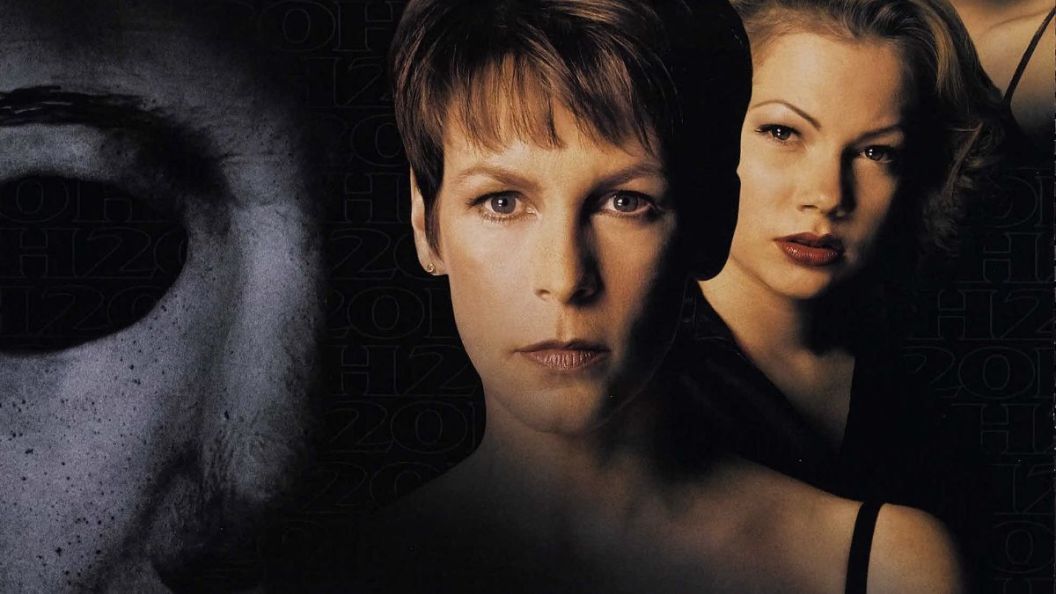
Halloween Franchise: A Cycle of Reboots and Diminished Returns
The Halloween franchise's obsession with reboots has created a cycle of diminishing returns, frustrating fans and complicating its legacy.
A deep dive into ‘Donkey Princess,’ a stunning reimagining of a classic fairytale featuring multilayered storytelling and rich thematic elements.
At its core, ‘Donkey Princess’ prompts a profound inquiry: What does it mean to desire freedom in a world governed by oppressive love? This film, directed by Cristobal León and Joaquín Cociña, serves not only as a reimagining of the French fairytale ‘Donkeyskin’ but also as a bold exploration of identity, choice, and the manipulation of one’s destiny amidst familial obligations. In simple terms, the story reveals the complexity of love and liberation through a princess’s journey across various timelines and realities.
What is intriguing about ‘Donkey Princess’ is how it reflects the seamless transition of León and Cociña from animation to live action. Known for their expertise in animated storytelling, the directors create a hybrid experience that retains their unique visual style. This approach allows for a vivid expression of themes like grief and desire, as the narrative unfolds through an expansive visual palette that evokes memories of renowned animation studios.
This innovation also showcases how animated elements and practical effects blend comfortably within a live-action framework, emphasizing the richness of the story’s emotional depth. The film evolves from charming beginnings into explorations that dig into darker themes, diverging from traditional interpretations associated with fairytales.
Following the narrative's lead character, Princess Diana, the audience witnesses the pivotal turning point: her interactions with a grief-stricken father, played by Francisco Melo. The king’s oppressive love becomes a critical thematic concern, amplified by the backdrop of the princess's mourning for her deceased mother. As Diana struggles against her father’s suffocating affections, her yearning for autonomy drives her to seek escape.
What happens is that rather than a simple retreat, Diana embarks on a more complex adventure where she harnesses magic to expand her understanding of identity. Her choice to press the magical bracelet gifted by her suitor, Lalo, steers her into alternate realities, challenging her perceptions of freedom and love.
As the storyline evolves, the mechanism of time travel becomes more than a plot device; it symbolizes Diana’s ongoing struggle with her identity and societal roles. Each reality she visits introduces different genres and settings while concurrently unraveling her psyche. In some timelines, she is an actress in a donkey costume; in others, she serves as a commoner battling present-day health crises. The visual contrasts reflect her internal battles with obligations versus desires.
The recurring theme of identity playfully establishes the notion that our choices—regardless of time or place—shape who we are. It connects with audiences familiar with character arcs in films like ‘The Beast,’ exploring the ramifications of choices in altering one’s fate.
Despite its whimsical presentation, ‘Donkey Princess’ delves into harrowing imagery that pushes the boundaries of traditional narratives. The directors skillfully incorporate elements of body horror, escalated by practical effects that leave a visceral impact. These moments serve as a stark reminder of the pressure on Diana as she grapples with love's constraining nature.
This shift toward darker narratives breaks the traditional mold of fairytales, prompting viewers to confront the often unseen consequences of oppressive familial ties and societal expectations. The film asks us to reflect on how love, while powerful, can also suffocate: a theme resonating deeply in contemporary contexts.
As ‘Donkey Princess’ approaches its resolution, viewers are met with a profound yet challenging ending that hinges on the characters’ journeys through time and the choices they’ve made. The exploration of these various realities ultimately leads to a montage that unearths layers of emotional turmoil and body horror intertwined with themes of identity.
While the conclusion may feel telegraphed, it embodies the film’s core ethos—the oscillation between love and the inevitable suffering it can incur. This thematic carryover from earlier scenes—where Diana presses the button on her bracelet searching for escape—culminates in a narrative that reflects the precarious balance between desire and obligation.
In light of its exploration of identity, love, and grief, ‘Donkey Princess’ signifies a shift in how fairytales can be reinterpreted for modern audiences. By examining these themes through a blend of genres and narrative styles, León and Cociña not only challenge traditional storytelling but also provide a mirror to contemporary societal challenges related to love and power.
As the film continues to seek U.S. distribution following its premiere at the 2026 Locarno International Film Festival, its potential to inspire future narratives within the genre remains promising. Audiences are left contemplating the implications of love and autonomy, bridging the gap between the magical and the mundane in a kaleidoscopic analysis of the human experience.
In this era of significant social reexamination, ‘Donkey Princess’ rewards viewers who are willing to engage deeply with its challenging yet beautiful fabric, revealing the delicate threads that bind love, desire, and identity.
For those intrigued by character dynamics or the portrayal of societal issues within fairytales, further exploration can be found in our articles like Exploring Sound and Emotion in Beatrice Gibson's 'At Night' and Why Roderick Dustin From House Of The Dragon Looks So Familiar.
Movie explanation
EpisodeBreakdown may use automated tools to assist research, drafting, and formatting. Published pages are governed by our editorial and corrections policies, and source links are shown when they are available in the article record.
Discovery source: IndieWire. The source identifies where the topic was discovered; EpisodeBreakdown is responsible for the commentary published on this page.
Reader response
Reactions and poll results are based on real reader responses. No account is required.
Explore the dynamics behind the soaring success of the highest-grossing films, revealing trends and standout moments in cinematic history.