Spider Man
The Intrigue Behind Dutch’s Iconic Predator Line
Analyzing the genius of Dutch's famous line in Predator, exploring its significance, themes, and the impact on sci-fi cinema.
Analyzing the genius of Dutch's famous line in Predator, exploring its significance, themes, and the impact on sci-fi cinema.
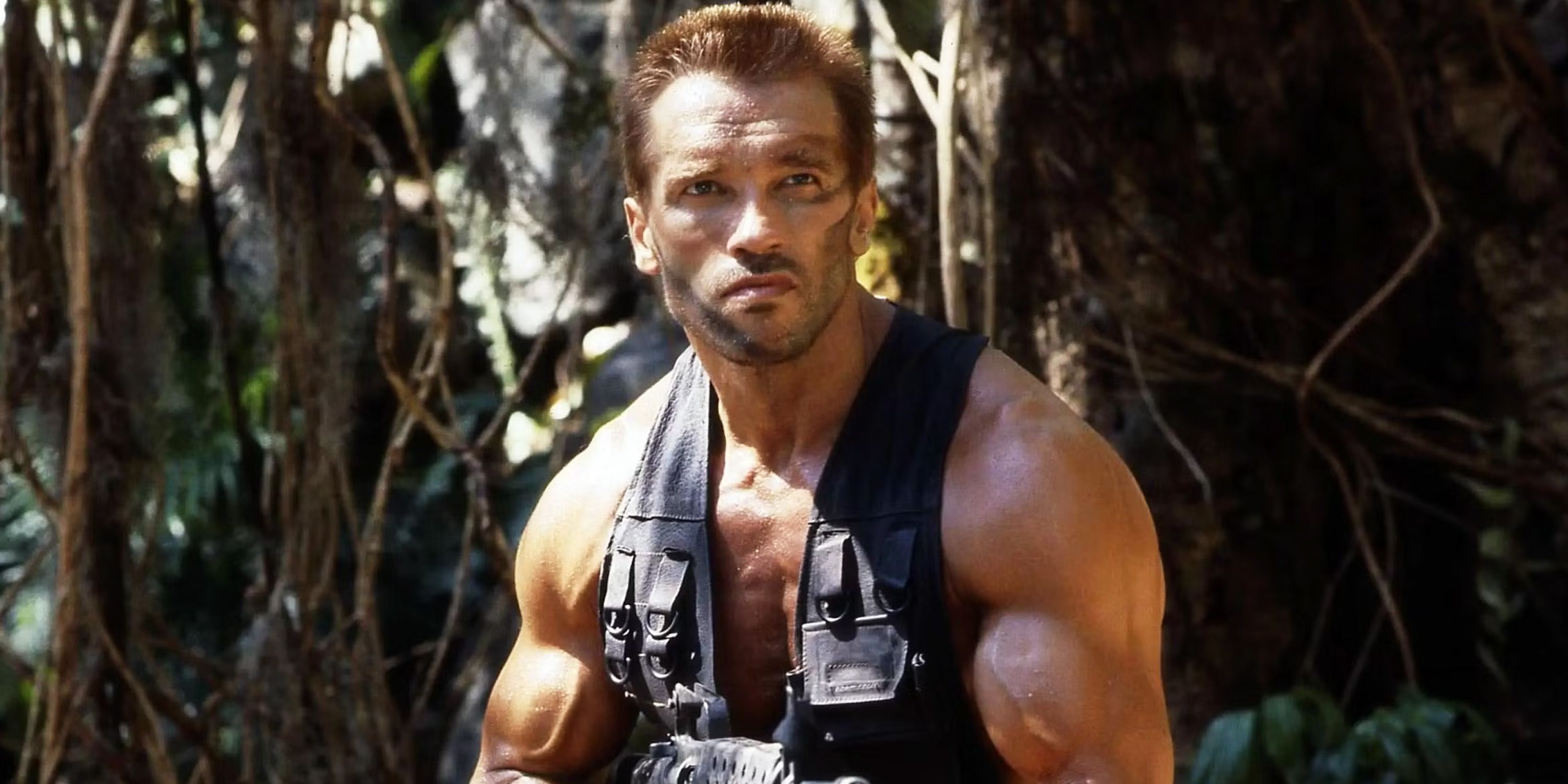
In simple terms, the central question posed by "Predator" revolves around the nature of fear and humanity’s ability to confront the unknown. The movie ultimately answers this inquiry through the lens of Arnold Schwarzenegger's character, Dutch Schaefer, who delivers an iconic line: "If it bleeds, we can kill it.” This quote encapsulates a turning point in both the plot and the thematic structure, highlighting the blend of action and science fiction that defines the film.
Initially, Dutch and his team enter the jungle with bravado, tasked with rescuing hostages from guerrilla fighters. However, their mission quickly morphs into a fight for survival against a predator far beyond anything they anticipate. This shift in narrative—from action to horror—is crucial in understanding the film's tone. The immediate discovery of the previous team's grisly fate marks a drastic turning point; it dismantles the soldiers' discounting of the supernatural and replaces their bravado with palpable fear.
The moment Dutch locates the luminescent blood on the leaves and delivers his fateful line is significant. It redefines their adversary. No longer are they battling an invisible creature steeped in folklore; they are now engaged in a tangible conflict with an extraterrestrial being capable of injury. This revelation empowers the team with a renewed sense of agency. The line expresses not just a tactical observation but a spiritual awakening. It serves as a reminder that acknowledgment of vulnerability can pave the way for action and victory.
Dutch's assertion is tied intricately to the themes of survival and masculinity prevalent throughout the film. The soldiers, portrayed as hyper-masculine figures, find themselves in a life-and-death scenario where traditional weapons and tactics falter against a more advanced creature. The challenge for them becomes not just overcoming a physical threat but navigating the psychological warfare imposed by the Predator.
As the narrative progresses, the film emphasizes that true strength often lies in adaptability rather than brute force. The turning point marked by Dutch's line effectively signals a shift from reliance on firepower to engineering cunning traps and strategies to level the playing field against the Predator. The essence of masculinity in this context is redefined from merely physical prowess to intellectual resilience and teamwork.
“What happens next” is crucial for dissecting the impact of Dutch's quote. Following his declaration, the soldiers undergo a transformation—becoming proactive rather than reactive. The quote resonates not only within the narrative but also within broader science fiction themes. By contrasting fantasy and science fiction, the line states that the realm of the conceivable is bounded by the laws of nature: if a being bleeds, it can die. This simplicity and elegance have made the quote unforgettable.
As viewers, we are drawn into the fray alongside Dutch and his crew; their terror becomes our own. The phrase is as much a call to action as it is a promise that the story will not shy away from the impending violence. The machismo embedded in the line reflects a broader cultural fascination with confrontation and survival echoed in other iconic action films from this era.
The cultural fallout from the line has contributed to its status as one of the most memorable quotes in the sci-fi genre. It transcends the film itself, becoming a mantra for those who face seemingly insurmountable odds. To many, "If it bleeds, we can kill it" signifies a deep metaphor for empowerment through knowledge and confrontation of one’s fears.
This concept of confronting fear echoes through many subsequent science fiction films, marking "Predator" as a pivotal influence in merging the genre's action and horror elements. Films like "War Machine" and the ongoing "Predator" franchise continue to draw upon the themes established in the original, illustrating its enduring relevance. The intensity and raw emotion captured when Dutch delivers the line reflect a masterclass in filmmaking, and the impact can still be felt decades later.
The line from Dutch Schaefer in "Predator" is undoubtedly a landmark moment in cinema, representing more than mere bravado; it encapsulates the essence of survival against adversity. It reflects a mental shift from fear to empowerment, exemplifying how facing the unknown can rewrite narratives in both personal and collective contexts. In movies and beyond, this line continues to serve as a reminder that acknowledging vulnerability is often the first step in overcoming challenges. The film's ability to weave such profound themes into a visceral action plot is why "Predator" endures as a classic and continues to inspire future works in the genre.
The conversation surrounding this film remains lively, with fans discussing various aspects that continue to resonate even today. If you enjoyed this analysis, explore more about the implications of action and horror in film with Exploring the Best Movie Performances of 2026 So Far and Exploring the Bloodiest and Most Disturbing Kills in 'God of War' History.
Movie explanation
EpisodeBreakdown may use automated tools to assist research, drafting, and formatting. Published pages are governed by our editorial and corrections policies, and source links are shown when they are available in the article record.
Discovery source: CBR Movies. The source identifies where the topic was discovered; EpisodeBreakdown is responsible for the commentary published on this page.
Reader response
Reactions and poll results are based on real reader responses. No account is required.
Explore the dynamics behind the soaring success of the highest-grossing films, revealing trends and standout moments in cinematic history.