Spider Man
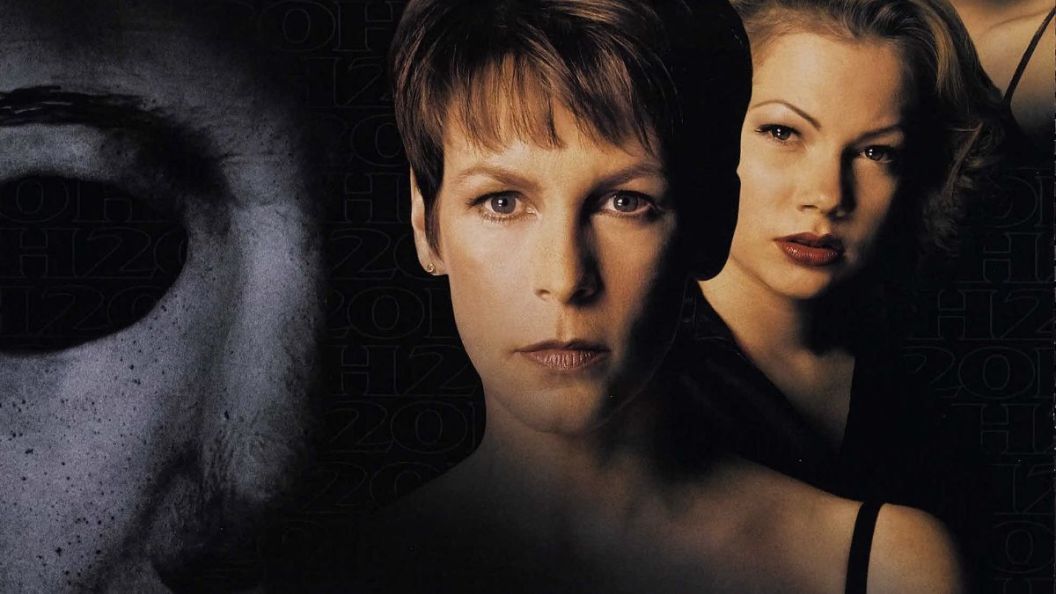
Halloween Franchise: A Cycle of Reboots and Diminished Returns
The Halloween franchise's obsession with reboots has created a cycle of diminishing returns, frustrating fans and complicating its legacy.
Explore the impactful narratives of American history through cinema with titles like 'Lincoln,' 'Selma,' and 'Jackie.' Discover their stories and significance in this comprehensive breakdown.
Understanding the complex tapestry of American history is essential for both cultural literacy and personal growth. Fortunately, cinema has offered a powerful medium to narrate this history, allowing audiences to engage with pivotal moments and figures like never before. In this article, we delve into essential American history movies, featuring notable titles such as Lincoln, Selma, and Jackie, and explore their relevance, stories, and characters.
From the civil rights movement to historical presidential figures, these films draw on real events to enrich our understanding of America’s past. They allow viewers to experience the struggles and triumphs of those who shaped the nation, providing both educational insights and emotional narratives that resonate with today's societal issues.
Lincoln is a poignant portrayal of President Abraham Lincoln's final months in office, focusing particularly on his efforts to pass the 13th Amendment, which abolished slavery. Directed by Steven Spielberg and featuring a remarkable performance by Daniel Day-Lewis, this film intricately examines the moral and political challenges Lincoln faced during the Civil War. The narrative is rooted in historical accuracy, showcasing both the man behind the presidency and the turbulent societal landscape of the time.
Selma, directed by Ava DuVernay, seeks to tell the story of the 1965 Selma to Montgomery marches led by Martin Luther King Jr. It captures the essence of the civil rights movement and the relentless fight for voting rights. By following King and his fellow activists, the film delivers a raw, visceral experience of the struggles for equality, shedding light on the systemic injustices African Americans faced.
Jackie explores the life of Jacqueline Kennedy Onassis in the aftermath of President John F. Kennedy’s assassination. This narrative not only highlights her public persona but also the private turmoil she experiences as she navigates her grief and the media frenzy. Natalie Portman’s performance brings depth to this historical figure, showing the intersection of personal struggle and national crisis.
These films give us a rich array of characters who played pivotal roles in their time:
Alongside these central figures are supporting characters who help enrich the narratives, such as Lincoln's political advisors and fellow marchers in Selma, all adding layers to these historical moments.
The conclusions of these films impart significant lessons on legacy and change. Lincoln culminates in the eventual passing of the 13th Amendment, echoing the notion that great struggles can lead to monumental social change—even amidst personal sacrifice. Selma concludes during the culmination of the marches, marking a decisive moment in the civil rights movement, suggesting the ongoing journey toward full equality. Jackie, on the other hand, leaves viewers with a sense of ongoing complexity in dealing with loss and redefining one’s identity amidst public scrutiny.
Considering the impact of these films on popular culture and historical knowledge, it’s likely that more filmmakers will tackle essential chapters of American history. We may see adaptations focused on lesser-known figures or pivotal events that continue to shape societal discussions, such as the ongoing debates surrounding race relations, civil rights, and the political landscape.
New works could aim to fill in gaps left by prior narratives, offering fresh perspectives on iconic events or unveiling stories of marginalized voices throughout history. As America navigates its current cultural climate, films that explore themes of justice, inequality, and leadership will remain crucial for understanding the ongoing evolution of the nation.
The ongoing societal dialogues surrounding race, justice, and equality have renewed interest in films depicting American history. Events such as the civil rights movement have a deep resonance today, prompting many to seek out cinematic interpretations of these pivotal moments to gain perspective on current issues. Additionally, the power of cinema to incentivize discussions around historical accuracy and representation has contributed to this trend, positioning these films as relevant and necessary.
The evolution of cinema as a medium for conveying complex historical narratives has empowered audiences to engage with their heritage in meaningful ways. Movies like Lincoln, Selma, and Jackie not only entertain but also educate and provoke thought about America’s past and present. As we reflect on these stories, we are reminded of our collective history's richness and the ongoing journey towards a more equitable society. Whether you’re a history buff or a casual viewer, these essential American history movies undoubtedly provide valuable insights into the past while challenging us to consider the future. Stay tuned for more analyses and breakdowns here at EpisodeBreakdown as we continue to explore the intersection of cinema and societal narratives.
Movie explanation
EpisodeBreakdown may use automated tools to assist research, drafting, and formatting. Published pages are governed by our editorial and corrections policies, and source links are shown when they are available in the article record.
Discovery source: Rotten Tomatoes News. The source identifies where the topic was discovered; EpisodeBreakdown is responsible for the commentary published on this page.
Reader response
Reactions and poll results are based on real reader responses. No account is required.
Explore the dynamics behind the soaring success of the highest-grossing films, revealing trends and standout moments in cinematic history.