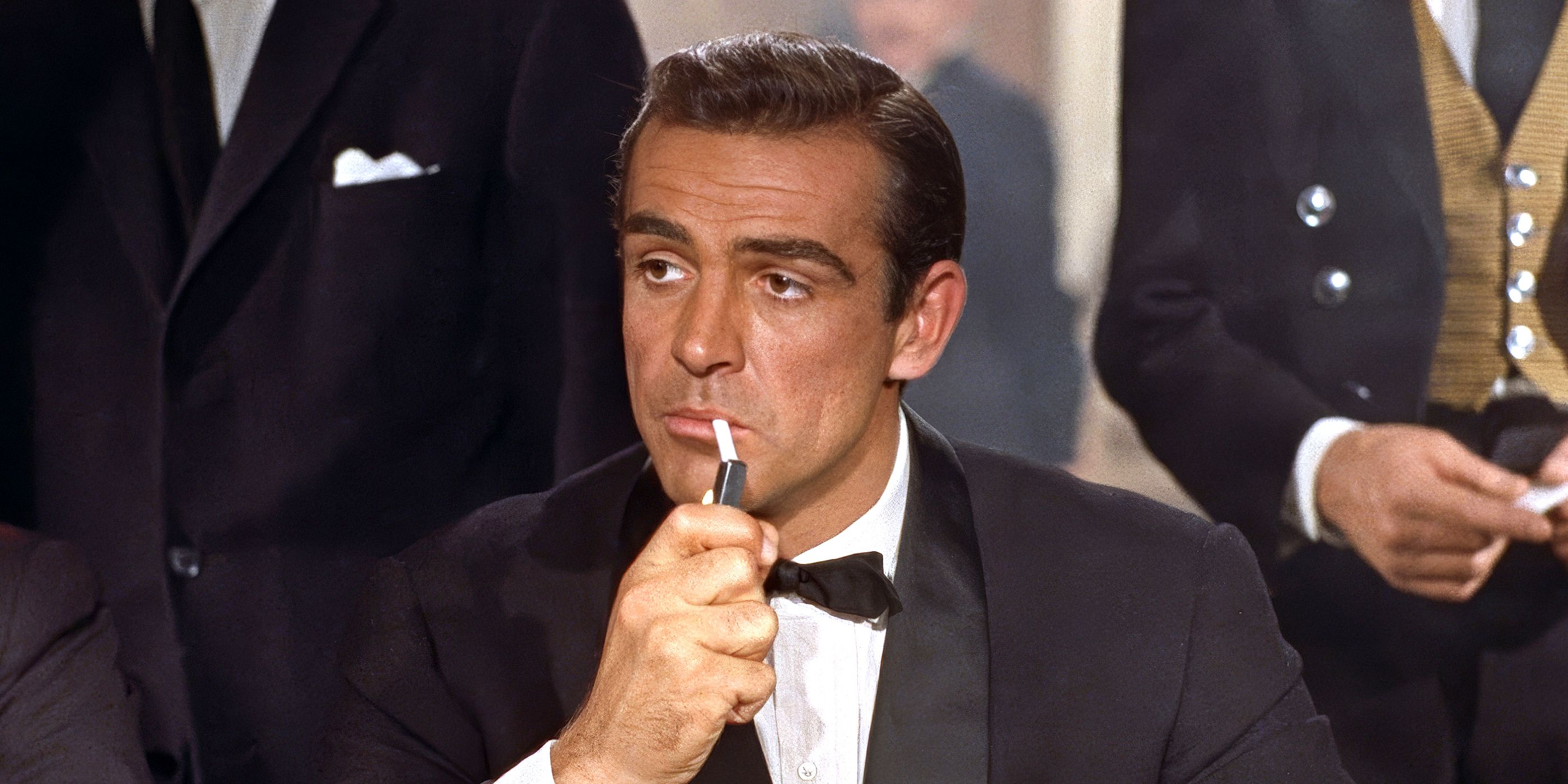
Exploring the Best Spy Movies of the 1960s
A deep dive into the finest spy films of the 1960s, showcasing themes, character choices, and cinematic innovations.
Dive into the motivations and arcs of characters aware of Emperor Palpatine's true identity as a Sith Lord in the Star Wars saga.

Explore the franchise
In simple terms, the characters who know Emperor Palpatine's true identity as a Sith Lord are pivotal in the Star Wars narrative. Each is intricately tied into the complex web of deception that allows Palpatine to rise to power and ultimately orchestrate the fall of the Jedi Order. These characters either serve as allies to Palpatine, apprentices, or are significant figures who become crucial adversaries in his plans.
Understanding why these characters matter hinges on their motivations and interactions with Palpatine. They exemplify a range of responses to his dark manipulations, contributing to the larger thematic elements of power, corruption, and redemption that permeate the saga.
Darth Maul, initially introduced in Star Wars: Episode I - The Phantom Menace, is a prime example of a character further shaped by his knowledge of Sith identity. As Palpatine's first apprentice, his early motivations stem from rage and a quest for revenge following his defeat by Obi-Wan Kenobi. This arc not only demonstrates how Sidious manipulates power dynamics but also highlights the personal vendettas that drive Maul onward.
Another character with a compelling arc is Count Dooku, or Darth Tyranus, who starts as a Jedi Master. Dooku's discontent with the Jedi Order leads him to ally with Sidious, reflecting a transition influenced by his belief that the end justifies the means. His conflicts with both the Jedi and the Sith showcase a layered motivation driven by ideological disillusionment rather than mere ambition, making his eventual defeat poignant and significant.
Anakin Skywalker’s transformation into Darth Vader is perhaps the most pivotal character arc in the Star Wars saga. Initially a hopeful Jedi, Anakin succumbs to fear and manipulation from Palpatine, who exploits Anakin's vulnerabilities. His internal struggle and ultimate redemption come full circle when he realizes his true lineage and connection to the Force. This journey underscores the overarching themes of choice and consequence within the franchise.
Mas Amedda, as Palpatine’s closest advisor, exemplifies the archetype of the quiet enabler. His knowledge of Palpatine’s secret identity allows for the execution of policies that cement the Sith’s power, suggesting that complicity in evil can stem from personal ambition. Amedda’s character trajectory reveals the dangers of being a mere follower, eventually leading to his downfall once the Empire is dismantled.
Sly Moore and the Emperor’s Royal Guard represent how knowledge of Sidious’s identity can also lead to a role in reinforcing his power. Moore’s abilities in mind manipulation illustrate the themes of control prevalent in Sidious's reign. The Royal Guard's loyalty underscores the blind allegiance found within the Empire—where the security of knowledge comes at the cost of moral integrity.
Both Chanath Cha and Qi’ra take their knowledge of Sidious's identity and transform it into a rebellion against the oppressive powers of the Sith. Each forms factions—the Orphans and the Crimson Dawn, respectively—that challenge the Empire. Their arcs introduce narratives of resistance, highlighting not just the villainy of Sidious but also the importance of opposition, which fuels hope within the saga.
Obi-Wan Kenobi and Yoda, as wise leaders of the Jedi, transition from the guardians of peace to witnesses of their own failure. Their awareness of Palpatine’s true nature anchors their resolve to train the next generation, particularly Luke Skywalker. Through their characters, the saga explores themes of legacy, learning from past mistakes, and the harsh reality of unpreparedness in the face of cunning evil.
The characters who understand Palpatine's identity not only enrich the story but emphasize the narrative's core themes of power, betrayal, and redemption. Their arcs illustrate varied responses to Sidious's manipulation, ultimately shedding light on the light and dark within all individuals. Their journeys are complex tapestries woven into the larger legacy of Star Wars, revealing both the vulnerabilities and strengths inherent in the fight against tyranny. Through their experiences, viewers are reminded of the importance of choice and the impact of knowledge, especially when wielded as a tool for good or evil.
Engaging with these character arcs offers a deeper understanding of the emotional and thematic weight within the Star Wars saga. To further explore the implications of these relationships, fans can also view related stories like The Story Behind Blue Snaggletooth: A Star Wars Collecting Legend and Key Character Guide to Spider-Man: Brand New Day.
Additionally, discovering the nuances of characters like Obi-Wan, who navigates complex relationships while dealing with loss from Sidious's schemes, can enhance the overall viewing experience.
The intricate connections among these characters illustrate the profound nature of narrative interplay in the Star Wars universe, solidifying their importance in revealing profound lessons in morality and power dynamics.
Character guide
EpisodeBreakdown may use automated tools to assist research, drafting, and formatting. Published pages are governed by our editorial and corrections policies, and source links are shown when they are available in the article record.
Discovery source: ComicBook.com. The source identifies where the topic was discovered; EpisodeBreakdown is responsible for the commentary published on this page.
Reader response
Reactions and poll results are based on real reader responses. No account is required.