Analyzing Catherine's Duality in Hulu's Furious
Explore Catherine's complex portrayal in Hulu's Furious and examine themes of victimhood and vigilante justice.
Delve into the profound themes and artistry of 'Hannibal', a psychological horror series that transcends conventional storytelling.
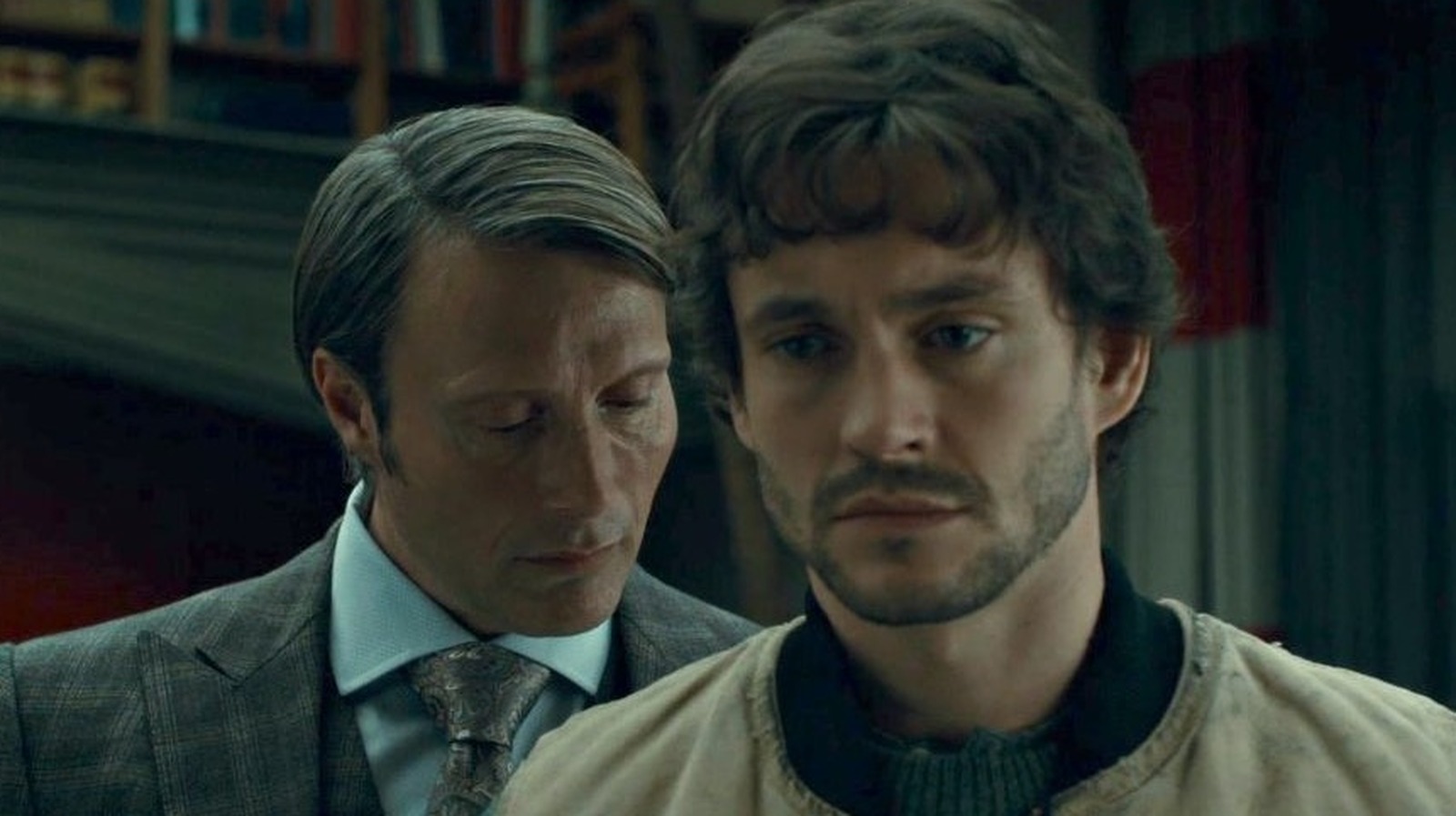
In simple terms, the central question driving Bryan Fuller’s acclaimed series "Hannibal" is: How does the exploration of darkness within humanity manifest in relationships? Through the intricate dynamic between Dr. Hannibal Lecter and Will Graham, the series unveils the fragility of the human psyche while posing critical reflections on morality and empathy. Ultimately, the show suggests that understanding one's darkest impulses is not only a chilling pursuit but also a deeply transformative one.
What happened is that "Hannibal" emerged during a time when television was evolving, becoming bolder and more artistically ambitious. The series takes its place among other notable works from the so-called Golden Age of TV, despite its airwave home on NBC, typically reserved for lighter fare. This juxtaposition elevates the show to a realm where horror meets high art, making it a crucial consideration for any serious horror aficionado.
The narrative structure of "Hannibal" undergoes a significant transformation throughout its three seasons. The series begins with a more episodic format, where Will Graham (Hugh Dancy) and Dr. Lecter (Mads Mikkelsen) collaborate on cases, catching serial killers. Early episodes, while gripping, are layered with foreshadowing and artistry that point to deeper emotional and psychological landscapes.
As Will's relationship with Hannibal progresses, the show's tone shifts from crime procedural to gothic horror, mirroring Will’s mental unraveling as he increasingly encounters the darkness within himself and others. This gradual transition is essential, as it captivates the viewer's attention not just through the thrill of the chase but through the protagonist's crumbling reality.
A salient example occurs when Will starts to suspect Hannibal, culminating in moments of sheer tension and dread. The series artfully balances the thrill of horror with thought-provoking questions regarding identity and morality. This blurring of lines between predator and prey is central to its exploration of psychological horror, and it’s perhaps one of the most significant turning points for Will’s character.
Food plays a pivotal role in "Hannibal", serving as a vital symbolic element that enhances its psychological horror. Hannibal’s culinary prowess and the elaborate meals he prepares become a metaphor for the consumption of human life, embodying the show's exploration of aesthetics in horror. Mads Mikkelsen portrays Lecter as an artist; his dishes are beautiful but grotesque, thus evoking a visceral reaction from the viewer.
Each meal he crafts starts as a piece of art but quickly morphs into something unsettling, reflecting the layers of deception present in his character. As he brings Will a homemade breakfast in the pilot episode, it establishes the initial bond between them and sets the tone for their complex relationship. The phrase “see how the sausage is made” resonates on multiple levels throughout the series, conveying that sometimes ignorance might be bliss but knowledge can be a double-edged sword.
From the very beginning, "Hannibal" is rich with clues hinting at the profound psychological implications of its plot. The opening scenes create a striking juxtaposition between the serene kitchen aesthetics and the brutal killings that occur. Such imagery builds suspense, as viewers are left to contend with the notion that behind a charismatic facade lies an unimaginable horror.
Particular attention should be paid to the artistic depictions of violence throughout the series. Killers in "Hannibal" not only take lives but do so in a manner that lends a grotesque beauty to their methods, hinting at the warped relationship between creator and destroyer. Characters pose their victims as artworks—one killer fashions his victims into two-winged angelic figures, which elicits a haunting question about the line between art and destruction. This tension underscores how far removed the characters are from any typical moral compass, laying bare the psychological intricacies that define each character’s motivations.
The series concluded in 2015, leaving a dedicated fanbase with mixed feelings. While the third season’s finale creates an artful culmination of arcs and serves as a strong thematic closure, it is hard for viewers to ignore the tantalizing possibility of further tales within this darkly intricate world. Fans still yearn for a continuation, where Will and Hannibal’s relationship could further explore the deeply interwoven themes of duality and madness.
Hannibal’s fate is left somewhat ambiguous at the end. Are the two characters inherently connected, bound in a cycle of mutual destruction? The climactic finale leaves these questions tantalizingly unresolved, echoing earlier episodes' themes of darkness and connection.
In summary, "Hannibal" stands as a compelling statement in the realm of psychological horror, skillfully blending character study with unsettling aesthetics and layered storytelling. The relationship between Hannibal and Will serves as a haunting reminder of how close empathy and danger can reside. With its series now available for streaming on Netflix, it presents an excellent opportunity for those who have yet to explore its intricate world, possibly bringing the conversation surrounding a fourth season back to life. Its curiosity about morality and the human condition continues to resonate, proving that horror can indeed push boundaries, revealing the depths of the human soul. In the end, the viewer is left contemplating the nature of evil and the thin line that separates predator from prey.
For related explorations of horror and intricate character motivations, consider diving into Exploring the Horror of 'Obsession': Themes and Impact or Gothic Horror Mystery of 'RUNT'.
Movie explanation
EpisodeBreakdown may use automated tools to assist research, drafting, and formatting. Published pages are governed by our editorial and corrections policies, and source links are shown when they are available in the article record.
Discovery source: Slashfilm. The source identifies where the topic was discovered; EpisodeBreakdown is responsible for the commentary published on this page.
Reader response
Reactions and poll results are based on real reader responses. No account is required.