Exploring Godzilla Minus Zero: Themes, Characters, and Plot Insights
Godzilla Minus Zero, releasing in 2026, takes audiences deeper into its thematic exploration of recovery and resilience after devastation.
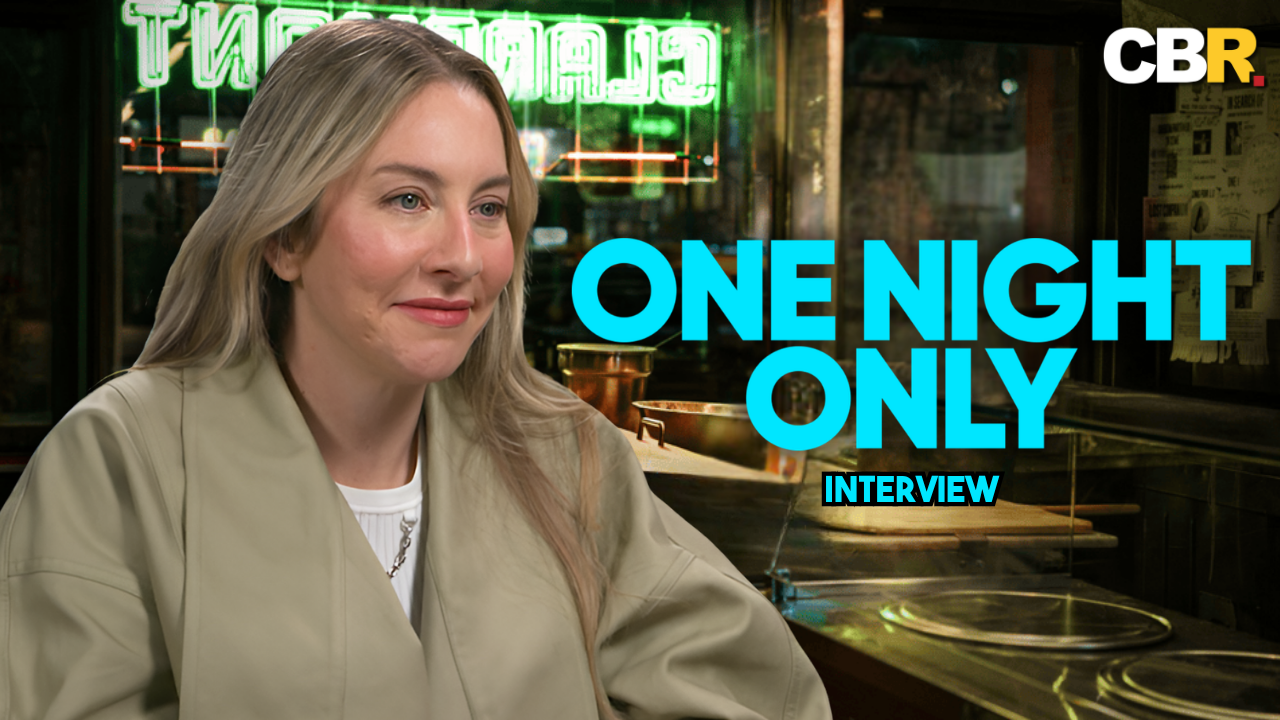
One Night Only is a sharp, unexpected romantic comedy that balances absurdity with genuine emotion. Here's an in-depth analysis of its themes, characters, and world.

In simple terms, One Night Only asks what it truly means to find love in a constrained and bizarre societal framework. The film posits that even in the most absurd situations—where premarital sex is only legal for one night a year—human connection remains vital and transformative.
What happens is rooted in a dystopian version of New York City where a newly enacted law restricts premarital intimacy to a designated "sex night." The narrative follows Allie (Monica Barbaro) and Owen (Callum Turner), two singles who, on the eve of this one legal night, grapple with the pressure of societal expectations while searching for partners. After unfortunate misadventures with their respective exes, they team up for this chaotic countdown to intimacy.
The film balances humor with poignant moments, such as Owen's ill-fated omakase dinner proposal and Allie's uncanny encounters, deftly showcasing a vibrant, although twisted, character landscape. As they navigate New York's quirky nightlife, absurdity reigns supreme, echoing classic rom-com tropes interwoven with contemporary satire.
As Allie and Owen run through the city, their personalities quickly come into focus. Allie's singing career is marred by stage fright, forcing her to perform less-than-stellar pop covers. This element adds layers of vulnerability, presenting her not just as a desperate singleton but as someone struggling with her aspirations. Owen, on the other hand, embodies male bravado interlaced with insecurity. His encounters highlight societal pressures men face regarding romantic conquests. This duality underscores the film's theme of vulnerability beneath bravado in the quest for connection.
While the premise seems outrageous, its darker implications are rendered palatable through comedic elements. The film features a host of clever jokes, absurd situations, and an impressive array of cameos, further lightening its weighty themes. Stunt casting—like LeVar Burton and Molly Ringwald—adds comedic flair while reflecting on each character's societal role in a flipped narrative.
Gluck's ability to find humor within a constrained setup is commendable, making the audience laugh while reflecting on the underlying absurdity of societal norms. Every odd turn—such as meeting characters like a criminal and taking an adventurous dive into a sewer—contributes to this ongoing juxtaposition of realism and exaggeration.
Allie and Owen's decision to form a partnership to circumvent the night’s challenges speaks to their desperation. The unexpected twists—Owen’s barfing on Allie, and the cheeky condom conflict—bring levity to their evolving relationship. Importantly, their decisions reveal character growth. Initially, both are portrayed as unfulfilled individuals, yet as they navigate comical hurdles together, they evolve into genuine partners.
The relationships they form or fail to form with other characters offer insight into contemporary romance's pitfalls. Owen's mother, played by Molly Ringwald, provides perspective, highlighting generational differences regarding love and intimacy in this imposed dystopia.
Without giving away extensive details, what follows is an unexpectedly heartwarming conclusion that ties back to the film's core themes of connection and understanding. After a night of chaos, Allie and Owen overcome their external challenges and internal struggles, culminating in a realization of the depth of their connection. The final moments leave the audience with a sense of hope, suggesting that despite constraining regulations and societal absurdities, love finds a way.
The world-building of Gluck’s New York can be viewed as both a cautionary tale and a comedic exploration of current affairs—a dystopian backdrop that ironically emphasizes real-world struggles for connection.
The success of One Night Only lies in its ability to extract humor from a grim premise while presenting a meaningful exploration of love's complexities. This romantic comedy defies expectations, demonstrating that creativity knows no bounds even in absurd narrative setups. Through sharp writing, relatable themes, and quirky characters, it offers a delightful viewing experience that invites audiences to appreciate the joy of connection, however unconventional it may seem. For those interested in similar explorations of love in chaotic settings, consider checking out Navigating Love in a Dystopian Romance for deeper insights into how love prevails even in challenging circumstances.
Movie explanation
EpisodeBreakdown may use automated tools to assist research, drafting, and formatting. Published pages are governed by our editorial and corrections policies, and source links are shown when they are available in the article record.
Discovery source: Slashfilm. The source identifies where the topic was discovered; EpisodeBreakdown is responsible for the commentary published on this page.
Reader response
Reactions and poll results are based on real reader responses. No account is required.