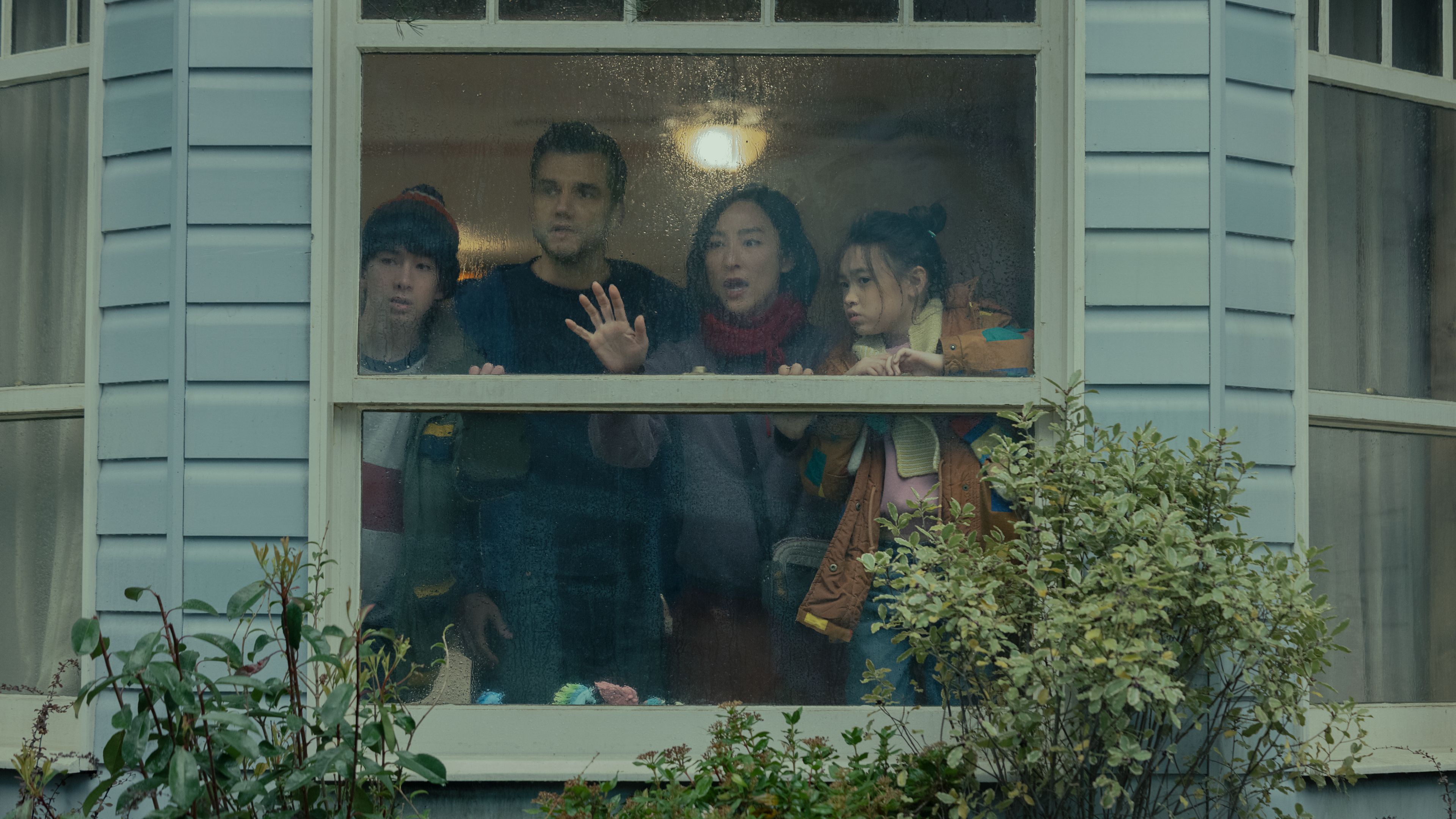
The Last House 2 Chances At Netflix Addressed By Wagner Moura After Shocking Ending
Wagner Moura, the lead in Netflix's *The Last House*, discusses the potential for a sequel after the film's surprising ending.
Discover the intricate themes and suspenseful elements of Stephen King's 'Cujo', a chilling tale of survival and fear.
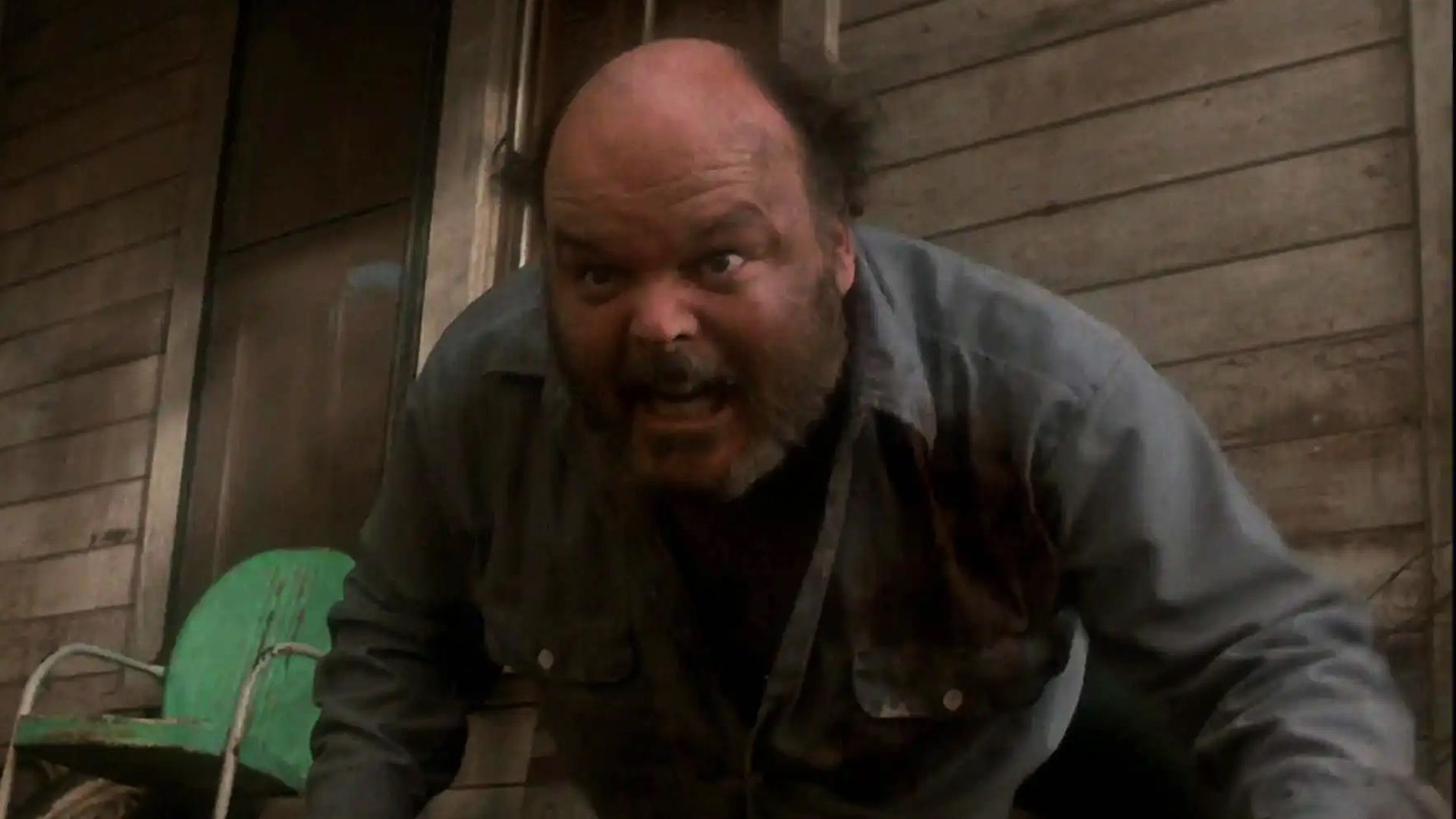
In simple terms, Stephen King's Cujo confronts deep fears of isolation and helplessness through its straightforward yet terrifying premise. The story revolves around a mother and her son, trapped in a broken-down car while being hunted by a rabid St. Bernard. What elevates the narrative is not just its premise but the intense human drama that unfolds amidst the chaos of fear and survival.
The central question posed by Cujo revolves around the fragility of life when faced with unforeseen calamities: Can a parent protect their child in an uncontrollable situation? The answer, layered in tension and dread, reveals the struggles of both the characters and the viewer, compelling them to grapple with their own fears of vulnerability.
Initially presented as a friendly family pet, Cujo's transformation occurs when he is bitten by a bat, introducing rabies into the narrative. This twist not only serves as the catalyst for the ensuing horror but also echoes a broader theme about unpredictability in life. The friendly facade of Cujo represents normalcy, while the rabies symbolizes the chaotic elements lurking just beneath the surface. This tension drives the story forward, immersing the audience in a palpable sense of dread as the mother, played by Dee Wallace, and her son attempt to survive.
What remains confirmed is Cujo's change into a violent and unpredictable creature. The rabies not only alters Cujo’s behavior but also reflects how rapidly life can change, transforming the mundane into something deadly. This metamorphosis is a potent reminder of how quickly circumstances can spiral out of control, deeply resonating with viewers who have encountered their own life-altering moments.
One of the film’s key strengths lies in its extended depiction of isolation. The characters are confined within a car, facing a relentless threat outside. This limitation intensifies their plight, as the film cleverly uses the confined space to explore feelings of panic and despair. The psychological toll on the audience mirrors that of the characters as they grapple with the claustrophobic reality of their situation. Unlike typical horror films where escape might be a possibility, Cujo roots its drama in the reality of being utterly trapped.
The dynamic between the mother and son, along with their evolving behavior under pressure, adds layers to their characters. The mother’s fierce instincts to protect her child become increasingly displayed as the film progresses. This transformation elevates her from a mere victim to a fierce protector, further contributing to the nail-biting tension throughout the film.
Fear in Cujo extends beyond the immediate threat posed by the dog; it encapsulates the broader vulnerabilities in human existence. The film raises profound questions about parental responsibility, resilience, and the fight for survival against overwhelming odds. Viewers often find themselves questioning their own capacities in terrifying situations, drawing parallels between their lives and those of the characters.
Confirmed themes of fear manifest not just through the dog but in the circumstances leading up to the car breakdown, which foreshadow potential disaster. The characters’ personal struggles reflect a reality where external threats often mirror internal fears—making every moment of suspense a dual exploration of both their immediate danger and their deeper, emotional turmoil.
Even after decades since its release, Cujo has left a lasting cultural impact, especially concerning St. Bernards. While the film portrays a single violent dog, the fallout has been a broader societal wariness towards the breed. This reveals how media representations can shape public perception, influencing behavior and reactions even against a backdrop of years of safety and familiarity with certain animals.
The negative association created by the film has led to enduring misconceptions, further illustrating how fear can be propagated through storytelling. Despite its horror narrative, Cujo provides a critique of human tendencies to generalize fear based on singular experiences.
The film's climax is a harrowing testament to the lengths a parent will go to protect their child. As the mother and son face their final confrontation with Cujo, themes of desperation culminate in an emotional climax that has audiences on the edge of their seats. The tension is not merely about escaping a rabid dog; it becomes a poignant exploration of courage in the face of fear.
The ending, while not unified in a typical “happy ever after” closure, reflects the harsh realities of survival. It resonates because it delivers an unsettling truth: life is unpredictable, and the horrors one may face are often more than physical threats—they are emotional and psychological struggles that scar deep.
With the recent announcement of a limited-edition 4K Ultra HD Blu-ray release, audiences have the chance to revisit this cinematic classic with enhanced visuals and behind-the-scenes features. Moreover, continued interest in Cujo suggests that new reinterpretations, such as the rumored adaptation by Darren Aronofsky, could breathe new life into this timeless story. As the original film is explored and celebrated once more, viewers will likely continue to engage critically with the themes of fear, survival, and the unpredictability of life.
The layered complexities within Cujo transcend time, tapping into primal fears that resonate profoundly. As audiences prepare for its new release, they are reminded not only of the terrors depicted but also of the universal themes that continue to echo through the annals of storytelling.
What this means is that Cujo remains a significant part of both horror and literary history, a testament to King’s ability to unravel the complexities of human nature through the lens of horror. The upcoming release opens a dialogue about fear—what it represents, how it shapes perceptions, and how we confront it.
Movie explanation
EpisodeBreakdown may use automated tools to assist research, drafting, and formatting. Published pages are governed by our editorial and corrections policies, and source links are shown when they are available in the article record.
Discovery source: MovieWeb. The source identifies where the topic was discovered; EpisodeBreakdown is responsible for the commentary published on this page.
Reader response
Reactions and poll results are based on real reader responses. No account is required.