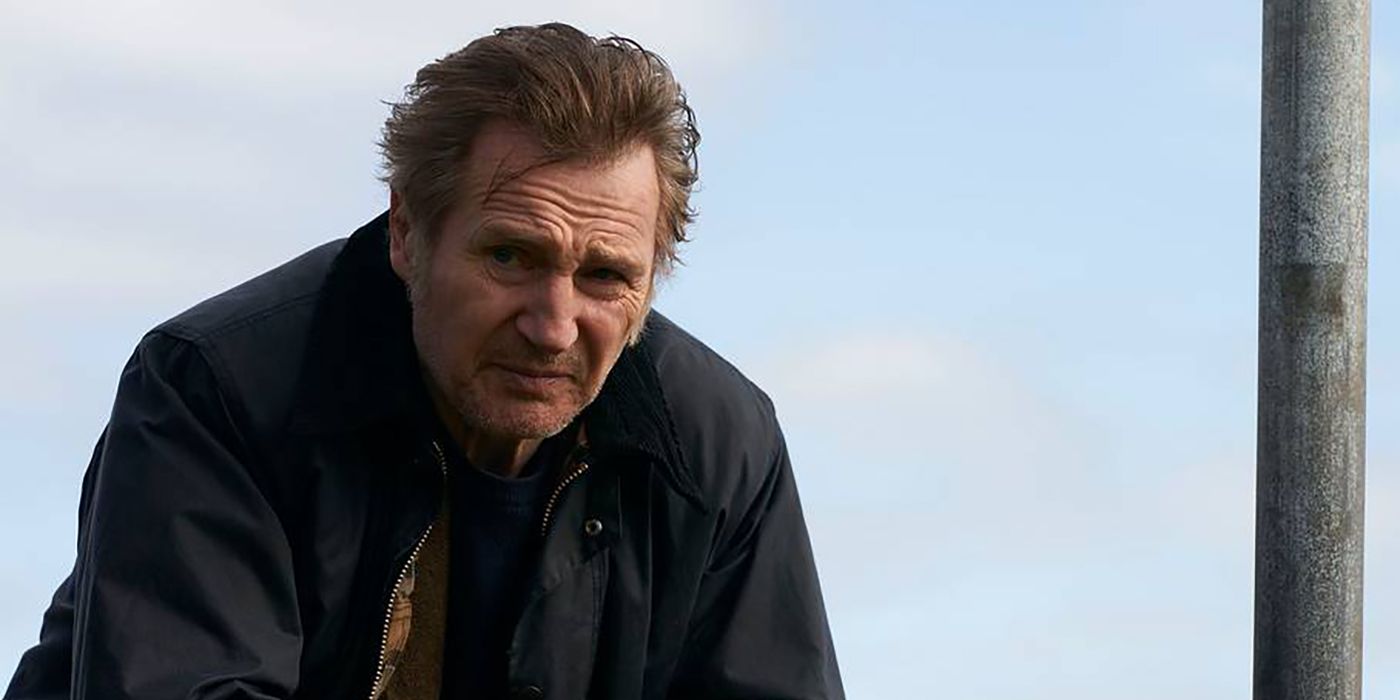
The Last House 2 Chances At Netflix Addressed By Wagner Moura After Shocking Ending
Wagner Moura, the lead in Netflix's *The Last House*, discusses the potential for a sequel after the film's surprising ending.
This analysis of 'The Last House' dissects its ineffectual plot and themes, showcasing how it squanders a promising premise.
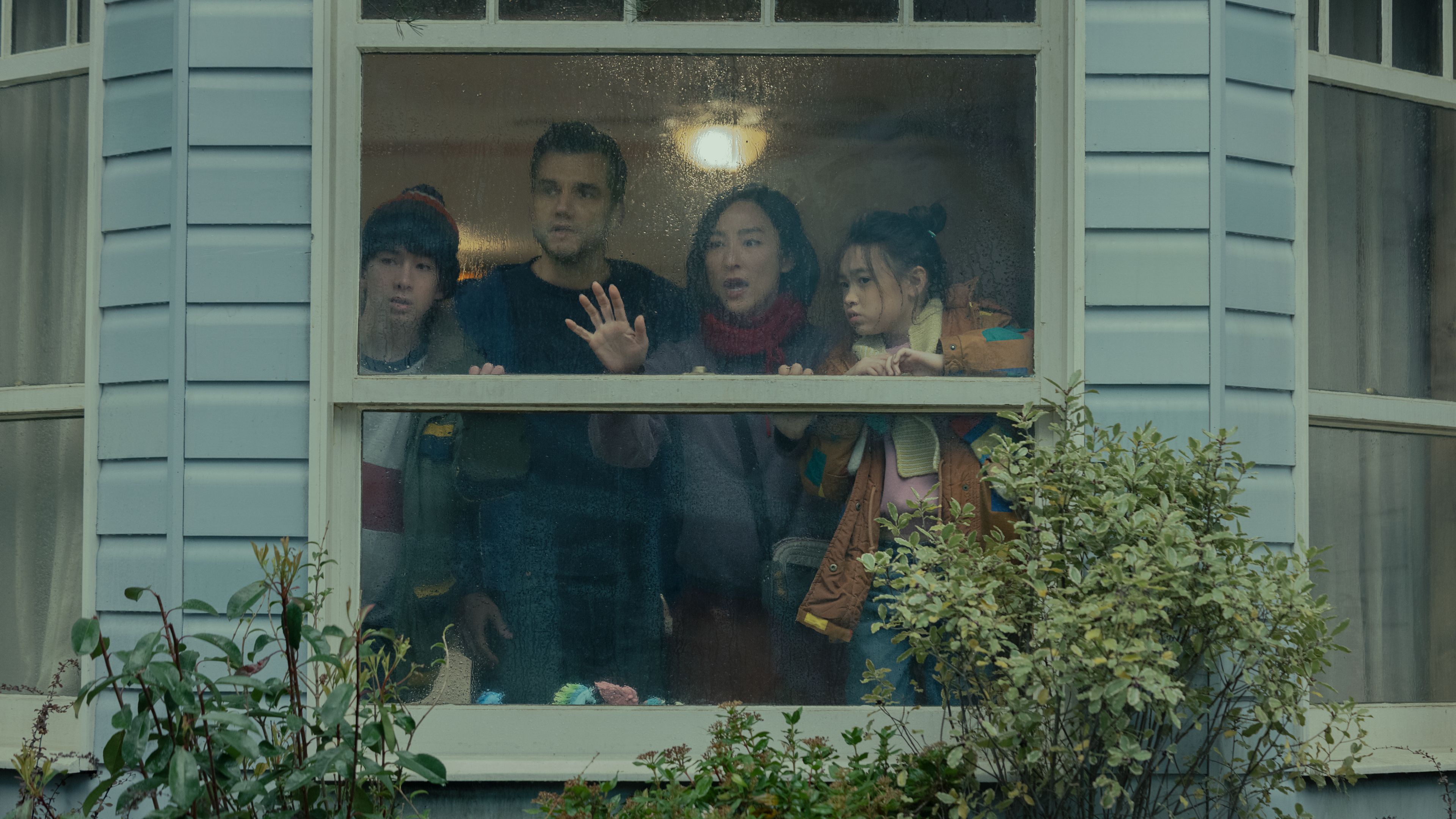
In simple terms, 'The Last House' poses the question: What happens when a family is completely cut off from the outside world? The film attempts to explore the psychological effects of isolation and the bonding that emerges under extreme pressure. However, the execution falters, leading to a muddled narrative that often distracts from this central theme.
Confirmed events revolve around the Delgado family, which includes Jason (Wagner Moura), Ann (Greta Lee), and their children, Graham and Ruth. The sudden onset of an inexplicable phenomenon traps them within their own home, resembling a modern-day twist on a lockdown scenario. As the days turn into weeks, the initial excitement of hunkering down shifts to tension and desperation, a journey that has the potential for deep emotional exploration. This family dynamic is undermined by a script that fails to justify their actions or motivations convincingly.
The theme of isolation is front and center in 'The Last House', but its exploration is surface-level at best. The film makes early attempts to engage viewers through lighthearted family bonding moments, yet these moments are soon overshadowed by the disarray that erupts among the family members as months pass in confinement. The family begins to unravel, but we spend so little time developing these dynamics that their eventual conflicts feel forced rather than organic. The concept of feeling trapped is resonant—especially in a post-pandemic world—but here it is ultimately disappointing.
While the core actors, Moura and Lee, are typically compelling, they wrestle against a lack of coherent character arcs in 'The Last House'. Their portrayals, stripped of substantiated emotional depth, become clunky sketches rather than fleshed-out individuals. The film quickly dissipates any genuine stakes as their actions seem disconnected from realistic human behavior. The dialogue further compounds this issue, making it hard for the audience to invest emotionally in their plight. Throw in disjointed pacing and abrupt cuts, and you have a recipe for viewer disengagement that the film cannot overcome.
The film tries to weave a mysterious narrative about the rain that seals the Delgados in. However, this aspect of the plot, intriguing in theory, remains largely underexplored. While it raises questions about what lies beyond the rain—intensified by occasional glimpses of movement—these mysteries ultimately lead nowhere. Unlike other isolation-themed films, 'The Last House' struggles to provide satisfying answers or even a compelling reason for the family’s suffering. The icing on the cake comes with the concluding moments, which, instead of providing closure, leave viewers puzzled and frustrated.
In analyzing the third act, confirmed events show the family's situation worsening without any significant development from earlier scenes. The mystery surrounding their confinement, hinted at throughout the film, fails to deliver a pay-off. The film’s attempts to tie its thematic threads together fall flat, resulting in an ending that lacks the tension or resolution necessary to satisfy an audience. The primary question of what trapped them, rather than being unveiled, becomes merely an afterthought, overshadowed by disarray. It’s a narrative that promised much but ultimately delivers very little.
The most significant aspect of 'The Last House' may not even be the family at its center, but rather the house itself—an intricate production design that acts as a visual anchor. This setting, which evolves into a character of its own, holds potential for a better narrative if utilized effectively. It’s a grounding force in a film that otherwise spins out into incoherence.
Ultimately, 'The Last House' serves as a cautionary tale about wasted potential. Despite a compelling premise and talented actors, the film falls prey to poor writing and direction. What remains are unanswered questions, a lack of resolution, and a film that will likely be forgotten among the many offerings of pandemic-era cinema. For more insights on this theme, you may want to explore related discussions like 'The Last House' Offers a Gripping Look at Lockdown Anxiety and Ricky Gervais' 'Alley Cats' Review: A Mixed Bag for Netflix.
Movie explanation
EpisodeBreakdown may use automated tools to assist research, drafting, and formatting. Published pages are governed by our editorial and corrections policies, and source links are shown when they are available in the article record.
Discovery source: ScreenRant. The source identifies where the topic was discovered; EpisodeBreakdown is responsible for the commentary published on this page.
Reader response
Reactions and poll results are based on real reader responses. No account is required.