The Last House 2 Chances At Netflix Addressed By Wagner Moura After Shocking Ending
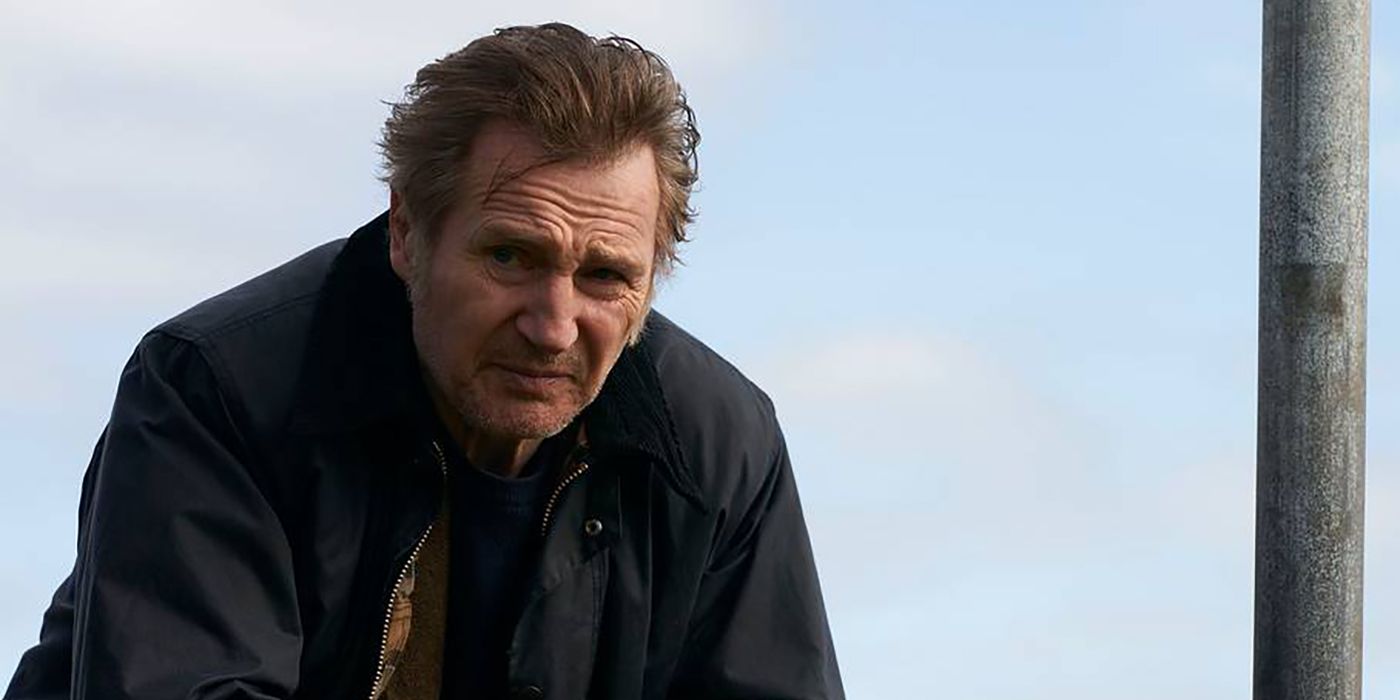
Wagner Moura, the lead in Netflix's *The Last House*, discusses the potential for a sequel after the film's surprising ending.
Delve into the complexities of Patricia, portrayed by Kate O'Flynn, in 'Widow's Bay' and how her character embodies duality.
In simple terms, "Widow's Bay" raises the central question: What happens when local governance clashes with supernatural forces? The show deftly navigates this through the character of Patricia, played by Kate O'Flynn, whose eccentricity not only provides comic relief but also deepens the story's emotional core. Patricia’s character reflects a unique duality that resonates with viewers, marking her as a pivotal figure amid the chaos of the island's existential crisis.
The narrative unfolds as Tom Loftis (Matthew Rhys), the island’s mayor, grapples with a centuries-old curse while trying to boost tourism. This setup creates a fertile ground for humor and horror, beautifully intertwined. Patricia’s relationship with Tom is at the heart of this interplay; she serves not just as his assistant but also as a mirror reflecting Tom's journey. The struggle against the curse forces her to confront her own underlying fears.
A notable turning point in the series occurs during a critical moment in episode 4. This is when Patricia shines, showcasing her depth through an unconventional dance performance that is both quirky and emotionally charged. The performance reflects the heart of the show’s duality—humor cloaked in underlying pathos. In this segment, Patricia appears to balance her playful exterior with a more profound vulnerability, revealing her complexities. O'Flynn describes this iconic scene as integral to understanding Patricia's dual nature. The absurdity of the dance juxtaposed with its emotional weight leaves audiences questioning the true essence of her character.
"Widow's Bay" masterfully blends horror and comedy, but it is through Patricia that these themes are most effectively explored. She embodies the nostalgia that the series evokes—her quirky personality recalls childhood memories and fairy tales, while simultaneously placing her in a world that is far from whimsical. O'Flynn reflects on the script's capacity to inspire laughter while also tugging at heartstrings. This delicate balance not only influences viewer perception but also positions Patricia as a relatable character amid supernatural chaos.
Confirmed events around Patricia emphasize her value beyond mere comic relief. She is integral to Tom's journey, revealing layers of his character as he faces the curse. With each episode, her lines stand out, encapsulating moments of humor that transform into reflections on the human condition. O'Flynn’s performance, especially noted for its eccentricity and heartfelt delivery, allows audiences to invest emotionally in the character.
What remains unknown about Patricia is the full extent of her backstory and how it intertwines with the island's curse. As shown in interviews, O'Flynn hints at a rich backstory that has yet to be fully explored. This mystery surrounding Patricia adds an intriguing layer to her character—viewers sense that her experiences shape her eccentricities and responses to the chaos around her. The more the audience learns about the island's history, the more they crave insights into Patricia's life before becoming Tom’s assistant.
Confirming her depth, O'Flynn notes, "You don’t quite know where you’re at with her," a sentiment that underlines viewers’ fluctuating perceptions of her character. This unpredictability in Patricia’s personality keeps audiences engaged and constantly reevaluating her motives and underlying emotions.
As the series progresses, the conflict escalates, allowing viewers to see how deeply Patricia influences Tom’s ability to confront the curse. The conclusion aligns well with earlier plot points—Patricia’s duality is not a gimmick, but rather a crucial part of the unfolding narrative. Her blend of humor and depth eventually leads Tom toward a realization about both the island's curse and his role as a leader. This revelations not only empower Tom but also redefine Patricia’s role in the narrative, showcasing their interdependence.
With the series earning 19 Emmy nominations, the future implications for characters like Patricia are significant. O'Flynn’s portrayal highlights the growing appetite for complex characters that challenge traditional genre stereotypes in horror-comedy. As the cult following for "Widow's Bay" expands, it raises compelling questions about how Patricia’s duality will evolve. The interaction among characters and the exploration of the supernatural elements serve as fertile ground for further development and deeper emotional resonance in future seasons.
To further explore these themes, readers may also find insights in related articles such as Betty Gilpin on Widow's Bay: The Evolution of Scunny and Fary and Understanding the End of Star Wars: Episode III – Revenge of the Sith. These analyses dive into the character dynamics and evolving narrative structures that define modern storytelling in episodic television.
Patricia’s influence in "Widow's Bay" suggests that complex characters are not only an asset, but a necessity for successful storytelling, enabling viewers to connect with both the comic and tragic elements of the narrative. Such depth could set a precedent for future television, where characters are multifaceted and narratives never cease to surprise.
Movie explanation
EpisodeBreakdown may use automated tools to assist research, drafting, and formatting. Published pages are governed by our editorial and corrections policies, and source links are shown when they are available in the article record.
Discovery source: Rotten Tomatoes News. The source identifies where the topic was discovered; EpisodeBreakdown is responsible for the commentary published on this page.
Reader response
Reactions and poll results are based on real reader responses. No account is required.