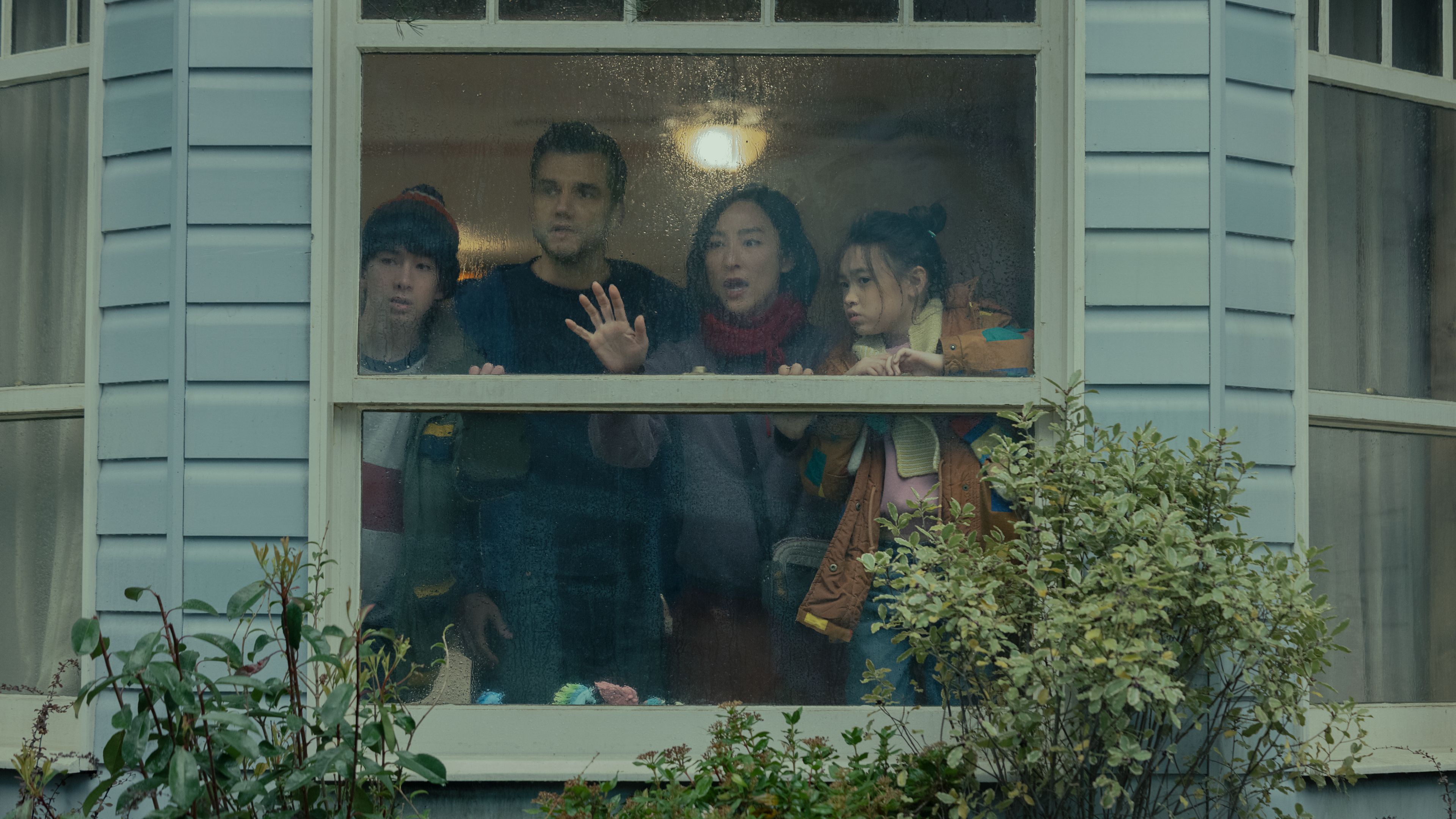
The Last House 2 Chances At Netflix Addressed By Wagner Moura After Shocking Ending
Wagner Moura, the lead in Netflix's *The Last House*, discusses the potential for a sequel after the film's surprising ending.
Explore the intricacies of Patricia's character in Widow's Bay, revealing the balance of humor and heartbreak in her journey.
The central question in Widow's Bay revolves around how the seemingly light-hearted interactions and the underlying stakes of horror coexist within the narrative. The show successfully weaves comedy with supernatural elements, particularly showcased through the character of Patricia, played masterfully by Kate O'Flynn. In simple terms, the series asks: How does humor serve to mask deeper emotional currents that threaten to surface?
Patricia embodies this duality. She is not just Tom Loftis's eccentric assistant; she becomes a focal point for the exploration of humor as a coping mechanism amidst the darker undertones of life on the cursed island. This complexity makes Patricia a fan favorite and a character deserving of critical analysis beyond her comedic lines.
The dynamics in Widow's Bay shift significantly at various points, notably through Patricia's character arc. A crucial turning point occurs in Episode 4, where her preparation for a pivotal dance performance symbolizes both her internal struggles and the external chaos enveloping the island. This dance, rife with personal significance, serves not only as comic relief but also deepens our understanding of her character.
During her dance, the audience witnesses a juxtaposition of joy and sorrow—a reflection of Patricia's multifaceted personality. Kate O’Flynn describes how this performance resonated with viewers, emphasizing how the humor intertwined with a palpable sense of heartbreak captures the essence of the show’s tone. Patricia’s dance becomes a metaphor for the layers of her character, revealing vulnerabilities masked by her flamboyant exterior.
The thematic elements of Widow's Bay create a unique atmosphere that blends humor with the horror genre. The duality in Patricia's character embodies this theme effectively. For instance, while speaking hilarious lines that provoke laughter, the subtext often points to unresolved tensions and fears—the struggles that mirror the island's cursed history.
The interplay between comedy and horror is crucial for understanding the show’s essence. In conversations with co-stars and through scripted interactions, Patricia’s humor often unveils deeper emotional truths about life, relationships, and the fear of confronting one’s past. This duality not only appeals to audiences but also reflects a shared human experience of coping with grief and trauma through laughter.
Observations from Kate O'Flynn highlight the character's intentionally ambiguous nature. As viewers, we continually question Patricia's motives—whether her support for Tom is genuine or masked by personal agendas. Elements such as her offbeat remarks and unexpected reactions to crises serve as clues pointing to a more extensive narrative about authenticity and the fear of vulnerability.
The combination of comedic dialogue and deeply personal stakes adds to the complexity of Patricia's relationships with other characters, particularly Tom Loftis. Their dynamic often suggests that humor can obscure pain and reveal a tender side that becomes vividly apparent when faced with dire circumstances.
The concluding segments of Widow's Bay bring Patricia's journey full circle, reinforcing key themes established earlier. The emotional impact of her character arc culminates in a moment that aligns humor with catharsis, creating a poignant reflection on personal transformation amid adversity. The reveal of her dance attire acts as more than a comedic twist; it's a powerful statement about self-acceptance and revealing one's true self, even when faced with ridicule or fear.
As the story wraps up, viewers are left with an understanding that humor and vulnerability coexist within us all. Patricia's journey showcases the exploration of duality not only within her character but also within the personal struggles of the community around her. This complex narrative structure emphasizes that even in horror-comedy, the characters are more than their archetypes—they are reflections of our own fears and hopes.
Films and series exploring similar themes often provide insight into the successful blend of humor and horror. For instance, works such as Shaun of the Dead and The Cabin in the Woods also explore how laughter can arise from perilous situations, pushing characters to navigate their fears while evoking genuine emotional responses.
Widow’s Bay stands as a testament to this narrative style, offering audiences a complex yet enjoyable experience. The character of Patricia, with her intricate duality, exemplifies why the series resonates so profoundly, making her journey not just one of laughs but also of learned emotional truths and resilience.
In conclusion, Patricia's character in Widow's Bay elevates the series, presenting viewers with a unique message about the balance of comedy and tragedy in life. Through her intricate portrayal, the show asks us to consider how laughter can coexist with sorrow, forcing us to confront the underlying fears we may not wish to face. As audiences continue to embrace this narrative, it’s evident that Widow’s Bay, through characters like Patricia, connects us all to our complexities, helping us to find the light amid darkness.
For further insights into similar themes, check out Betty Gilpin's Stand Against Algorithm-Driven TV in 'Widow's Bay' and Analyzing 'Drag': A Heist Comedy with Depth.
Movie explanation
EpisodeBreakdown may use automated tools to assist research, drafting, and formatting. Published pages are governed by our editorial and corrections policies, and source links are shown when they are available in the article record.
Discovery source: Rotten Tomatoes News. The source identifies where the topic was discovered; EpisodeBreakdown is responsible for the commentary published on this page.
Reader response
Reactions and poll results are based on real reader responses. No account is required.