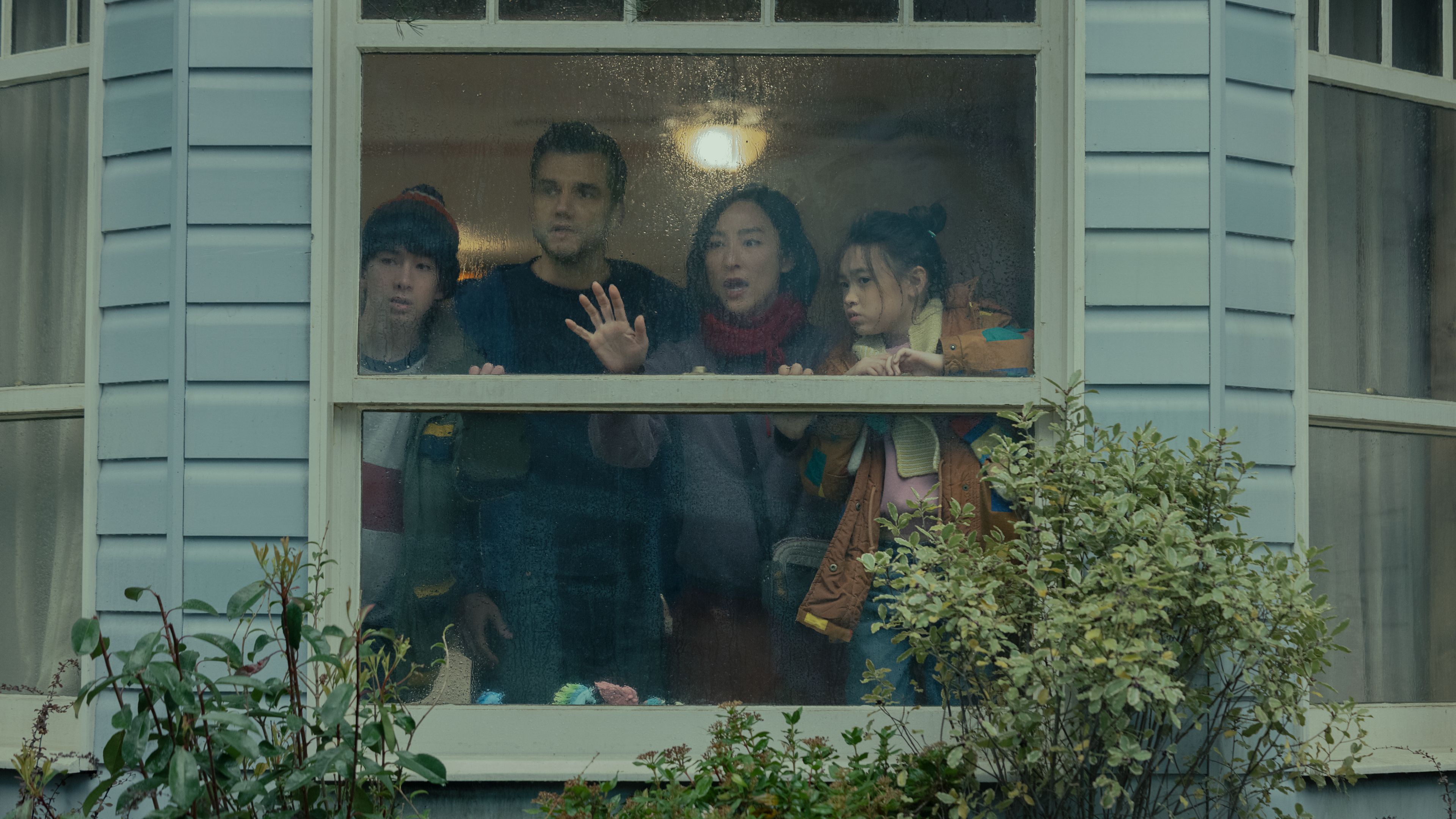
The Last House 2 Chances At Netflix Addressed By Wagner Moura After Shocking Ending
Wagner Moura, the lead in Netflix's *The Last House*, discusses the potential for a sequel after the film's surprising ending.
Analyze the impactful ending of Revenge of the Sith and its lasting consequences on the Star Wars saga.
Explore the franchise
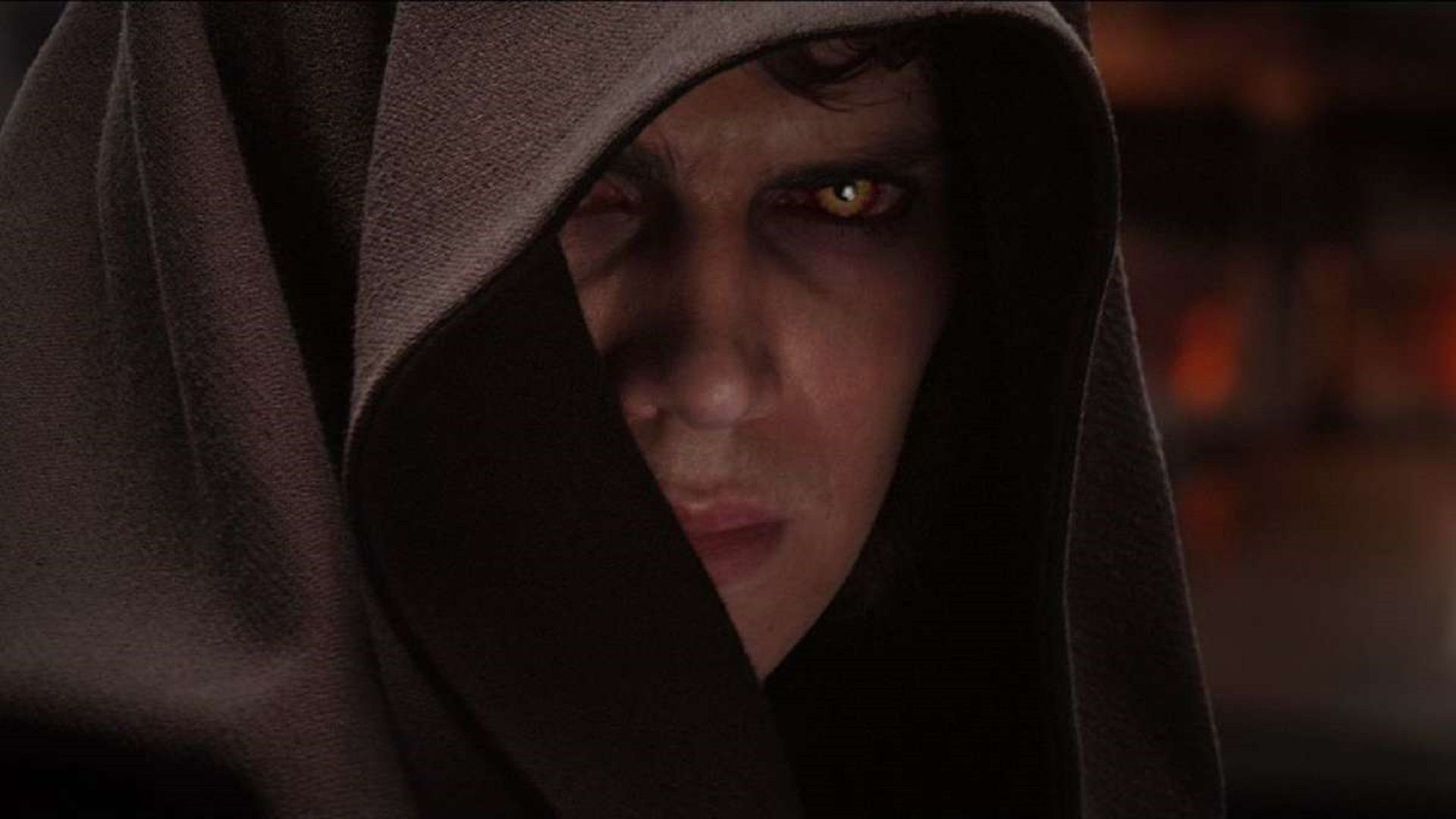
In simple terms, the ending of Star Wars: Episode III – Revenge of the Sith marks Anakin Skywalker’s complete transformation into Darth Vader, leading to the downfall of the Jedi Order and setting the stage for the Galactic Empire's rise. This pivotal moment encapsulates the tragic elements of the saga, showcasing the frailty of heroism and the seductive grip of power.
What happened is that Anakin, driven by fear of loss and manipulated by Emperor Palpatine, ultimately chooses to abandon his allegiance to the Jedi. In the final scene, we witness the heartbreaking consequences of his decisions, including the demise of his friendships and the legacy he leaves behind.
The climax occurs during a fierce duel between Anakin and Obi-Wan Kenobi on the volcanic planet of Mustafar. This confrontation embodies the conflict between trust and betrayal. Anakin’s betrayal is starkly highlighted as Obi-Wan tries to reason with him, emphasizing that he has transformed into a person who is no longer recognizable.
The emotional weight of the scene is enhanced by the underlying tragic themes present throughout the film. Each character's choices are deeply rooted in their fears and hopes, which leads to devastating consequences. Anakin’s temptation by Palpatine culminates in his decision to embrace the Sith, ironically believing this path will give him power over death and the ability to save Padmé.
The confirmed meaning of this ending highlights the tragic arc of Anakin Skywalker. His transformation into Darth Vader serves as a cautionary tale about the consequences of unchecked ambition and fear. This nuanced journey paints a bleak picture of potential heroism corrupted by darkness.
Plausibly, viewers might interpret Anakin's fall through various lenses—some may see it as a warning against hubris, while others could view it as a tragic exploration of love turned toxic. Each perspective allows for greater reflection on how power and vulnerability coexist within human experience.
While much is explained, several questions linger after the film concludes:
The ending of Revenge of the Sith fundamentally alters the overall narrative of the Star Wars saga. Anakin’s transformation delivers a narrative shift that redefines the dynamics of power and morality within the universe. The established order of the Jedi is dismantled, giving rise to the Sith, and heralding the age of the Empire.
Furthermore, audiences may reflect on how Revenge of the Sith serves as a bridge to the original trilogy, connecting Anakin’s fate to future generational conflicts between the light and dark sides in the galaxy. This ending not only concludes Anakin’s arc but also foreshadows the central conflicts that shape the larger story.
The final moments of Revenge of the Sith present a profound exploration of choice, consequence, and tragedy within the Star Wars narrative. As Anakin Skywalker succumbs to darkness, the impact reverberates throughout the saga, setting the stage for future encounters and themes. Understanding this ending enriches viewers’ appreciation of the saga's complexity and its moral undertones, shaping how they interpret the journeys of characters in the Star Wars universe. For further exploration of character decisions and endings in vibrant narratives, check out our analyses on Dangers in My Heart and House of the Dragon.
Ending explanation
EpisodeBreakdown may use automated tools to assist research, drafting, and formatting. Published pages are governed by our editorial and corrections policies, and source links are shown when they are available in the article record.
Discovery source: MovieWeb. The source identifies where the topic was discovered; EpisodeBreakdown is responsible for the commentary published on this page.
Reader response
Reactions and poll results are based on real reader responses. No account is required.