Analyzing Catherine's Duality in Hulu's Furious
Explore Catherine's complex portrayal in Hulu's Furious and examine themes of victimhood and vigilante justice.
Uncover the complexities of George Washington's early years as he navigates trust and leadership amidst chaos in 'Young Washington'.
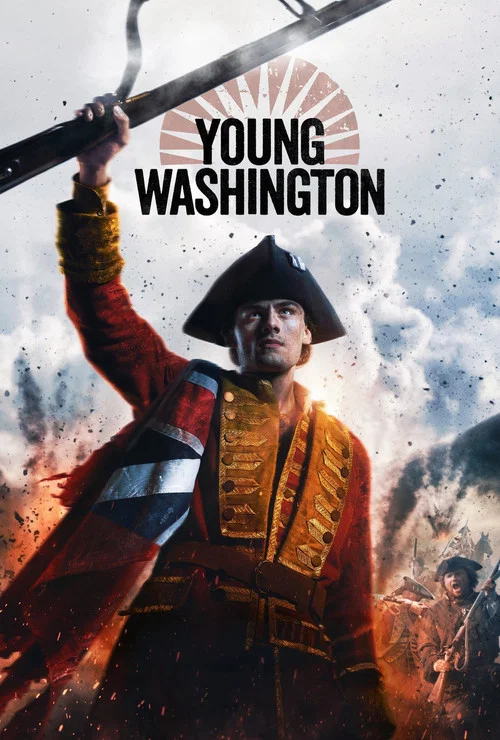
In simple terms, Young Washington poses a central question: What shapes a leader? The film goes beyond the iconic image of George Washington as a flawless hero, instead depicting him as a young soldier grappling with the chaos of war. It explores his struggles during the French and Indian War and examines how each misstep influenced his development into a leader. The narrative seeks to reveal the human vulnerability behind the larger-than-life figure we know today.
The film, directed by Jon Erwin, sharply focuses on Washington’s early military experiences rather than his eventual triumphs. This choice establishes critical turning points that are vital to understanding his growth. Early on, Washington faces failure in battles that not only question his leadership abilities but also challenge his fundamental beliefs about trust and loyalty. With alliances crumbling, he is forced to choose whom he can rely on amidst the looming threat of war.
One stark moment arises when Washington experiences a significant defeat. This event doesn’t just serve as a plot point; it lays the groundwork for his learning curve. It’s through these failures that we see Washington’s resilience emerge, marking a turning point where he starts to mature into the formidable leader later celebrated in history.
The theme of trust is intricately woven throughout the film. Washington's relationships—both personal and professional—are riddled with uncertainty, serving as a microcosm for the broader conflicts of the time. This uncertainty gives rise to the more profound revelation that effective leadership is not just about victory but also about the capacity to navigate complicated interpersonal dynamics.
As alliances shift and betrayals occur, Washington’s evolving sense of trust becomes a focal point. The film compels viewers to consider how these early experiences might have informed his future decisions. Given the historical context, the narrative subtly suggests that the foundations of his character were laid in these turbulent times, where trust often became a double-edged sword.
The character choices made by Washington and those around him reveal much about the film’s intentions. For instance, Washington’s interactions with his superiors and fellow soldiers showcase a blend of ambition and introspection. His decisions, albeit flawed, are anchored in a genuine desire to lead, even if he is still figuring out what that means.
This internal struggle is accentuated by various characters, each serving as reflections or counterpoints to Washington's evolving identity. By illustrating these relationships, the film provides a nuanced examination of what it means to assume leadership under pressure. The struggles of those around him—whether they be allies or adversaries—serve to underscore Washington's character depth and complexity.
As we navigate through the film, various clues display how Washington’s past experiences start to foreshadow his future roles as a leader. Symbolic visuals, like the weight of his military gear and the rugged landscapes of conflict, punctuate scenes to reflect the burdens he carries. These metaphors are significant, showing that every challenge he faces adds another layer to the persona we eventually come to recognize in history.
For instance, instances of doubt, disappointment, and ultimate recovery are illustrated effectively, highlighting how these pivotal experiences shape a leader’s resolve. The struggle with his self-doubt evolves into a sense of purpose that becomes integral to his character arc, establishing a direct connection to his later successes and ethical dilemmas.
Young Washington concludes by tying together Washington's earlier challenges with his future role as a leader. Rather than offering a neat resolution, the ending emphasizes that the struggles he faced were not merely setbacks but essential parts of his growth. The film suggests that understanding one’s failures is as crucial as celebrating victories.
By portraying Washington’s transformation, the film effectively resonates with viewers on multiple levels, reinforcing that the path to leadership is fraught with complexity and self-discovery. His resolve to learn from adversity paves the way for the leader who would eventually help shape a nation.
Young Washington serves as an insightful exploration of leadership and growth through the lens of historical fiction. It compels audiences to reflect on the foundational experiences that shape individuals into respected leaders. As we evaluate Washington's struggles and eventual maturation, we are reminded that every celebrated figure has faced their own trials and tribulations. This portrayal invites viewers not only to appreciate Washington’s legacy but also to examine their definitions of trust, integrity, and leadership. The film presents a timely message about navigating challenges and the importance of learning through adversity—a universal lesson relevant today.
For those interested in thematic analyses of complex character developments in modern cinema, similar films such as Night Nurse: Themes of Trust and Deception and Nando Between Two Worlds: A Deep Dive into Choices and Loyalties offer rich narratives on the intricacies of human relationships and moral dilemmas. As audiences look forward to Young Washington’s release, it is evident that Jon Erwin has crafted a narrative that transcends mere history, prompting broader reflections on the fabric of leadership.
Movie explanation
EpisodeBreakdown may use automated tools to assist research, drafting, and formatting. Published pages are governed by our editorial and corrections policies, and source links are shown when they are available in the article record.
Discovery source: TMDB. The source identifies where the topic was discovered; EpisodeBreakdown is responsible for the commentary published on this page.
Reader response
Reactions and poll results are based on real reader responses. No account is required.