Rediscovering 2000s Psychological Thrillers: Hidden Gems
Explore overlooked psychological thrillers from the 2000s, analyzing their themes and character choices.
Explore the upcoming adaptation of Grady Hendrix's horror novel and its implications for the genre.
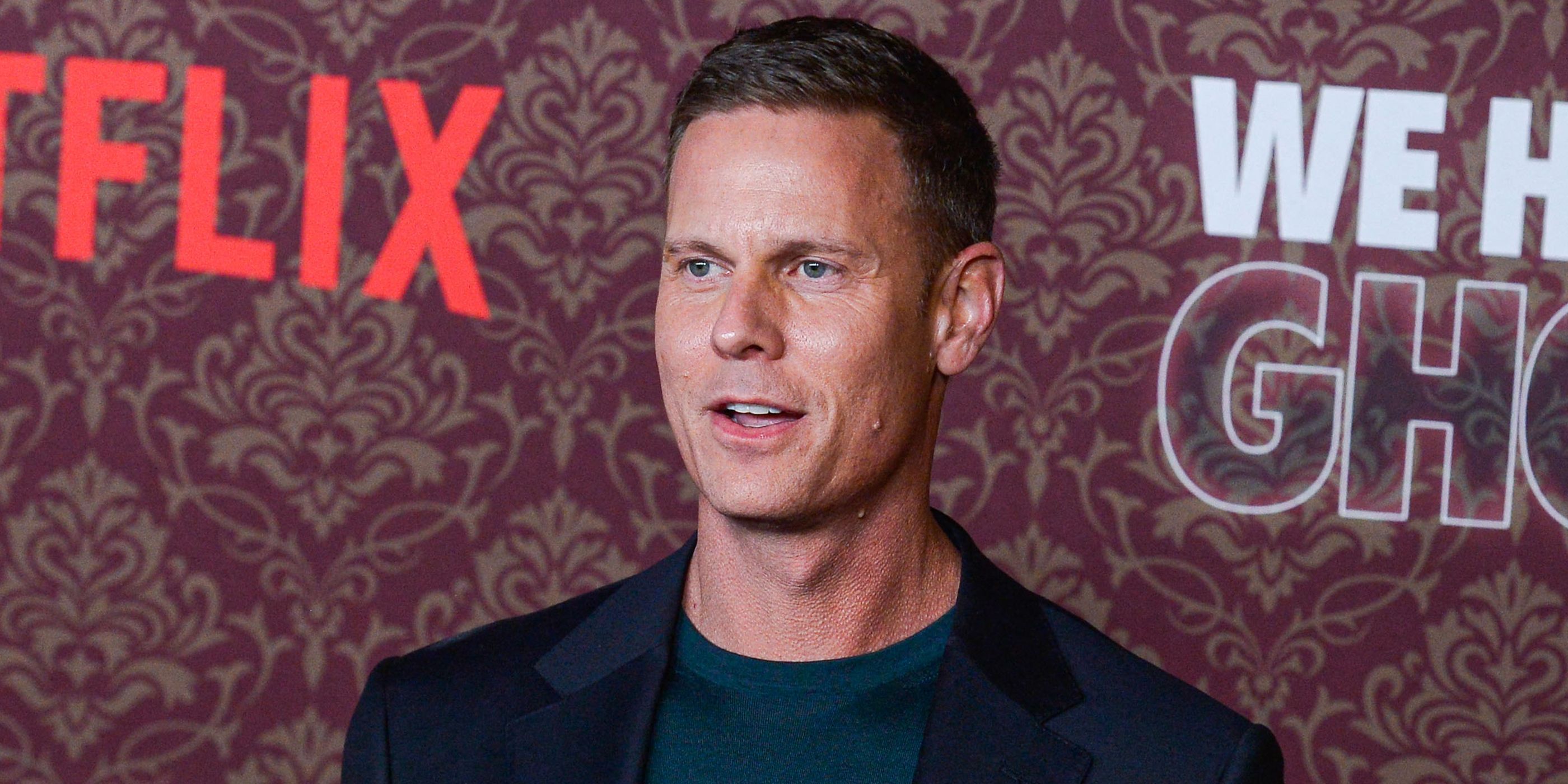
In simple terms, the imminent film adaptation of Grady Hendrix's acclaimed novel The Final Girl Support Group raises pivotal questions about survival, trauma, and the depiction of female protagonists in horror. As Christopher Landon takes the helm, known for his work in modern horror—especially the Happy Death Day franchise—the adaptation seems poised to explore both the darkly comedic and serious themes woven throughout the source material.
What happened is that this adaptation follows a trend of successful book-to-film transitions showcased in recent years. With Landon’s experience and reputation in the horror genre, anticipation surges for how he will reinterpret Hendrix's narrative. It’s this foundation that will likely shape the film's ability to resonate with audiences, both familiar and unfamiliar with the original text.
At its core, the key question this adaptation presents is: can trauma be transformed into strength? The original novel provides a unique lens through which the horrors of slasher films are viewed. The concept of a support group for the sole survivors of various horror scenarios delves into the psychological impact of survival—not merely surviving the ordeal but living with the repercussions of it. This perspective challenges conventional narratives surrounding horror, which often overlook the aftermath of trauma.
The adaptation retains crucial elements of the original text, such as the focus on a group of women who have battled gruesome killers and now must confront their pasts. This exploration of female friendship, strength in vulnerability, and the haunting nature of unresolved trauma is confirmed to be integral to both the book and its film interpretation. It appears that Landon aims to maintain this thematic essence, which sets it apart from traditional horror narratives that often objectify their subjects.
Hendrix's thematic cocktail of horror and empowerment resonates through each character's journey, particularly in their shared experiences. The novel won the Goodreads Choice Award for Best Horror Novel of 2021, which underscores its impact on readers and the horror community. Analyzing the characters’ choices and their coping mechanisms will be crucial for understanding the narrative depth of the adaptation.
Christopher Landon's directorial approach to horror often marries atmosphere with humor, which can be seen in both the Happy Death Day series and Freaky. His transition from a genre-based concept to a character-centric narrative will be of utmost importance. By emphasizing the uniqueness of a support group rather than a sole heroine, the film has the potential to subvert traditional survivor tropes prevalent in horror films.
It is confirmed that Landon will not shy away from confronting the darker corners of the narrative. His ability to cultivate tension while embedding humor will serve as a critical vehicle for conveying the stories of these characters, each representing different facets of trauma.
There are intriguing clues within Hendrix’s narrative that suggest how trauma can manifest in various forms. For instance, characters may physically confront their fears or metaphorically engage with their inner demons, using unpacked memories as a tool for survival. How these moments translate onto the screen remains uncertain but will be a focal point of interest for viewers.
The interplay between past and present in the novel emphasizes that while trauma shapes lives, it does not define them. This duality is evident when characters interact with one another, utilizing their shared experiences to forge a bond that is both protective and healing.
The representation of women in horror has garnered increasing scrutiny and dialogue over the years. The Final Girl Support Group serves as a commentary on that legacy, exploring how female characters can be more than mere victims. Witnessing these women reclaim their narrative agency can elevate the genre and break stereotypes.
Essentially, this adaptation holds the promise to explore deeper themes that question traditional gender roles in horror. In a world dominated by male-driven narratives, Hendrix’s storyline paves the way for a more complex view of survival and resilience in women.
While the specific ending of the film adaptation is still undisclosed, it is expected to tie back to the central themes of trauma and empowerment. The original narrative emphasizes closure and strength found within community, suggesting that the finale could evoke a sense of hope amid horror.
Given that the source material deftly intertwines moments of terror with emotional reconciliation, the adaptation must carefully balance these elements to avoid merely falling into predictability or cliché. As it stands, readers and soon-to-be viewers alike can anticipate a conclusion that firmly resonates with the themes of survival and transformation, solidifying the characters’ journeys.
The move to adapt The Final Girl Support Group illustrates a significant shift in the horror landscape, reflecting a growing interest in narratives that delve deeply into character psychology and social commentary. It signals not only a change in approach to female characters in horror but also a trend toward films that explore the aftermath of violence rather than its glorification.
This adaptation, alongside other successful transitions in recent years, demonstrates a potential evolution of horror itself. Landon's project stands to further the discourse surrounding female empowerment within the genre, playing a crucial role in how stories of survival are told. As anticipation builds for its release, the broader implications for the horror genre and its representation remain an exciting focal point.
In conclusion, whether this film adaptation stays true to its roots or carves its own path, the thematic struggles within The Final Girl Support Group promise to resonate long after the credits roll.
To keep up with more adaptations and insights into the horror genre, check out articles like Stephen King’s Pet Sematary: An In-Depth Analysis of Horror and Grief and Navigating the Future of Outfest: A New Era for L.A.'s LGBTQ+ Film Festival.
Movie explanation
EpisodeBreakdown may use automated tools to assist research, drafting, and formatting. Published pages are governed by our editorial and corrections policies, and source links are shown when they are available in the article record.
Discovery source: Collider. The source identifies where the topic was discovered; EpisodeBreakdown is responsible for the commentary published on this page.
Reader response
Reactions and poll results are based on real reader responses. No account is required.