In April 2009, a nine-week-old ABC sitcom aired an episode in which a corporation installs motion-activated light sensors to save money, and the sensors do not detect employees with dark skin. Management’s position is that this is not racism, because the saved metadata shows the show was Better Off Ted, created by Victor Fresco, and aired on ABC from 2009 to 2010.
Better Off Ted’s 2009 Episode on Algorithmic Bias Was a Hidden Landmark
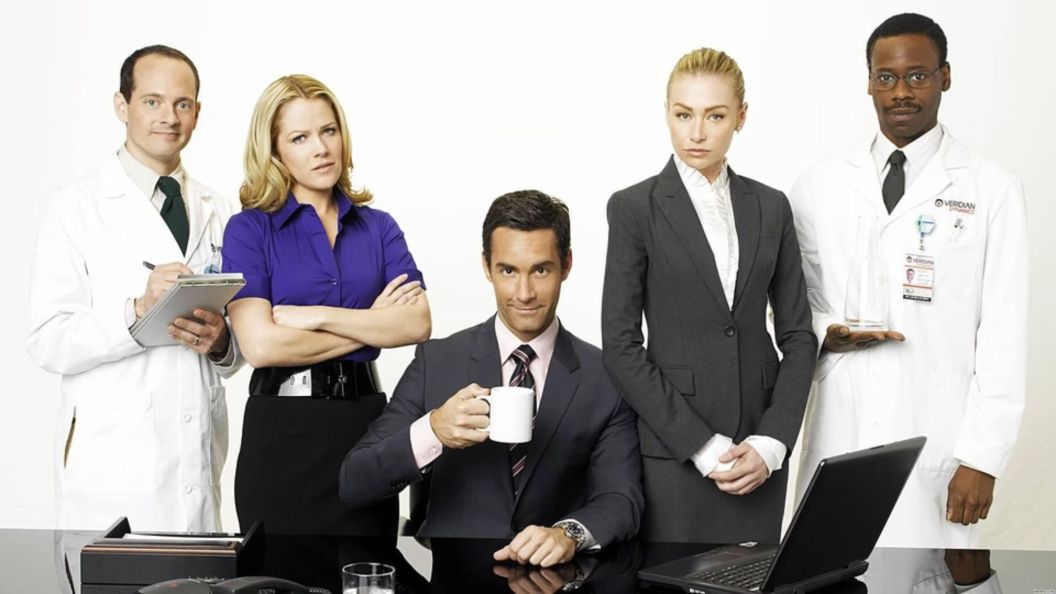
In April 2009, a nine-week-old ABC sitcom aired an episode in which a corporation installs motion-activated light sensors to save money, and the sensors do not detect employees with dark skin. Management’s position is that this is not racism, because the system is not discriminating against anyone—it is merely ignoring them. The episode, titled Racial Sensitivity, was the fourth of Better Off Ted’s first season and aired on April 8, 2009. The show, created by Victor Fresco, was a low-rated ABC comedy that never achieved mainstream popularity but has since been recognized as a sharp critique of corporate systems that produce discriminatory outcomes without intentional bias.
The episode’s premise mirrors real-world issues with algorithmic bias. Veridian Dynamics, the fictional company at the center of the series, faced a problem where motion sensors failed to detect employees with darker skin tones. Management proposed increasingly absurd fixes, such as segregating employees into drinking fountains or assigning white employees to follow Black employees to trigger the sensors. These solutions collapsed under their own logic, highlighting how corporations often prioritize cost-saving measures over ethical considerations.
The Show’s Ratings and Cancellation Were Unfortunate
Better Off Ted premiered on March 18, 2009, with 5.64 million viewers—a low rating for a new sitcom at the time. The show’s audience dwindled over the next few months, averaging just over two million viewers per week by the end of its first season. ABC canceled the show in May 2010 after broadcasting 24 of 26 episodes, with the final two episodes never airing due to the NBA Finals extending into a seventh game. The show’s cancellation was delayed by nearly four months, and the two remaining episodes were never rescheduled.
The show’s critical reception improved over time, with the second season widely regarded as the strongest. However, its audience continued to shrink, a trend that has been attributed to its scheduling on Wednesday nights behind Scrubs and later on Tuesdays during a summer break when networks typically reduce promotions. The show’s low ratings and niche appeal meant it was largely forgotten by mainstream audiences, despite its sharp social commentary.
Why Better Off Ted Wasn’t the Same as The Office
The Office, a rival workplace comedy, ran for nine seasons and 201 episodes, winning five Emmys including Outstanding Comedy Series in 2006. It peaked at 22.9 million viewers and later became a streaming phenomenon on Netflix. Better Off Ted, by contrast, never achieved the same level of popularity or cultural impact. It lacks The Office’s emotional depth and character-driven storytelling, focusing instead on systemic issues within corporate environments.
The show’s creator, Victor Fresco, has stated that the low viewership was due to limited awareness. He noted that the few people who watched the show ‘liked it a lot.’ This lack of mainstream recognition has made Better Off Ted a forgotten gem, with few people outside niche audiences familiar with it.
The Challenge of Accessing Better Off Ted Today
Today, Better Off Ted is not available on major streaming platforms like Netflix, Hulu, or Prime Video. It is only accessible through paid services such as Amazon, Apple, or Fandango At Home, where it costs about $20 per season. This accessibility issue has compounded the show’s obscurity, as it has never been widely distributed. The show’s creator has acknowledged that its low viewership and limited distribution were intentional, given its focus on systemic critique rather than emotional engagement.
The show’s legacy is now relevant in the context of modern algorithmic bias. In 2009, the episode Racial Sensitivity was a rare example of a sitcom addressing real-world issues with automated systems. Today, similar problems persist with facial recognition technology and hiring algorithms, making Better Off Ted a prescient critique of corporate behavior.
Why This Matters Now
Better Off Ted’s 2009 episode on algorithmic bias remains a hidden landmark in television history. While The Office has become a cultural touchstone, Better Off Ted offers a more nuanced critique of how corporations operate without intentional bias. Its relevance today underscores the importance of addressing systemic issues in technology and business, even when they are not immediately visible.
The show’s cancellation and limited distribution reflect a broader trend in television: shows that tackle complex social issues often struggle to gain mainstream attention. Better Off Ted’s legacy serves as a reminder that impactful storytelling can exist outside traditional success metrics.
Better Off Ted’s 2009 Episode on Algorithmic Bias Was a Hidden LandmarkThe Show’s Ratings and Cancellation Were UnfortunateWhy Better Off Ted Wasn’t the Same as The OfficeThe Challenge of Accessing Better Off Ted Today
EpisodeBreakdown may use automated tools to assist research, drafting, and formatting. Published pages are governed by our editorial and corrections policies, and source links are shown when they are available in the article record.
Discovery source:ComicBook.com. The source identifies where the topic was discovered; EpisodeBreakdown is responsible for the commentary published on this page.
Reader response
What did you think?
Be the first to react
Reactions and poll results are based on real reader responses. No account is required.
Continue the story
news
Resident Evil Movie Pulls Two Monsters From Non-Franchise Games, But They Fit Perfectly
ComicBook.com reports that the new Resident Evil film features two monsters inspired by video games outside the franchise, including a creature from Inside and a Left 4 Dead-inspired elevator monster. The movie’s director, Zach Cregger, has created a video game-like horror experience without directly adapting the games.Read next →