test
asdasd
Explore the pivotal moments in 'Forging Justice' that shape the characters and the legal landscape of early China.
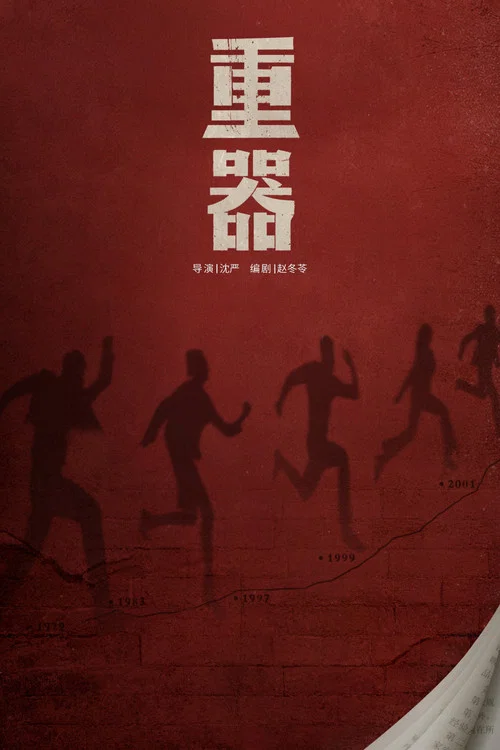
In simple terms, the episode of "Forging Justice" presents a fierce struggle between personal convictions and systemic challenges faced by law school graduates navigating the early reform era in China. As these characters embark on diverse careers within the judicial system, their choices set the stage for larger themes of justice and morality.
What happened is that five main characters—Chen Yizhong, Yu Gaoyuan, Lu Zeming, Xia Yingjie, and Zhang Lihui—find themselves at crucial crossroads, making decisions that will profoundly impact not only their futures but the fabric of the legal system itself. Their motivations stem not only from ideals instilled during their education but also from the realities of a rapidly changing society.
As the episode unfolds, we see each character exploring their paths in the judicial landscape. Chen Yizhong, driven by a desire to enforce justice, faces significant challenges when confronting corrupt practices. His intrinsic motivation reveals a dedication to the law that clashes with the failings of the system, foreshadowing future conflicts that define his arc.
Conversely, Yu Gaoyuan takes a more pragmatic approach to his legal career. He prioritizes personal benefit over ethical considerations, showcasing a distinct moral dilemma. His choices highlight the seductive nature of power and its consequences, which may lead to a divergence in his path compared to Chen Yizhong's idealism.
Within their respective roles, the characters encounter various obstacles that challenge their integrity. Lu Zeming's experience as a public defender illustrates the constraints placed on those who seek to right wrongs. Amid systemic inefficiencies and societal pressures, he represents the voice of the disillusioned, drawing attention to the darker side of legal representation.
Xia Yingjie, meanwhile, embodies the struggle faced by women in the profession during this transitional period. Her journey to gain recognition and respect within a male-dominated environment sheds light on the social dynamics at play. The struggles she faces are instrumental in emphasizing the role of gender in the evolving landscape of justice.
As critical events unfold, the episode examines how decisions have cascading effects on relationships and professional standing. Zhang Lihui, significant to the narrative, acts as a catalyst for change. His choices prompt reactions that ripple through his peers, intensifying tensions between justice and personal ambitions. The conflicts that arise highlight the interconnectedness of their fates, setting a precedent for the choices still to come.
Each character's journey is imbued with the weight of the past, drawing parallels to historical events in China during this period. The actions taken by Chen, Yu, Lu, Xia, and Zhang speak to broader societal issues of integrity, power, and the quest for justice, resonating across generations.
This episode builds on earlier explorations of the characters' motivations and struggles, establishing a deeper understanding of their individual journeys. The critical moments reveal how their pasts shape their current actions. The ongoing struggle against corruption acts as a backbone to their interactions, reinforcing a narrative centered on their determination to influence the legal landscape for the better.
Furthermore, the episode subtly nudges at unresolved narrative threads introduced in earlier episodes, such as family legacies and their moral expectations. The characters' pasts are intricately woven into the larger tapestry of change that defines this era in China.
As the episode progresses toward its climax, the audience is left questioning the effectiveness of their choices against the backdrop of societal pressures. How will their conflicting motivations shape their future decisions? The ongoing theme of justice versus personal ambition continues to loom, compelling viewers to consider the ramifications of each character's path. The stage is set for potential alliances and rivalries as the characters confront the consequences of their decisions—in both personal and professional realms.
Ultimately, the episode underscores the complexity of navigating a legal system in flux. As the characters wrestle with their principles, viewers witness a rich exploration of morality amid chaos. The stakes are raised as future episodes promise to delve deeper into the implications of their choices, particularly regarding their relationships and the foundational changes within the judicial realm.
The strong character arcs and the societal framework build a compelling narrative, urging viewers to reflect on the essence of justice and the circumstances that challenge it. These themes will undoubtedly resonate as the series continues to unravel the past and present struggles of the legal elite in early reform-era China.
For more insights into the series, check out our breakdowns of similar shows, including House of the Dragon Season 3 Episode 8 Review Breakdown and The Walking Dead: Dead City Season 3 Episode 3 Breakdown.
Episode breakdown
EpisodeBreakdown may use automated tools to assist research, drafting, and formatting. Published pages are governed by our editorial and corrections policies, and source links are shown when they are available in the article record.
Discovery source: TMDB. The source identifies where the topic was discovered; EpisodeBreakdown is responsible for the commentary published on this page.
Reader response
Reactions and poll results are based on real reader responses. No account is required.