test
asdasd
Exploring the complex finale of House of the Dragon's third season, we analyze the impactful decisions and character arcs that left fans divided.
Explore the franchise
In simple terms, the finale of House of the Dragon Season 3 culminates in a complex and divisive episode, highlighting deep narrative conflicts and significant character shifts. This episode reveals the ongoing descent into despair for the Targaryen family amid the chaos of the Dance of Dragons, particularly their struggle with familial obligations and the emotional toll of war. While there's much to praise in terms of character development and thematic depth, the finale also grapples with unsatisfactory conclusions for key arcs, leading some fans to share in the collective frustration.
In the grand tradition of dramatic confrontations, the Battle of Tumbleton serves as a pivotal moment, echoing the series' penchant for chaos and destruction. Rhaenyra Targaryen, played by Emma D’Arcy, confronts the fallout of her decisions, which serve as a visceral portrayal of power struggles exacerbated by arrogance and desperation. Ormund Hightower, portrayed by James Norton, exemplifies the ruthless manipulation of war, drawing Rhaenyra into a fiery confrontation that seeks to undermine her reign.
The depiction of child soldiers fighting in this battle is a grim element that underscores the level of desperation in this ongoing conflict. The episode ventures into questions of morality and the cost of war, a theme prevalent throughout the series. Casualties, both physical and psychological, add weight to the narrative, leaving a bitter aftertaste. Yet, it’s notable that the battle ends rather abruptly, posing questions about pacing and coherence within the episode's larger narrative.
Rhaenyra's journey reaches a critical juncture in this episode, showcasing her transformation from a determined queen to a figure burdened by paranoia and desperation. In her moment of despair, she delivers a powerful speech to King's Landing, sharing the prophecy of Aegon the Conqueror, revealing a deeper layer of her perceived destiny. This insight into her psyche adds complexity, showcasing the internal struggles that compound the external chaos.
However, the show’s execution raises questions. While the buildup to Rhaenyra’s unraveling has been deftly handled throughout the season, the entire arc might feel rushed or insufficiently justified for some viewers. It’s clear that showrunners Ryan Condal and company aim for a portrayal rich in emotional depth, but how effectively they achieve that remains a point of contention.
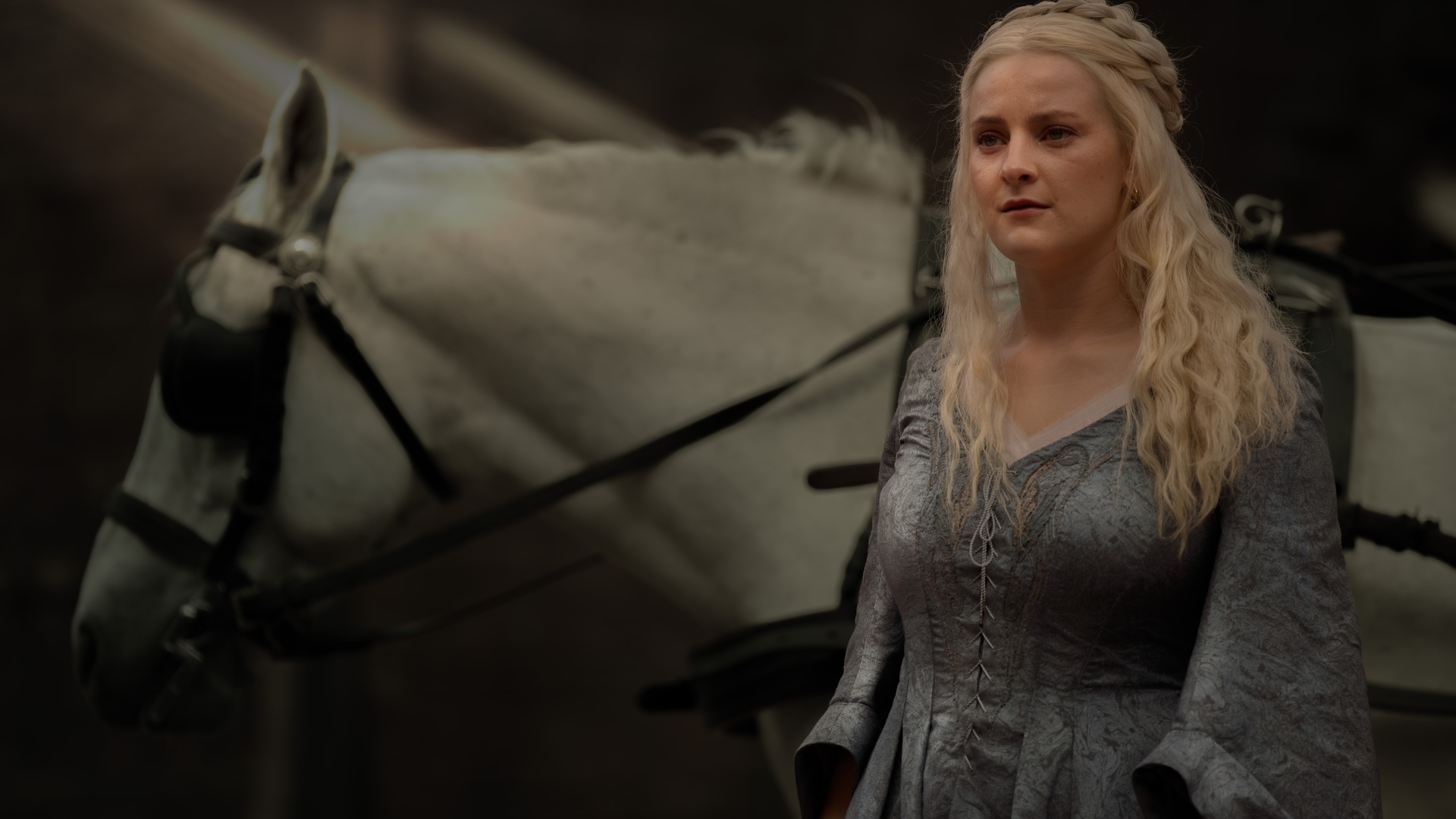
One of the most shocking moments revolves around Helaena Targaryen. Her death feels abrupt and underexplained, raising alarms among fans about storytelling motives. George R.R. Martin himself noted the chaotic nature of her death in an earlier blog post, querying why it was integrated into the narrative without a clear justification. The ambiguity surrounding Helaena's demise underscores the potential pitfalls of adapting complex characters from text to screen.
With Helaena's prophetic visions and unique connections to her family’s legacy, her passing serves both as a catalyst for Rhaenyra's determination and a still-familiar contrast of tragedy. Viewers are left struggling with whether her demise is deserved in the context of her character journey or simply an example of arbitrary storytelling—an unresolved question that lingers long after the credits roll.
Another character whose development raises eyebrows is Alys Rivers, portrayed by Gayle Rankin. Her narrative unfolds in a way that enhances the mystical elements surrounding the Targaryen dynasty, yet her revelations also imply the closing of avenues rather than opening new ones. The emotional gravity of Alys' arc holds exciting potential, but questions remain about how her unique ability to see the future fits into the overarching story. Does her magic enhance the narrative, or does it impede the internal character work needed for storytelling continuity?
As we learn more about Alys, it becomes increasingly essential to explore how her presence—or absence—will shape future plot developments. The balance of magical realism and heartfelt storytelling appears tenuous, but leaves space for speculation about her role in subsequent seasons.
In conclusion, while the finale of House of the Dragon Season 3 showcases intense battles, emotional confrontations, and character revelations, it ultimately stirs mixed reactions from viewers. The series remains committed to exploring the complexities of power, family, and the consequences of ambition, but it sometimes falters in delivering resolutions that fans crave. These elements together lead to a finale that is thrilling yet frustrating, maintaining intrigue in the unfolding saga while posing new questions about character development, plot satisfaction, and narrative clarity.
In sum, House of the Dragon Season 3 wraps up with a tapestry of triumph and tragedy that effectively emphasizes the series’ thematic explorations. However, unresolved story arcs and complex character decisions leave viewers questioning the trajectory of beloved personalities. As we move closer to future seasons, the hope remains for the series to balance its dramatic stakes with coherent storytelling that resonates with fans.
For those interested in further discussions about character arcs and decisions in this season, be sure to check out Helaena's Fateful Turn, the finale explained, and Alys Rivers' role in the series.
Episode breakdown
EpisodeBreakdown may use automated tools to assist research, drafting, and formatting. Published pages are governed by our editorial and corrections policies, and source links are shown when they are available in the article record.
Discovery source: Den of Geek. The source identifies where the topic was discovered; EpisodeBreakdown is responsible for the commentary published on this page.
Reader response
Reactions and poll results are based on real reader responses. No account is required.