Understanding the Box Office Success of 'Hadestown'
This article analyzes Bleecker Street's strategic success with 'Hadestown' through audience data-driven decisions.
Exploring Glen Hansard's profound impact in 'Once,' reflecting on themes of love and music in this iconic film.
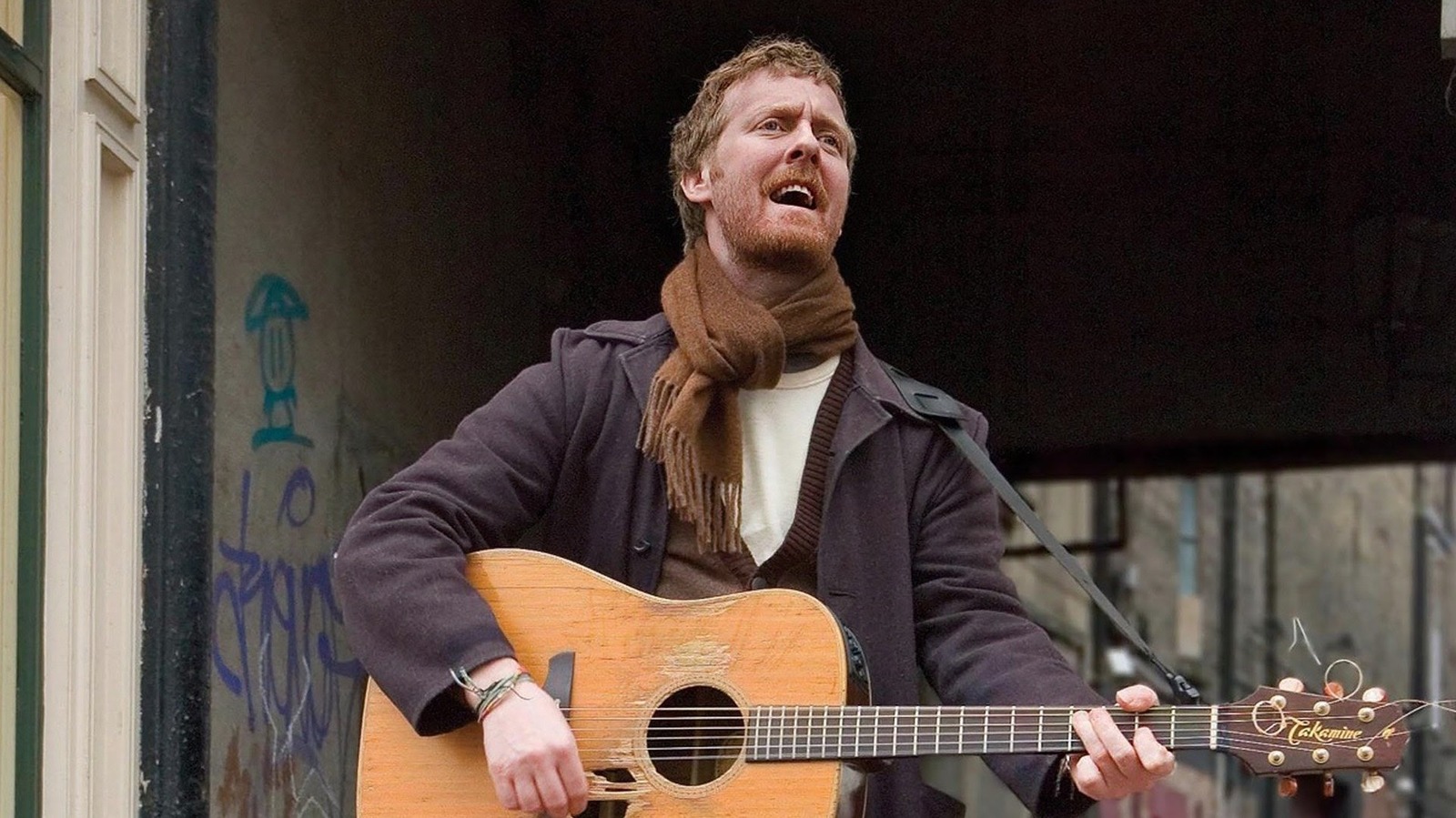
In simple terms, Glen Hansard's performance in the film "Once" serves as a poignant exploration of the intersection between love and music. The movie encapsulates the idea that genuine connection transcends romantic boundaries, focusing on the art of creation rather than romance itself. What happened is that Hansard, alongside Markéta Irglová, crafted a narrative not just about their characters’ lives but also about the intimate experiences they shared through their music.
The crux of the film revolves around two characters, unnamed yet vibrantly depicted through Hansard and Irglová's performances. They bond over their mutual love for music, which becomes a vessel for their emotional expression. Set against the backdrop of Dublin, the film juxtaposes the bustling life of the city with the quiet moments of introspection shared by the protagonists.
The turning point in the narrative occurs when these two musicians, a street busker and a magazine vendor, first meet. Initially, it seems like a chance encounter, but it quickly evolves into a transformative relationship marked by creativity. Their immediate bond, sparked by a shared understanding of life’s ups and downs, reflects the universal language of music.
One of the film's most exhilarating scenes unfolds in a music shop, where the duo shares the song "Falling Slowly." This moment isn’t simply about making music; it’s about finding common ground. This shared passion leads to their decision to collaborate on an album, weaving their stories into a tapestry of sound that echoes their innermost thoughts and experiences.
As Hansard's character engages with Irglová's, tension arises from their unrequited feelings. While there is a strong emotional current between them, their circumstances and past relationships keep them at a distance. The film navigates this complexity by showing that sometimes, the deepest relationships might not fit conventional labels. This ambiguity enhances the poignancy of their connection, setting the stage for a more profound artistic union.
Their collaborative journey is depicted with sincerity, emphasizing the joy of mixing tracks, capturing the perfect take, and experiencing the thrill of creation. Notably, the scene where they evaluate their demo in a moving car solidifies the notion that music’s impact can withstand the trials of everyday life. This equality of experience broadens the film’s themes, suggesting that success isn't solely determined by conventional metrics but by genuine emotional response.
The chemistry between Hansard and Irglová extends off-screen as well; their real-life relationship blossomed parallel to their on-screen one. The success of "Once," propelled by their Oscar-winning song, further established their bond. With growing fame, they embarked on tours that were documented in the film “The Swell Season.” This subsequent portrayal of their lives post-"Once" adds layers to our understanding of their initial connection, showcasing how career pressures impacted their relationship.
The music in "Once" does more than accompany the narrative; it drives the plot and embodies the film's heart. Each song is a stitched piece of the characters' realities, blending their lives into harmonies that young, modern viewers can relate to. The film underscores the shared joys and struggles found within the music industry, emphasizing that the music they create is a mirror to their emotional journeys.
As the film progresses, it becomes apparent that personal circumstances—Hansard's desire to reconnect with an ex in London and Irglová's obligations back in the Czech Republic—stand as barriers to any potential romantic resolution. This decision to abstain from conventional romance is both refreshing and powerful. Their interaction leaves viewers reflecting on the nature of love itself; that sometimes, the most meaningful relationships are those that nurture creativity rather than fulfill romantic expectations.
The film concludes on an open note, an ending that mirrors the unpredictability of life and art. By choosing to capture a moment rather than a resolution, "Once" emphasizes the beauty found within transient experiences.
"Once" stands out in the realm of musical films for its authenticity and emotional depth. It is worth considering other films that integrate music as a narrative device effectively. For instance, movies such as "La La Land" and "A Star is Born" also explore the relationship between personal ambition and romantic entanglement through music. Each of these films showcases how the pursuit of artistic endeavors can complicate or enrich personal relationships, much like Hansard and Irglová's heartfelt journey in "Once."
Glen Hansard's legacy is intricately bound to his performance in "Once," a film that masterfully articulates the juxtaposition of love and creativity. It poses questions about the nature of relationships and their capacity to nurture creativity rather than conform to societal expectations. As we reflect on Hansard's contributions to music and film, "Once" remains a tribute not only to his art but to the timeless, indescribable connection shared through music. This enduring film will continue to resonate with audiences long after Hansard's tragic passing, solidifying its place as one of the best movies ever made about music.
Movie explanation
EpisodeBreakdown may use automated tools to assist research, drafting, and formatting. Published pages are governed by our editorial and corrections policies, and source links are shown when they are available in the article record.
Discovery source: Slashfilm. The source identifies where the topic was discovered; EpisodeBreakdown is responsible for the commentary published on this page.
Reader response
Reactions and poll results are based on real reader responses. No account is required.