movies
The Devil's Mouth
Explore the enduring legacy of 'The Mask,' a cult-favorite that redefined superhero films and sparked ongoing discussions about a sequel.
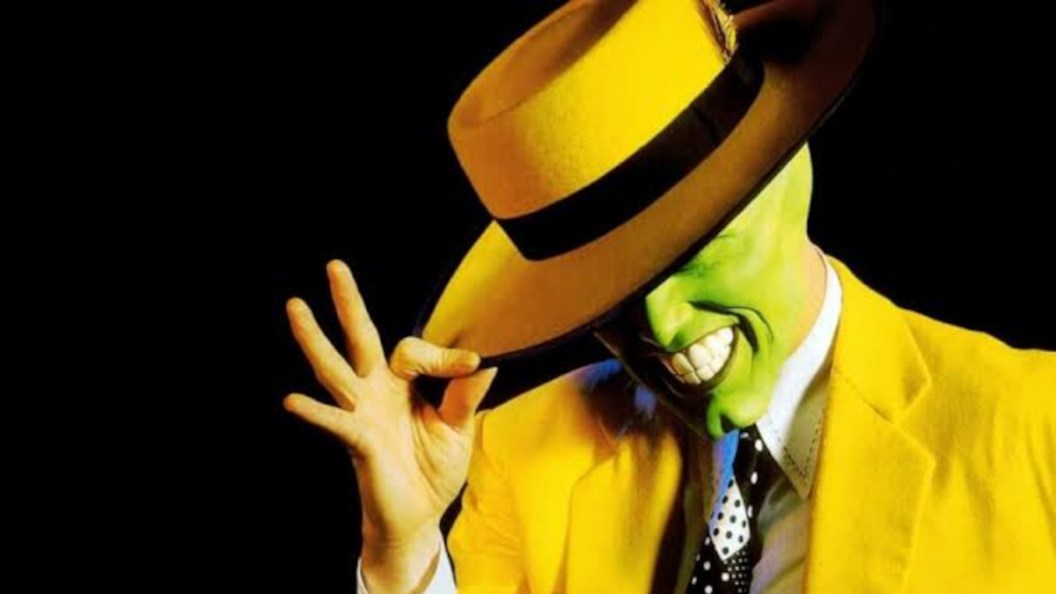
In simple terms, the central question this analysis addresses is why the 1994 film The Mask, starring Jim Carrey, has earned a lasting place in pop culture, even 32 years later. The answer lies in its innovative approach to superhero storytelling, blending comedy with action and offering a unique moral exploration through its characters.
What stands out is how The Mask reinterprets the concept of a superhero. Rather than fitting the mold of traditional caped heroes, it presents a protagonist whose superpowers stem from the surreal and comedic. The film strikes an uneasy balance between lighthearted humor and underlying themes of personal identity, making it relatable even in its absurdity.
The film revolves around Stanley Ipkiss, played masterfully by Jim Carrey, who discovers a mask that grants him extraordinary powers, yet prompts a battle for his sanity. This transformation marks a critical turning point, showcasing the conflict between the mild-mannered bank clerk's repressed desires and his zany alter ego.
Throughout the film, Stanley's transformation into The Mask serves as a metaphor for the liberation and chaos that can arise when one embraces their innermost desires—though with consequences. The character's journey is not just about gaining powers but about navigating the complexities of identity and morality.
Unlike the darker themes found in the original comic book series, The Mask comedy capitalizes on slapstick and visual gags, bringing to life a type of humor that resonates with a broad audience. The comic, created by Mike Richardson and published by Dark Horse Comics, was more aligned with horror, structured around the grim toll that wearing the mask exacts on the wearer.
While the darker tone of the comics might have alienated mainstream audiences, the film took the opportunity to reframe the narrative, opting for irreverent fun. Jim Carrey's unique brand of humor, characterized by rapid-fire jokes and dynamic physicality, allows the movie to express profound themes of freedom and self-acceptance in a way that is entertaining and engaging.
The financial success of The Mask is impossible to overlook, grossing over $350 million worldwide on a budget of approximately $20 million. This remarkable performance placed it among the top 10 highest-grossing films of 1994, alongside cinematic giants like The Lion King and Forrest Gump. Its box office triumph, alongside the talent of Carrey and the film's innovative approach to storytelling, cemented The Mask as a cornerstone of ’90s cinema.
Additionally, the film gave rise to a legacy that includes a television series and spin-off comics, underscoring its cultural footprint. Despite the less-than-stellar reception of Son of the Mask, which failed to capture the magic of the original, the continued interest expresses a yearning for the unique blend of storytelling that The Mask offered.
The conversation surrounding a sequel has persisted over decades, fuelled by the nostalgia of its fans and interest from the original cast. Jim Carrey and Cameron Diaz have both indicated interest in returning, suggesting that a proper sequel could re-explore the narrative landscape established in the original film. Carrey's repeated expressions of interest in reviving Stanley Ipkiss point to a genuine desire to return to a character that brought him so much success, and director Chuck Russell has characterized the idea of a sequel as a "lovely idea."
This ongoing dialogue illuminates how The Mask continues to resonate with audiences. Recognizing its impact, the original cast's desire to return demonstrates the film's broader implications on identity and freedom and underscores a timelessness that allows it to linger in discussions surrounding superhero films.
The film concludes with a climactic showdown that intertwines the fates of Stanley, the mask, and Tina Carlyle. This final act serves not only as a narrative resolution but solidifies Stanley's transformation journey. He ultimately embraces who he is, symbolized by rejecting the mask's chaotic allure to reclaim his life and love.
The resolution mirrors the film's exploration of duality, emphasizing the idea that while the mask grants him power, it is Stanley's inherent qualities—his kindness and courage—that truly define who he is. Such themes resonate deeply in today's climate, highlighting contemporary conversations about authenticity in a world that often pressures individuals to mask their genuine selves.
The relevance of The Mask today lies not merely in nostalgia but in its compelling take on identity and morality within a superhero framework. Its blend of comedy, action, and deeper themes ensures it stays significant in the broader landscape of superhero films. As discussions of a sequel intensify, there is immense potential for a revival that captures the quirky charm and transformative freedom of the original while engaging a new generation.
As the landscape of superhero cinema evolves, revisiting a character that shaped early perceptions of the genre could offer fresh insights on the still-relevant themes of freedom, identity, and societal expectations.
Movie explanation
EpisodeBreakdown may use automated tools to assist research, drafting, and formatting. Published pages are governed by our editorial and corrections policies, and source links are shown when they are available in the article record.
Discovery source: ComicBook.com. The source identifies where the topic was discovered; EpisodeBreakdown is responsible for the commentary published on this page.
Reader response
Reactions and poll results are based on real reader responses. No account is required.
Kathryn Newton discusses her role in 'The Devil's Mouth' and her ongoing journey in the horror genre as well as her new project 'Avengers: Doomsday.'