Understanding the Box Office Success of 'Hadestown'
This article analyzes Bleecker Street's strategic success with 'Hadestown' through audience data-driven decisions.
Tom Holland reveals his struggles with an early cut of 'Spider-Man: Brand New Day' that incorporated studio feedback but missed the mark creatively.
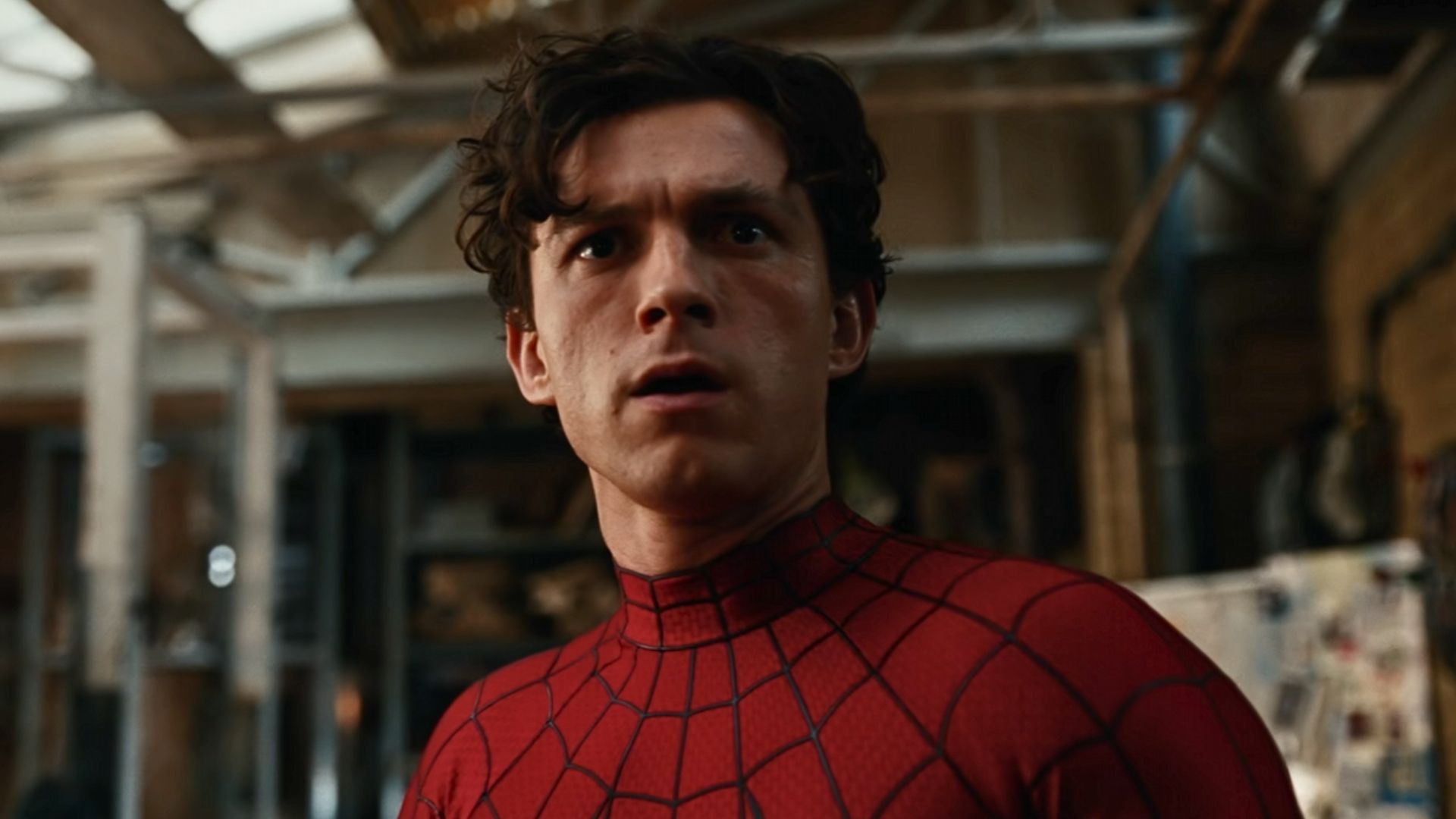
In simple terms, Tom Holland expressed significant dissatisfaction with an early cut of 'Spider-Man: Brand New Day.' The version he disliked incorporated feedback from test audiences but ultimately didn’t reflect the creative vision that Holland and director Destin Daniel Cretton intended. This reveals a crucial tension between studio demands and artistic integrity, raising a central question: How do filmmakers balance audience feedback with their original vision?
One confirmed detail from Holland's insights indicates that the studio, in striving for commercial success, took extensive notes during test screenings. Many filmmakers in the industry face similar dilemmas, where the voice of the audience can force a reworking of a movie that may not align with the creators' original ideas. Holland's experience underscores that while audience feedback can be valuable, it doesn’t always lead to the best artistic outcome.
The frustrations Holland noted stemmed from the fact that test screenings often involve a diverse audience whose criteria might not resonate with the themes and narrative depth that creators wish to explore. The choice to revise the film based on varied feedback emphasizes the challenging landscape of filmmaking, especially within franchises that carry substantial cultural weight like Spider-Man.
Another notable aspect of Holland’s comments is the level of creative control he managed to gain over 'Brand New Day.' Unlike many actors in the MCU, who typically have limited influence over the final product, Holland took proactive steps to ensure that the latest Spider-Man film resonated with its audience while retaining core themes. His research into fan reactions to earlier Spider-Man installments served as a reference point in shaping the sequel's narrative.
This proactive stance is especially significant when considering how previous entries in the MCU and Sony’s Spider-Man series have been received. By addressing fan criticisms rather than simply delivering a formulaic superhero narrative, Holland and his team aimed to craft a more cohesive and engaging story.
The evolution of Spider-Man's character offers fertile ground for exploration in 'Brand New Day.' Holland’s approach to developing this character was shaped not only by audience expectations but also by his collaboration with seasoned filmmakers like Christopher Nolan on 'The Odyssey.' The takeaway from Holland’s collaboration is clear: thorough preparation and understanding the underlying motivations behind storytelling can lead to a much richer character arc.
In the context of the Spider-Man franchise, Holland’s desire to explore deeper themes within the character’s journey reveals a stark contrast to earlier interpretations that sometimes leaned heavily on surface-level pandering. This maturation showcases a conscious effort to reposition Spider-Man narratives for contemporary audiences.
What’s particularly revealing about Holland's experience is his acknowledgment of mistakes from the early cut. The idea that lessons learned from a seemingly dire situation—in this case, a disliked cut—can be transformative for a film resonates deeply within the filmmaking community. Holland noted that the final product was a distilled version of numerous iterations that he and Cretton were ultimately satisfied with. This points to a broader message: adversity in the creative process isn’t inherently disastrous; it can often lead to the most authentic storytelling.
Moreover, the notion that a film undergoes numerous edits emphasizes the common struggle many cinematic works face. The iterative process is an essential part of refining art, as evidenced by Holland’s journey through the early cuts of 'Brand New Day.'
What remains unknown, however, are the specific changes made to the film after the feedback and Holland’s personal insights into the negotiation process. The adjustments might have been significant, considering the wide array of feedback received. However, as Holland pointed out, both Marvel and Sony eventually embraced the insights gained from iterations, ensuring that the release would better reflect the collaborative vision.
In conclusion, Holland's openness about his dissatisfaction with early cuts of 'Spider-Man: Brand New Day' reveals not only the tensions present in the filmmaking process but also the transformative potential inherent in creative setbacks. The industry's reliance on audience feedback can catalyze productive discussions between studios and filmmakers, leading to more nuanced narratives. This ongoing challenge of balancing commercial viability with artistic freedom is a perennial theme in Hollywood, and Holland’s reflections on this dynamic underscore a shifting paradigm where creativity can flourish amid constraints.
For more insights on Spider-Man's evolution and creative challenges in the MCU, check out our articles on the Spider-Man franchise's past and what we can expect from future crossovers, like Spider-Man and Venom.
Movie explanation
EpisodeBreakdown may use automated tools to assist research, drafting, and formatting. Published pages are governed by our editorial and corrections policies, and source links are shown when they are available in the article record.
Discovery source: MovieWeb. The source identifies where the topic was discovered; EpisodeBreakdown is responsible for the commentary published on this page.
Reader response
Reactions and poll results are based on real reader responses. No account is required.