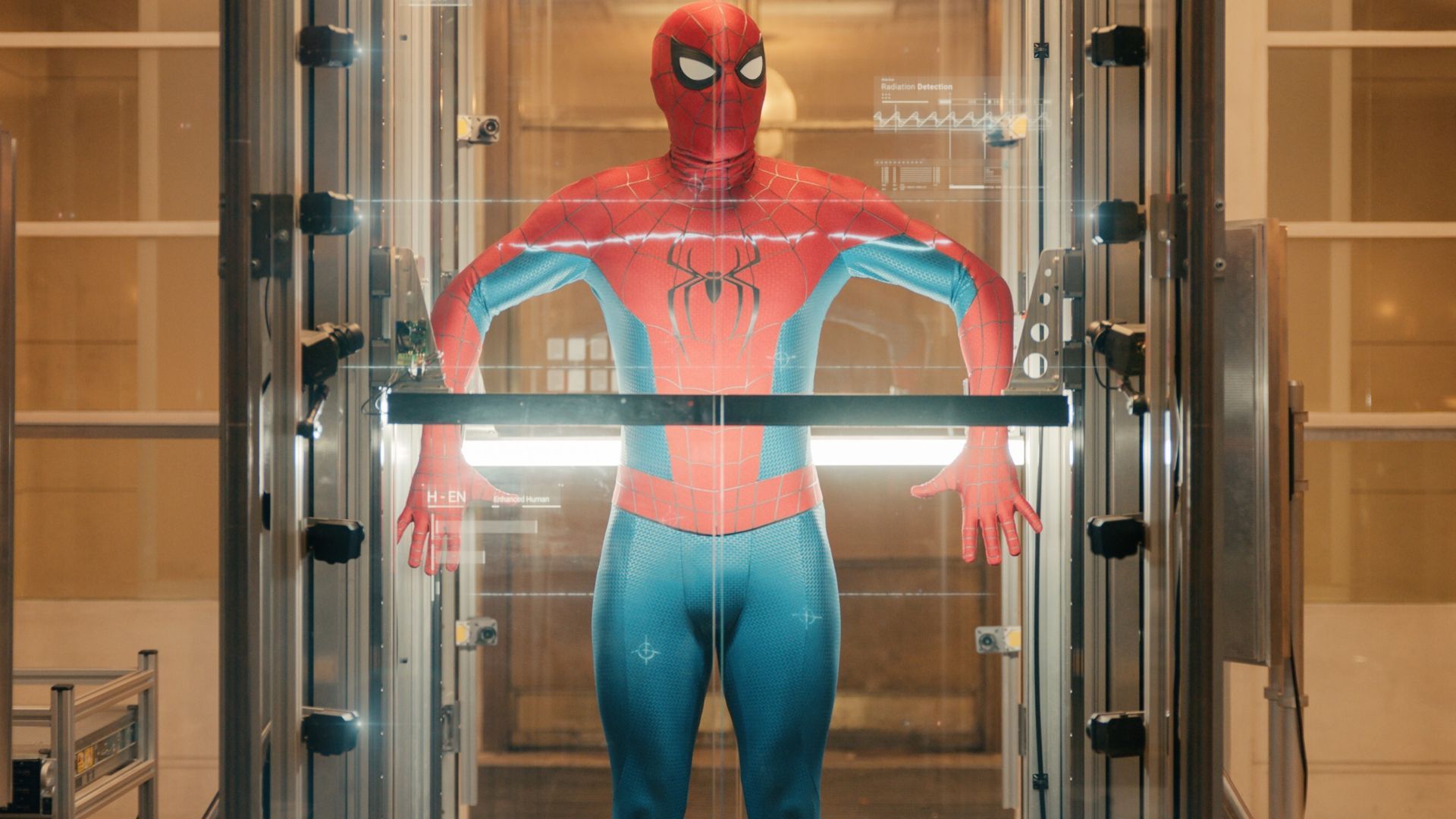
Exploring Spider-Man: Brand New Day's Impact on Cinema
Analyzing the themes, character dynamics, and record-breaking success of 'Spider-Man: Brand New Day'.
This analysis delves into the greatest high-concept sci-fi films exploring profound themes, character journeys, and enigmatic endings.

In simple terms, the greatest high concept sci-fi movies ask bold questions about humanity and existence, compelling viewers to explore profound themes through complex narratives. These films stand out because they not only present extraordinary concepts but also intertwine them with relatable human experiences, creating lasting emotional connections. The exploration of identity, love, time, and technology resonates deeply, making these films unforgettable.
This exploration will focus on five paramount high concept sci-fi films: 2001: A Space Odyssey, Inception, Arrival, The Matrix, and Interstellar. Each film is notable not just for its high concept, but also for how it explores philosophical queries about existence, technology, and time.
Stanley Kubrick's 2001: A Space Odyssey is celebrated for its groundbreaking visuals and non-traditional narrative. The film explores humanity's evolution and contact with extraterrestrial intelligence through the enigmatic monolith. Viewers are offered a rich tapestry of symbolism that invites interpretation—what is the nature of consciousness and progress? The gorgeously choreographed space scenes, set against a classical soundtrack, create a transcendent experience that transcends typical narrative structures. While difficult to grasp, the film's ambiguity serves to engage the audience’s intellect, leading to countless interpretations that only enhance its legacy. Notably, it has set a benchmark in cinematic techniques, influencing countless filmmakers.
Christopher Nolan's Inception revolves around a group of skilled thieves who invade the subconscious of their targets. The central question focuses on the nature of reality and dreams, asking: how do we discern between what is real and what is fabricated? Inception's complex lore captivates audiences by engaging them in a heist narrative that seamlessly unravels layers of dreams, all while maintaining a deep emotional core centered on Cobb’s struggle with his past. The film effectively blends a visceral sensory experience with an intellectual puzzle that leaves viewers questioning long after the credits roll. Additionally, its complex ending, where Cobb's spinning top remains ambiguous, perfectly encapsulates the theme of subjective reality.
Denis Villeneuve’s Arrival shifts the focus from traditional sci-fi tropes of action to a more introspective narrative centered on communication and perception of time. The film challenges conventional storytelling with its non-linear approach, presenting a linguist’s struggle to communicate with alien visitors. What is revealed in this journey is profound: understanding language transforms how we perceive time and grief. The emotional arc of Louise resonates deeply as it juxtaposes a scientific inquiry with a heart-wrenching story about loss and acceptance. Its ending ties together the threads of time, perception, and human experience, reinforcing the idea that love transcends temporal boundaries.
The Matrix, directed by the Wachowskis, presents a dystopian future where humanity is unknowingly trapped in a simulated reality. It raises pertinent inquiries regarding identity, freedom, and the nature of reality itself. The film's themes of control and liberation are mirrored in its iconic aesthetic and action sequences, including the well-known 'bullet time' effect. By questioning what is real, The Matrix resonates in today's digital age, where the line between reality and illusion grows increasingly blurred. Its philosophical underpinnings have prompted debates on existentialism and technology's role in our lives, establishing it as a cultural landmark.
Finally, Christopher Nolan’s Interstellar expands upon high concepts through a deeply emotional lens of familial bonds. The narrative follows NASA pilot Cooper as he seeks habitable planets for humanity, but it is his relationship with his daughter Murph that drives the film's emotional power. The exploration of time dilation creates fascinating paradoxes but ultimately highlights the enduring strength of love. Through visually stunning depictions of space and time, Nolan invites audiences to reflect on the human experience amidst scientific wonders. The ending, where Cooper’s fate intertwines with Murph’s future, reinforces themes of sacrifice and hope as he transcends time to guide her.
Each of these films exemplifies how high concept sci-fi can resonate on multiple levels. They explore the vastness of human emotion and intellect while addressing pressing questions that pulse at the heart of our existence. The genius of these filmmakers lies in their ability to construct complex narratives that linger long after viewing, prompting viewers to contemplate their own realities and the nature of life itself.
The enduring appeal of these high concept sci-fi films suggests that audiences are not just seeking entertainment, but also a deeper understanding of themselves and the world around them. As technology continues to evolve and the nature of reality grows more complex, the themes presented in these films will remain relevant, challenging new generations to explore existential questions. For further exploration of similar themes, check out articles like Elysium: An In-Depth Analysis of Matt Damon’s Sci-Fi Classic and Exploring the Best Sci-Fi Movies of 1986: A Deep Dive.
Movie explanation
EpisodeBreakdown may use automated tools to assist research, drafting, and formatting. Published pages are governed by our editorial and corrections policies, and source links are shown when they are available in the article record.
Discovery source: CBR Movies. The source identifies where the topic was discovered; EpisodeBreakdown is responsible for the commentary published on this page.
Reader response
Reactions and poll results are based on real reader responses. No account is required.