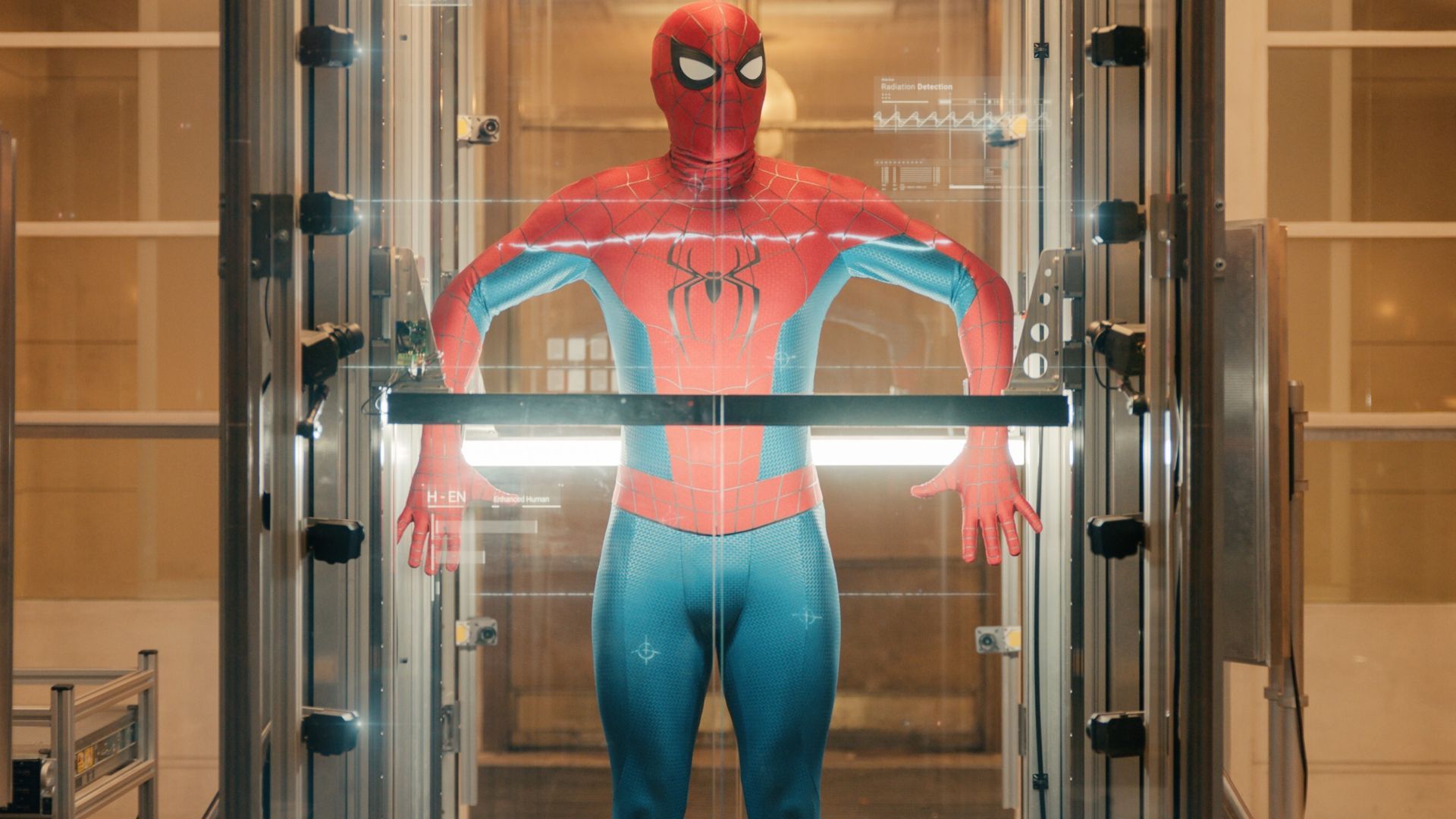
Exploring Spider-Man: Brand New Day's Impact on Cinema
Analyzing the themes, character dynamics, and record-breaking success of 'Spider-Man: Brand New Day'.
This analysis explores Paramount and WB's efforts to revive the iconic horror franchise, A Nightmare on Elm Street.
In simple terms, there are two competing projects in development aimed at reviving the iconic horror franchise, A Nightmare on Elm Street. One project is being spearheaded by Paramount, while Warner Bros is pursuing its own version. This scenario opens the door to an intriguing discussion about the future of Freddy Krueger and his legacy in cinema.
What happened is a direct response to the enduring popularity of horror films and iconic characters. With both studios racing to rekindle the flame of A Nightmare on Elm Street, fans may soon witness a fresh take on Freddy Krueger, who first terrified audiences in the 1980s. Bringing a new level of depth and modernization, each studio may pursue different interpretations, which could lead to a cultural resurgence of this horror classic.
The primary turning point in this speculative revival of A Nightmare on Elm Street is the apparent competition between Paramount and Warner Bros. This rivalry may lead to two vastly different portrayals of Freddy Krueger, creating a unique cinematic landscape for a character who has historically embodied nightmares and childhood fears.
Confirmed details remain thin at this point. Paramount and Warner Bros have not released specific information regarding the tone, scripts, or casting choices involved in their projects. It is still unknown whether they aim to create a direct sequel to earlier films, reimagine the character, or potentially start anew with a fresh narrative framework.
The differing motivations between the studios can drive diverse approaches to character development and thematic exploration. While one studio might lean into the slasher elements, embracing Krueger's menacing persona, the other might focus on psychological horror, utilizing the character's backstory to explore deeper themes like trauma and guilt. This theatrical tension may redefine how modern audiences perceive the age-old battle between good and evil in the dreamscape.
A key theme inherent in A Nightmare on Elm Street is the intersection of dreams and reality—a concept that could be reinvigorated by these dueling projects. As implications surrounding mental health and trauma come into sharper focus in modern storytelling, the narrative may shift to explore deeper psychological elements. The idea of being victimized in one’s dreams becomes intensely relatable, echoing real-life fears that transcend generational divides.
This thematic exploration could reveal how trauma, particularly that which resides in our subconscious, shapes our perceptions of reality. Given the complexities involved in the human psyche, both studios may delve into fresh character arcs that illustrate these struggles poignantly, enriching the narrative landscape of A Nightmare on Elm Street.
Fans of the franchise may find clues within the established narrative of A Nightmare on Elm Street’s previous iterations. The original series has laid a bedrock of lore that could inspire the new films. Elements such as Krueger's backstory, the lore of the Elm Street neighborhood, and the persistent themes of losing control within dreams are ripe for reinterpretation.
Moreover, subtle allusions to societal concerns—such as the impact of parental neglect and abuse—could resurface. These poignant themes are especially relevant today and would showcase how the new projects can resonate with contemporary audiences while acknowledging the franchise's rich history.
Though concrete details about how either film might conclude are lacking, the nature of horror often invites a critical look at justice versus vengeance. Krueger's character has always hovered in a morally ambiguous space, eliciting sympathy despite his role as a villain. The films can conclude in multiple fashions, potentially challenging viewers to reconsider traditional narratives of good triumphing over evil.
The widening lens of storytelling might lead to an ending that promotes a more nuanced dialogue surrounding forgiveness, revenge, or acceptance, leaving audiences contemplating ethical dilemmas long after the credits roll.
In observing the trajectory from past to present, these potential conclusions serve as reminders of how horror films evolve alongside fluctuations in public sentiment, cultural shifts, and individual experiences.
As the landscape of horror continues to expand, the status of Freddy Krueger reflects a broader commentary on contemporary fears. Movies like A Nightmare on Elm Street have always functioned as cultural mirrors, reflecting societal anxieties and personal struggles. The race between Paramount and Warner Bros suggests not only a revival of an old franchise but also a renewed examination of what frightens us at our core.
With horror increasingly emphasizing psychological nuance alongside gore, the reimagining of Freddy Krueger could lead to a resurgence in the genre that respects its origins while innovating narratives to fit the zeitgeist.
Given the layered histories and connections to past narratives, filmmakers from both studios have the potential to craft stories that resonate deeply with both longtime fans and newcomers alike. The battle of perspectives becomes a compelling canvas for horror itself.
The competition between Paramount and Warner Bros to revive A Nightmare on Elm Street underscores a burgeoning renaissance within the horror genre, driven by nostalgia and fresh insights. The ultimate outcomes of these projects are still uncertain, but the possibility of contrasting interpretations sets a thrilling stage for exploring both Krueger's nightmares and our own.
As these dueling films progress, audiences can expect to see a blend of tradition and innovation, potentially recasting Freddy Krueger not only within the confines of horror but also as a larger metaphor for contemporary fears. Stay tuned for updates surrounding what the future holds for this iconic character and the legacy of A Nightmare on Elm Street.
Movie explanation
EpisodeBreakdown may use automated tools to assist research, drafting, and formatting. Published pages are governed by our editorial and corrections policies, and source links are shown when they are available in the article record.
Discovery source: JoBlo. The source identifies where the topic was discovered; EpisodeBreakdown is responsible for the commentary published on this page.
Reader response
Reactions and poll results are based on real reader responses. No account is required.