Spider Man
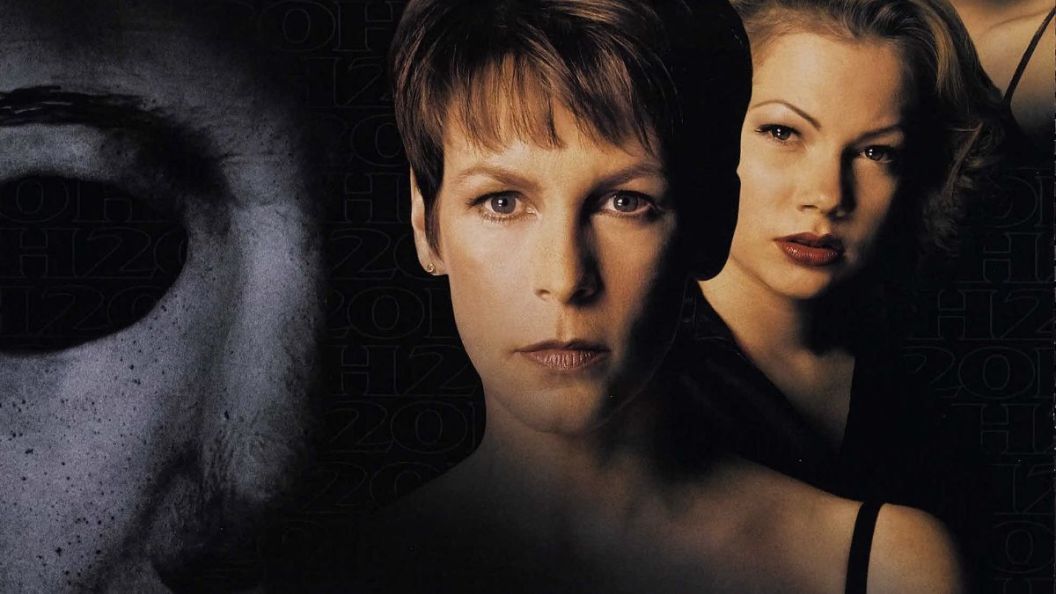
Halloween Franchise: A Cycle of Reboots and Diminished Returns
The Halloween franchise's obsession with reboots has created a cycle of diminishing returns, frustrating fans and complicating its legacy.
Dive into Hayley Kiyoko's insights on 'Girls Like Girls' and her mission to spotlight women's narratives in cinema.
In an inspiring episode of "Women in Focus Features," singer-actress-writer-director Hayley Kiyoko discusses her work on the groundbreaking short film "Girls Like Girls." The film, now iconic in the LGBTQ+ community, highlights the importance of centering queer narratives in mainstream cinema, especially those that focus on women's experiences. Kiyoko’s work stands as a testament to the powerful impact that storytelling can have in fostering understanding and acceptance.
Hayley Kiyoko reflects on her experiences working on "Girls Like Girls," emphasizing the importance of representation in film. She advocates for more women's stories to be told, especially those that showcase love and identity in the LGBTQ+ community. Kiyoko’s insights offer crucial perspectives on how narratives can shape societal views on gender and sexuality.
"Girls Like Girls" revolves around a bittersweet tale of teenage love and self-discovery. It captures the moment when two young girls, best friends, begin to confront their feelings for each other amidst personal struggles and societal expectations. This coming-of-age narrative not only explores the pangs of first love but also delves deep into the complexities of identifying as queer in a world that often doesn't understand.
Kiyoko, who also stars in the film, draws from personal experiences to create a relatable narrative that resonates with audiences. The film's cinematic language aims to bridge the gap between real-world struggles and the emotional offerings of youth, making it a heartfelt experience.
The film features two central characters: the introspective and artistic character portrayed by Kiyoko and her more extroverted friend. Their dynamic showcases the nuances of friendship evolving into something deeper. Throughout the film, viewers explore the characters’ struggles with identity and their pursuit of love in a world that may not always accept them, making their journey both relatable and poignant.
As the film progresses, the chemistry between the characters is palpable, offering a raw and honest portrayal of young love. They depict the fears and joys of exploring romantic feelings, characterized by both tenderness and uncertainty.
As per our understanding of Kiyoko’s viewpoints in various discussions about her works, including "Girls Like Girls," the film likely concludes on a note of hopeful realization, though not without heartache. The characters are left at a crossroads, illustrating that love may not always come easy, especially against societal barriers. This resonates particularly with viewers who have navigated similar journeys, embodying the struggles of coming to terms with one’s emotions.
The open-ended nature of the storyline emphasizes that the path to self-acceptance and love is ongoing. Viewers walk away with the message that while challenges may exist, the beauty found in relationships and self-discovery is invaluable. Kiyoko’s artistic vision exemplifies the reality that happiness and acceptance can coexist with difficulties.
Given Kiyoko’s dedication to storytelling, one might speculate about the direction of her future projects. With a growing awareness of LGBTQ+ stories in media, there’s potential for more narratives that center around queer experiences, particularly those involving women. Kiyoko is likely poised to further explore this theme, perhaps delving into more complex aspects of love and relationships,
Future narratives could take different forms—from exploring deeper character backgrounds to examining the intersections of identity, race, and sexuality. Kiyoko's commitment to authenticity in her storytelling suggests that her upcoming projects may aim to inspire and empower others, further solidifying her role as a key figure in the representation of marginalized voices.
Currently, the representation of women and queer narratives in film has gained significant traction, as audiences seek more diverse stories. Kiyoko’s work resonates with contemporary social movements that emphasize inclusivity and acceptance. As platforms for storytelling evolve, so does the demand for authentic portrayals of women's lives and LGBTQ+ relationships.
Additionally, conversations surrounding gender and sexuality continue to dominate social media, leading to a renewed interest in films that push these boundaries. Kiyoko’s insight into the necessity of women's stories positions her as not only a creative force but also a spokesperson for the next generation of filmmakers, fostering discussions around diversity in storytelling.
Hayley Kiyoko's reflections on "Girls Like Girls" shed light on a crucial aspect of contemporary cinema—giving voice to underrepresented groups. By centering women's stories and queer romances, Kiyoko contributes to a growing movement that champions narratives which have long been sidelined. As audiences express a desire for authenticity and realism in storytelling, Kiyoko's work stands at the forefront of this cinematic evolution.
In celebrating women’s experiences and emotions, Kiyoko encourages a more inclusive film landscape that acknowledges the richness of diverse stories. Her dedication to amplifying queer narratives not only entertains but also educates, leaving a lasting mark on the film industry and its audiences. We look forward to seeing how her journey unfolds and the stories she continues to share in the future.
Movie explanation
EpisodeBreakdown may use automated tools to assist research, drafting, and formatting. Published pages are governed by our editorial and corrections policies, and source links are shown when they are available in the article record.
Discovery source: Rotten Tomatoes News. The source identifies where the topic was discovered; EpisodeBreakdown is responsible for the commentary published on this page.
Reader response
Reactions and poll results are based on real reader responses. No account is required.
Explore the dynamics behind the soaring success of the highest-grossing films, revealing trends and standout moments in cinematic history.