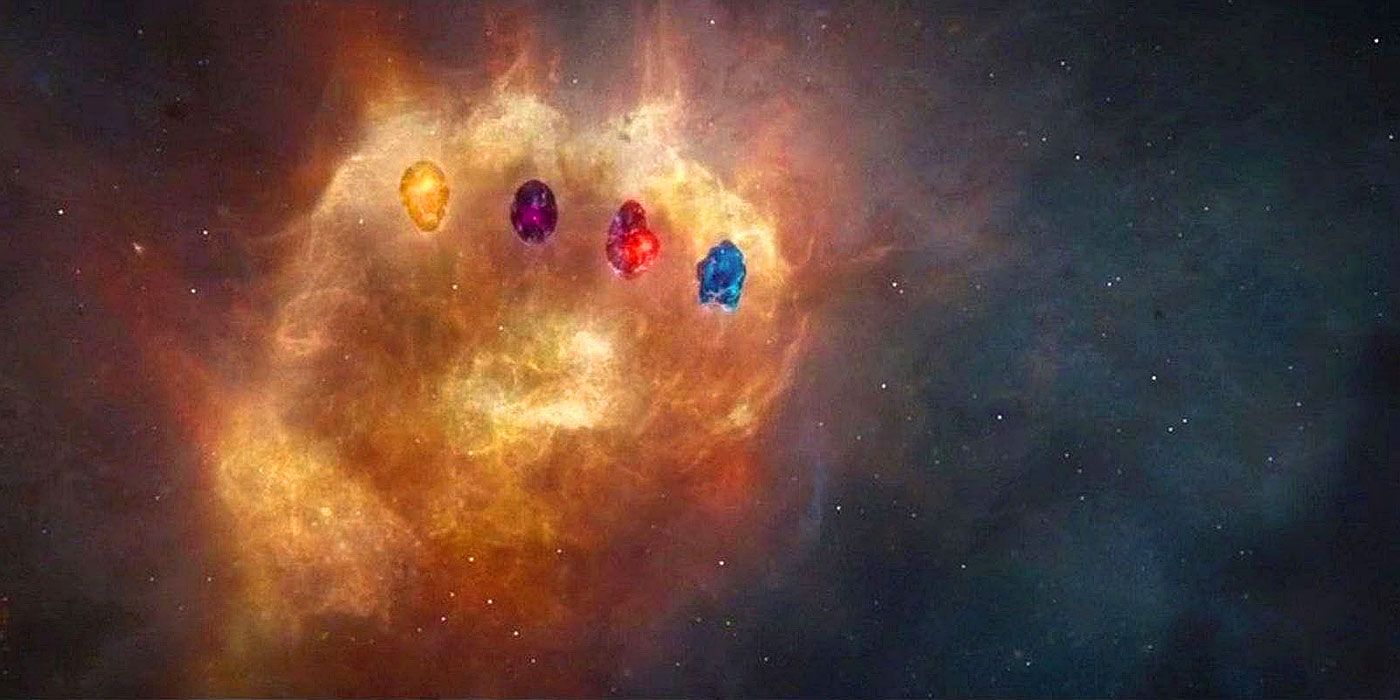
Spider-Man: Brand New Day Introduced The Mutant Saga's Power Inhibitors
This analysis explores the intricate revelations in Spider-Man: Brand New Day, particularly the impact of power inhibitors on the MCU's future.
Dive into James Stewart’s impactful roles in Westerns, exploring themes of morality, identity, and the genre's evolution through his performances.
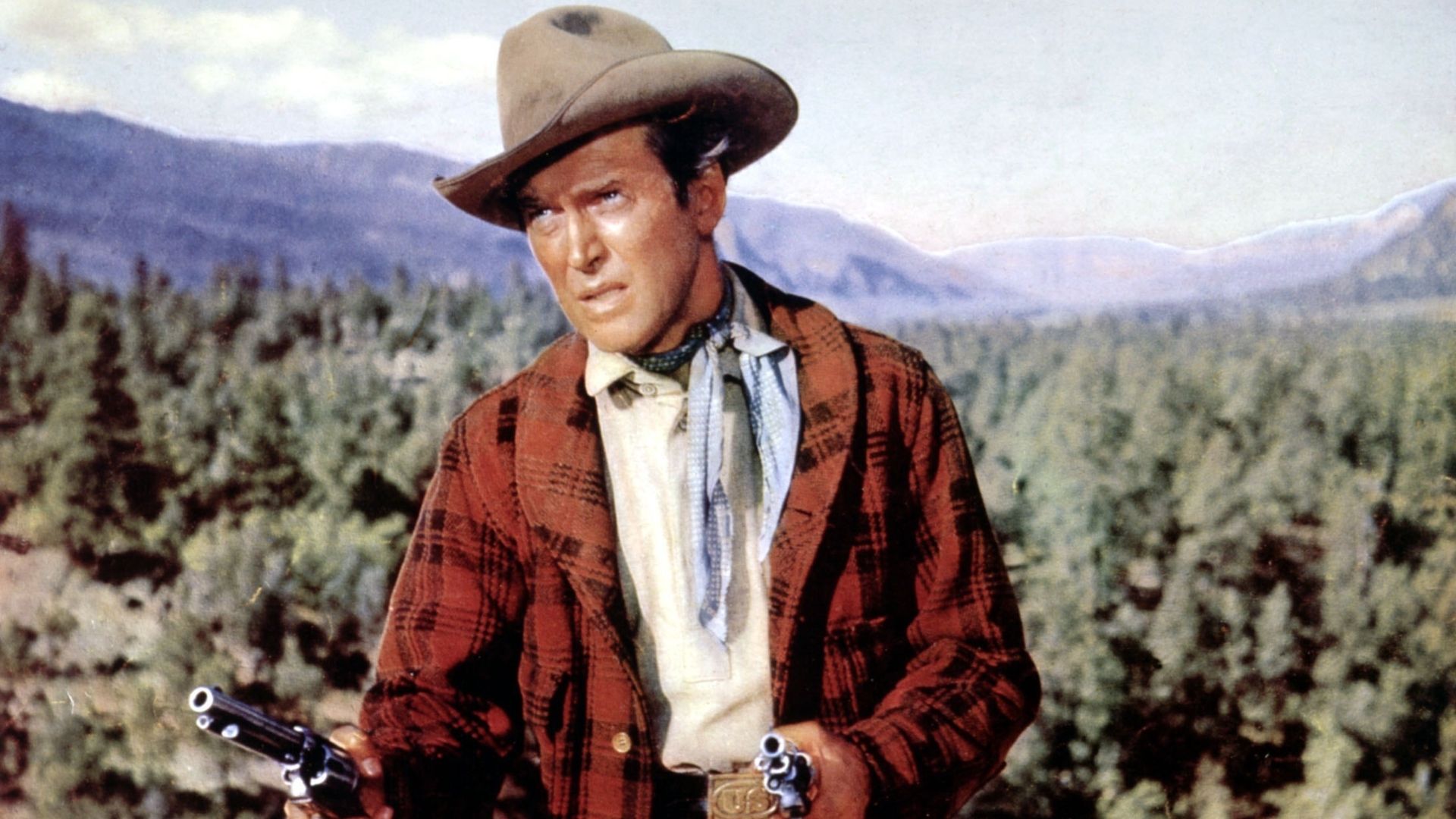
James Stewart is widely celebrated for his roles in Western films, central to shaping the genre’s identity. In simple terms, the core question this exploration seeks to answer is: How did Stewart redefine the Western hero throughout his filmography? The answer lies in his nuanced performances that depicted complex emotions, contrasting moral landscapes, and a persistent challenge to traditional archetypes.
James Stewart’s portrayal of Western characters underwent a significant transformation across his career. Initially recognized as the quintessential wholesome hero, Stewart gradually ventured into darker, more morally ambiguous portrayals. This shift is especially evident in his collaborations with acclaimed director Anthony Mann, where he consistently dismantled his previous typecasting. For instance, in Winchester '73, Stewart embodies a character that navigates themes of obsession and revenge, marking a departure from his earlier roles that emphasized optimism and decency.
Stewart’s character in Winchester '73 revolves around the journey of a rifle passed from owner to owner, connecting various lives and revealing deeper truths about humanity. This storytelling approach highlights Stewart’s ability to portray layered emotions, resulting in a dynamic performance that resonates with audiences. Unlike the straightforward heroics typical of earlier Westerns, Stewart’s character grapples with darker impulses, allowing the film to explore themes of moral complexity and consequence.
In The Naked Spur, Stewart plays bounty hunter Howard Kemp, driven by personal obsession as he chases a fugitive. This quest strips the narrative down to its essentials, focusing the audience's attention on the relational dynamics and the character's internal struggles. Stewart’s serene demeanor meets unsettling motivations, creating a rich emotional texture that defines his work in this genre.
What often elevated Stewart's performances was his chemistry with co-stars, particularly in Destry Rides Again, where he plays Deputy Tom Destry Jr. opposite Marlene Dietrich’s Frenchy. Here, Stewart’s subversion of the typical Western archetypes—a lawman who refuses to carry a gun—adds a refreshing layer to the genre. The interplay of humor and earnestness in his interactions with Dietrich mirrors the Western’s evolution from pure action to a space exploring emotional relationships.
Conversely, The Far Country set against the backdrop of the Klondike Gold Rush, presents Stewart as Jeff Webster, a cattle driver reluctant to engage in communal conflicts. This setting accentuates the theme of isolation that resonates throughout Stewart's Westerns. His character’s journey reflects an internal struggle against societal expectations that shapes his ultimate decisions. Stewart's performances become not only a reflection of the rugged Western terrain but a metaphor for the characters' emotional landscapes.
In films like The Man Who Shot Liberty Valance, Stewart’s portrayal of Ransom Stoddard juxtaposes an idealistic vision of the American frontier against the harsh realities of lawlessness. His character’s gradual moral decline underlines a reflective commentary on the myths surrounding heroism in the West. Stewart’s ability to imbue Stoddard’s failure with a poignant sense of disillusionment renders this film a landmark of American cinema, one that challenges viewers to rethink the foundation of Western mythology.
In Shenandoah, Stewart plays a father trying to navigate family while resisting the conflicts of the Civil War, bringing a raw emotional weight to his character that embodies the film’s themes of familial duty versus personal conviction. This conflict becomes especially pronounced as his world is challenged by external forces. His ultimate resolve underscores how intimately Stewart’s characters grapple with their principles amid societal chaos, cultivating a lasting emotional impact.
Cinematographer and director Anthony Mann masterfully employed the American frontier’s vast landscapes to reflect the characters’ emotional journeys in films like The Man from Laramie. Stewart’s portrayal of Will Lockhart showcases a balance of controlled menace that is perfectly juxtaposed against the grand cinematic backdrop. The visual scale amplifies his character’s obsessive quest for revenge, leaving a profound impact that lingers long after the film concludes.
Stewart’s legacy in the Western genre is one of transition and becoming. Instead of relying on the well-worn paths of heroism, he encapsulated the complexities of human emotion, embodying characters that challenged the very definitions of morality in a changing world. His work isn’t merely confined to entertainment; it serves as commentary on the human condition.
What this means is that Stewart's Westerns ask viewers to engage on a deeper level, blending action with ethical dilemmas and emotional depth. This duality remains a hallmark of his performances and the genre as a whole, influencing countless filmmakers in the decades since. The Westerns of James Stewart are not just classics; they are masterclasses in the art of storytelling, where the genre's true potential is explored.
The ongoing appreciation for Stewart's contributions continues to inspire new generations of filmmakers and audiences alike. His strategic defiance of archetypal roles paved the way for more complex characters in Western cinema, ensuring that his influence will remain a significant part of film discourse. By revisiting Stewart's work, both old and new audiences can further investigate what these narratives reveal about society, heroism, and the human experience itself.
Movie explanation
EpisodeBreakdown may use automated tools to assist research, drafting, and formatting. Published pages are governed by our editorial and corrections policies, and source links are shown when they are available in the article record.
Discovery source: MovieWeb. The source identifies where the topic was discovered; EpisodeBreakdown is responsible for the commentary published on this page.
Reader response
Reactions and poll results are based on real reader responses. No account is required.