Spider-Man: Brand New Day Introduced The Mutant Saga's Power Inhibitors
This analysis explores the intricate revelations in Spider-Man: Brand New Day, particularly the impact of power inhibitors on the MCU's future.
Dive deep into Jane Schoenbrun's latest film, exploring identity, pleasure, and horror.
In simple terms, Jane Schoenbrun’s film ‘Teenage Sex and Death at Camp Miasma’ poses a provocative question: how do we explore sexuality and identity in a world that often reduces these concepts to mere tropes? What happens is a uniquely layered narrative that combines the aesthetics of slasher films with a thoughtful critique on the ways we engage with our bodies and desires.
Schoenbrun, known for their earlier work, dives deeper this time, presenting a story that reflects not only on genre standards but also on the personal struggles of its characters. The film operates in an intersectional space, using horrors of the past—represented through a fictional slasher franchise—to illuminate the emotional and physical complexities of coming into one's identity.
The central character, 29-year-old Kris, played by Hannah Einbinder, emerges as a representation of both artistic ambition and personal exploration. At the film's onset, she is tasked with directing a reboot of the ‘Camp Miasma’ franchise, a project steeped in problematic standards from the '80s. This task serves as a metaphorical lens through which themes of growth and acceptance are magnified. What is confirmed is that this journey entails not just creative challenges but also emotional awakenings tied closely to her sexuality.
As Kris pushes against the constraints of her industry, she grapples with her identity in a way that mirrors Schoenbrun’s own artistic evolution. This exploration is punctuated by her budding relationship with the franchise's original final girl, Billy Presley, played by Gillian Anderson. This relationship encapsulates the unexpected eroticism that emerges when artistic and sexual identities intertwine.
A critical turning point arises with the introduction of the film's antagonist, Little Death, a ghostly figure shaped by horror tropes. This character functions not just as a slasher villain but as a vivid metaphor for the pain associated with repressed identities and unfulfilled desires. Little Death, whose name playfully alludes to orgasm, symbolizes the tangled emotions surrounding sexual awakening after years of feeling disconnected from one’s body.
How Schoenbrun weaves this commentary into the narrative suggests a deeper reflection on the nature of sexual pleasure itself. The film vividly illustrates the danger of over-intellectualizing pleasure, an idea echoed through its various interactions and scenes. One could argue that the horror genre's reliance on fear can also reflect the fears surrounding intimacy and vulnerability, which the film navigates gracefully.
The chemistry between Einbinder and Anderson is undeniably one of the film’s highlights. It plays a crucial role in demonstrating how artistic collaboration can also lead to personal transformation. Their relationship begins as a professional interest—a plea for Billy to return to the film world—but quickly evolves into a more intimate bond that challenges Kris's perceptions of herself and her desires.
Schoenbrun meticulously crafts this dynamic, presenting a relationship that is simultaneously playful and profound. As Kris's internal struggles become externalized, so too does the film's engagement with themes of queer sexuality—serving to neither shy away from nor sensationalize these experiences.
The film’s aesthetics further amplify its themes. With a vibrant color palette and visuals that evoke nostalgia, Schoenbrun creates an emotional landscape that mirrors Kris’s internal conflicts. The inclusion of music, including covers that draw on the ‘90s soundscape, elevates the film's commentary on memory and identity.
What stands out in ‘Teenage Sex and Death at Camp Miasma’ is how it incorporates genre elements with a playful yet critical eye. Its stylistic choices foster a degree of engagement that invites viewers to reflect on their own experiences and biases regarding horror and sexuality.
The culmination of Kris's journey leads her not just into the depths of filmmaking but also into the exploration of her own sexuality. The narrative, rich with meta-commentary, uses the victory of confronting the past to signify acceptance—both of herself and her desires. Ending on a note that intertwines horror and erotic liberation leaves viewers considering the transformative power of embracing one’s body and desires.
This ending resonates well beyond the flashy aesthetics and comedic moments, highlighting a greater conversation about identity and how societal expectations shape our perceptions of ourselves. Sophisticated in its execution, the film’s conclusion is a powerful affirmation of self-acceptance and joy in living.
‘Teenage Sex and Death at Camp Miasma’ transcends its genre confines to become a poignant exploration of personal identity, sexuality, and artistic expression. By questioning the traditional narratives within slasher films, Schoenbrun encourages viewers to reflect on their own experiences with desire and authenticity. At its core, the film serves as an anthem for living fully, with all the messiness and beauty that it entails. For fans of genre cinema and those invested in queer narratives, this film is sure to resonate and provoke deep reflection on both trauma and pleasure.
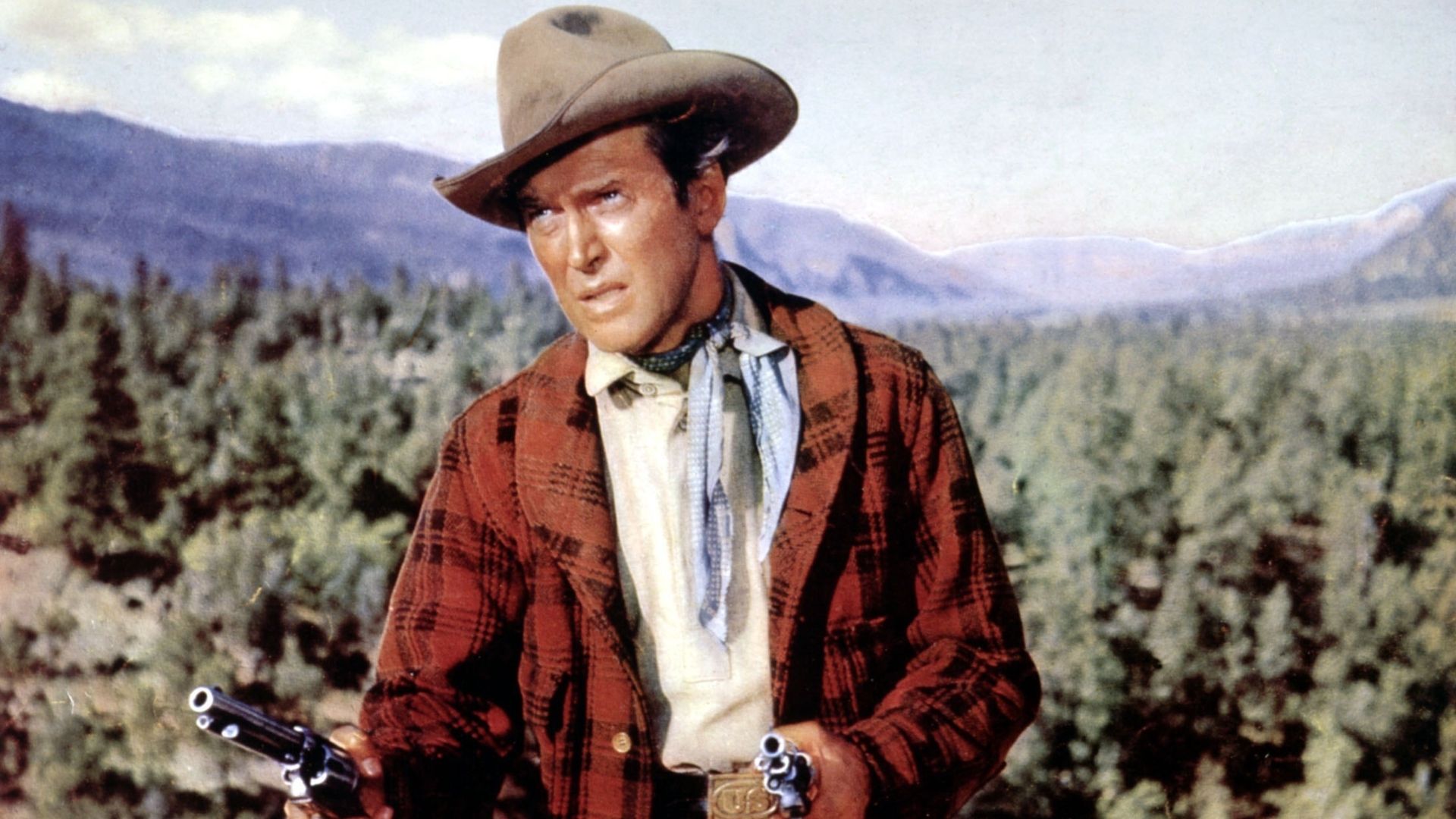
For those interested in further exploring similar themes in film, consider looking at the dynamic explorations of sexuality in ‘Ice Cream Man’ or the psychological depth in ‘Examining the Legacy of James Stewart in Western Cinema.’ Both films serve as fascinating companion pieces to Schoenbrun’s work, provoking further questions about the narratives we engage with in cinema.
Movie explanation
EpisodeBreakdown may use automated tools to assist research, drafting, and formatting. Published pages are governed by our editorial and corrections policies, and source links are shown when they are available in the article record.
Discovery source: IndieWire. The source identifies where the topic was discovered; EpisodeBreakdown is responsible for the commentary published on this page.
Reader response
Reactions and poll results are based on real reader responses. No account is required.