In simple terms, the central question posed by Spider-Man: Brand New Day is how a narrative shift towards the upcoming Mutant Saga in the Marvel Cinematic Universe (MCU) alters the landscape of superhero vulnerabilities. The answer reveals a complex interplay between enhancements and technological limitations, as Peter Parker inadvertently hands over the keys to power neutralization to one of the least trustworthy entities: the Department of Damage Control (DoDC). This monumental action lays the groundwork for a future where powerful mutants face unprecedented threats.
The film illustrates Spider-Man’s evolution, tracing his transformation from a well-intentioned teen hero to a figure capable of inventing technologies that could potentially strip entire populations of their powers. In Brand New Day, Peter experiences drastic changes to his own DNA that lead him to develop organic web-shooters and heightened senses. However, in a stark contrast to his previous struggles with his identity and abilities, he constructs a power inhibitor that can neutralize not only his own gifts but those of any enhanced individual. This pivotal moment can be seen as both a triumph of scientific ingenuity and a catastrophic misstep, setting the stage for ethical dilemmas in the MCU.
Turning Point: The Origin of Power Inhibition
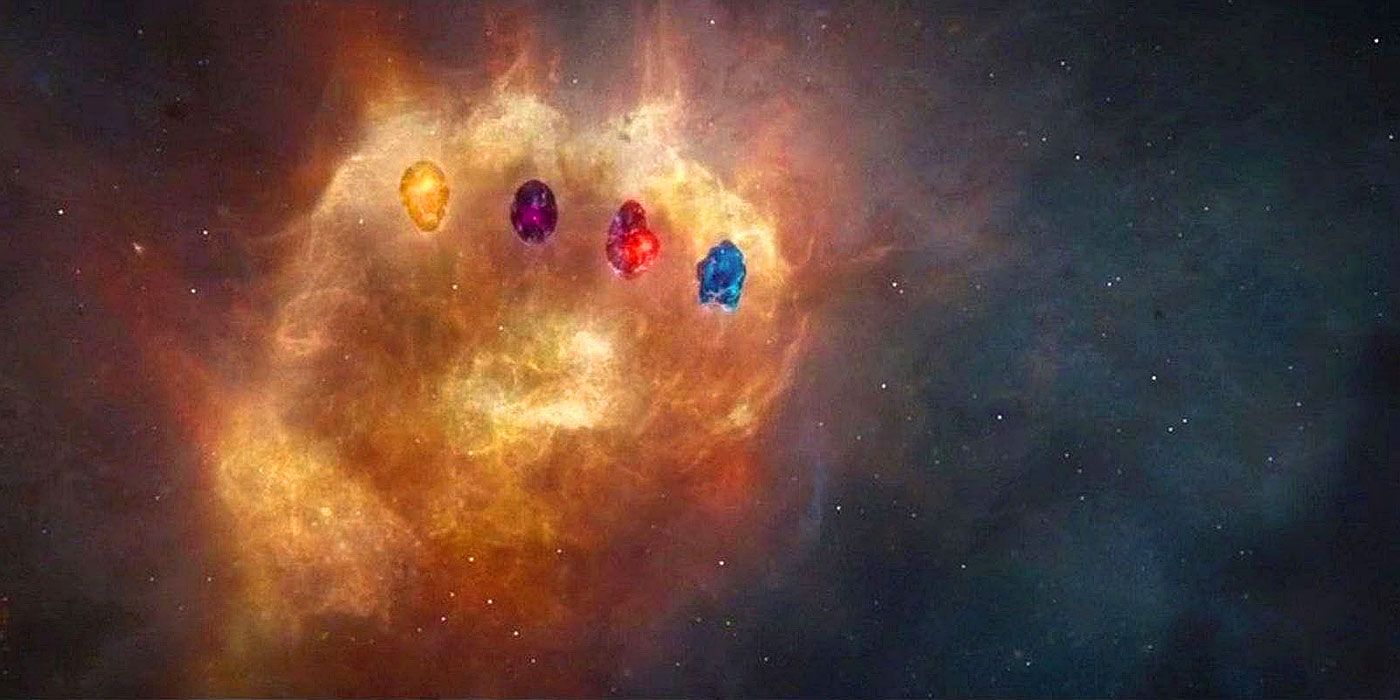
The genesis of the power inhibitor technology we see in this film constitutes a major turning point in the MCU. Within the intricate tapestry of Marvel storytelling, the Infinity Stones served as symbols of immense power, often elevating villains to near-god-like status. However, the introduction of power inhibitors shifts the narrative focus entirely; the new technology offers a method to neutralize that power rather than seek more of it. By rendering characters like Jean Grey powerless, this plot development raises essential questions about freedom, agency, and the moral implications of wielding such power.
During his mission to assist the DoDC in capturing Jean Grey, Peter employs what is referred to as a universal inhibitor chip, obliviously providing the agency with a means to control one of the most formidable mutants in the MCU. Historically, the DoDC has taken on a more antagonistic role, necessitated by its perceived inability to match the powers of enhanced individuals. This film cements their position as a looming threat in the upcoming mutant landscape of the MCU. Unlike previous villains who sought additional power through the Infinity Stones, the DoDC aims to negate the power that others possess, changing the stakes of conflict entirely.
The Deepening Conflict: Ethical Dilemmas
Spider-Man’s trustworthy nature is on full display throughout Brand New Day, yet it also showcases the potential consequences of his choices. In Far From Home, he trusted Mysterio, and in Brand New Day, his naïveté leads him to unwittingly ally with an organization that has questionable motives. By giving over his inhibitor technology, Peter inadvertently enables the DoDC to explore more aggressive means of power control. This trend of empowering the wrong people—intended as a harmless act of cooperation—highlights a deeper theme of responsibility and the unintended impact of good intentions.
The DoDC’s willingness to sidestep ethical boundaries emphasizes the morally gray area that many individuals within the superhero narrative occupy. They were initially a clean-up crew from the aftermath of superhero battles, but now they have evolved into an agency that aims to enforce control over superpowered individuals. This theme mirrors societal concerns around surveillance, control, and the ethical implications of technological advancements—issues that resonate deeply in today’s world.
Implications for the Mutant Saga
The implications arising from Brand New Day are expansive, especially now that the groundwork for the Mutant Saga has been incrementally laid. Evidence from the film suggests that the DoDC is deeply involved in illicit experimentation to repurpose and replicate superpowers. Not only does this foreshadow a rise in conflict concerning mutant rights, but it also raises alarms about human experimentation—a theme that has recurred throughout Marvel narratives.
The storyline hints at the development of Sentinels, a significant threat to mutants in the comic universe, built upon Peter’s technology. Should the DoDC manage to weaponize the inhibitor technology further, the end result could see Sentinels capable of neutralizing mutant powers efficiently, thereby creating an entirely new category of conflict that centers on suppression rather than outright confrontation.
Ending Explained: The Far-Reaching Consequences
The ending of Brand New Day ties together multiple narrative threads and redefines the stakes for Spider-Man and the broader universe. As Peter reflects on the ramifications of his actions, it becomes clear that the choices he made will have far-reaching consequences for the mutant population—rendering them vulnerable to the very agency he thought could be a friend.
This complex moral scenario illustrates that power dynamics in the MCU are not just about who is stronger but about who has the technology to neutralize that strength. Peter’s decision serves as a reminder that in the world of superheroes, every action has potential repercussions, often unforeseen and tragic.
What This Means for Future MCU Storylines
The implications of Spider-Man: Brand New Day extend beyond the narrative arcs of existing characters; they present a new roadmap for how the MCU may approach the integration of mutants. With technology that can silence their powers, heroes like Spider-Man must now navigate a landscape where trust is tenuous, and their very existence is at stake.
As Spider-Man battles his personal demons, he must also confront the ramifications of his actions on his peers and the new threats to come. Characters who were once celebrated for their gifts may find themselves marginalized or imprisoned, forced to grapple with the notion that their powers can be both a blessing and a curse.
With the resurgence of the Department of Damage Control and Peter Parker’s dangerous inventions, the ensuing battles for justice, equality, and survival are set to reshape the MCU for years to come. The exploration of these themes affirms that the real climactic battles may not just be against supervillains but also against the institutions designed to protect humanity at all costs, often at the expense of those deemed different.
What happens next in the MCU will depend heavily on the choices heroes make in response to revelations from Brand New Day. The introduction of such profound conflicts guarantees that as the superhero landscape evolves, so too does the potential for rich storytelling—a reflection of our own world’s power dynamics and the ever-present struggle for control over one’s identity and destiny.
What Happens Next
The narrative set forth in Spider-Man: Brand New Day signals a new era in the MCU. Through the introduction of power inhibitors, the stakes are significantly raised for all characters involved, particularly mutants facing existential threats. As the Mutant Saga unfolds, audiences can expect intricate character developments and ethical quandaries as they navigate this new terrain.
For a deeper dive into how this shifts ongoing narratives, readers can also explore related articles like Why Jean Grey's Role in Spider-Man: Brand New Day Matters, or How Spider-Man: Brand New Day Shapes the MCU's Future. The only certainty is that power in the MCU has never been more precarious, and the balance between heroes and villains continues to shift in unexpected ways.
Movie explanation
About this breakdown
PublishedAugust 4, 2026
Last updatedAugust 4, 2026
Topics coveredTurning Point: The Origin of Power InhibitionThe Deepening Conflict: Ethical DilemmasImplications for the Mutant SagaEnding Explained: The Far-Reaching Consequences
EpisodeBreakdown may use automated tools to assist research, drafting, and formatting. Published pages are governed by our editorial and corrections policies, and source links are shown when they are available in the article record.
Discovery source: CBR Movies. The source identifies where the topic was discovered; EpisodeBreakdown is responsible for the commentary published on this page.
Weekly editorial digest
Get the next breakdown in your inbox
Choose what you follow and receive one focused email with original anime, movie, TV, ending, timeline, and character coverage.
One email a weekNo spamCancel anytime