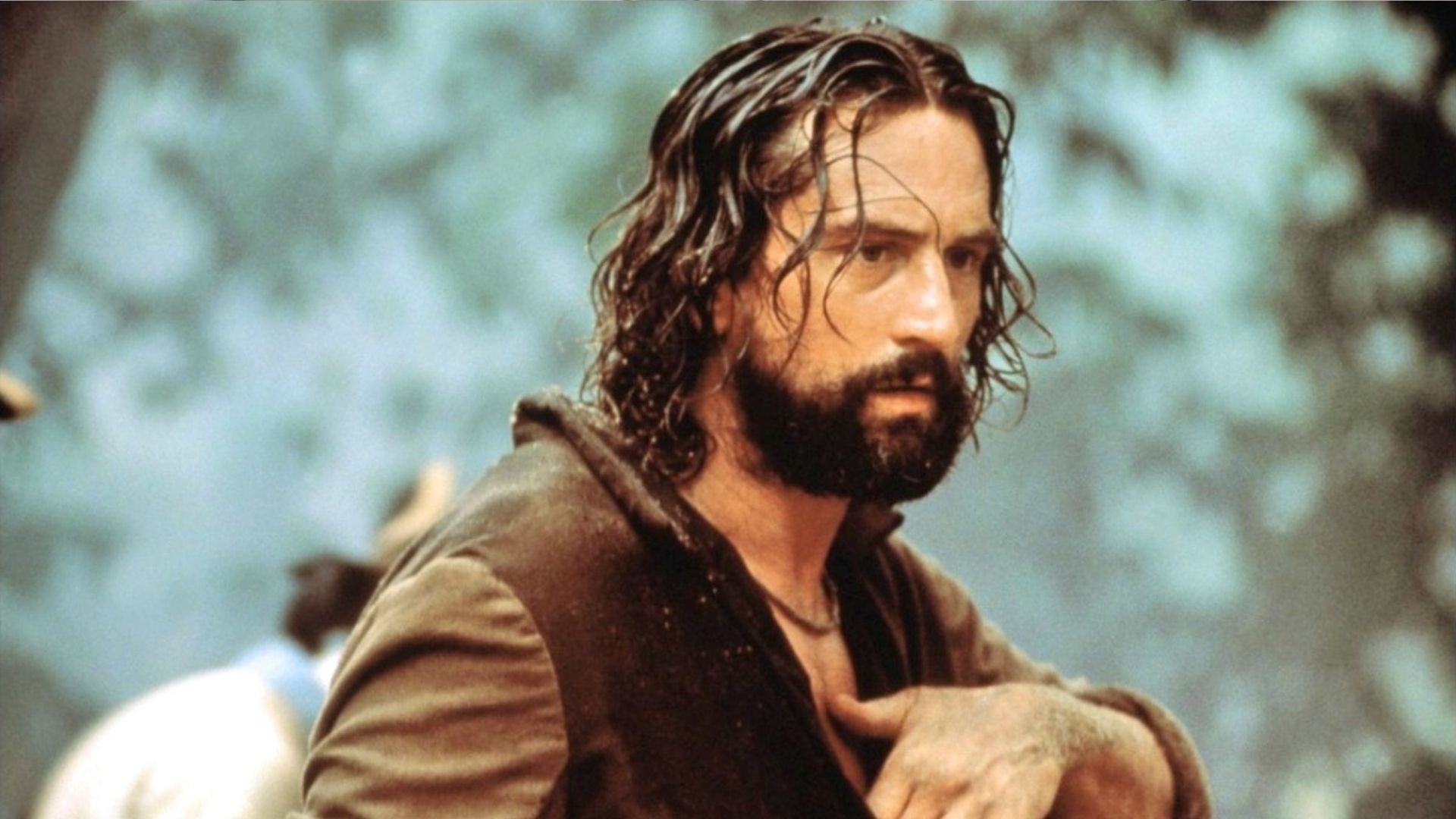
Exploring Robert De Niro's Role in The Mission
An in-depth analysis of Robert De Niro's transformative role in The Mission, exploring its themes and historical context.
Delving into John Woo's unique approach to action cinema, prioritizing emotional storytelling over strict logic.

John Woo's approach to filmmaking centers around the belief that compelling cinema arises from emotional expression rather than adherence to logic. He famously stated, "Logic can be very boring," emphasizing a filmmaking style that focuses on feeling instead of strict narrative structure. This philosophy is particularly visible in his groundbreaking action sequences, which blend choreography with intense emotion.
Woo, a prominent Hong Kong filmmaker, is credited with pioneering the ‘gun-fu’ genre—a captivating fusion of martial arts and gunplay that has left an indelible impression on the action film landscape. His work often highlights the intricate relationship between beauty and brutality, showcased through choreographed shootouts that evoke strong emotional narratives.
Throughout his career, John Woo has undergone several creative turning points, carving out his unique voice in the cinematic world. His early films in Hong Kong merged the elegance of wuxia with film noir's gritty realism, particularly exemplified in classics such as A Better Tomorrow and The Killer.
In his film Hard Boiled, Woo showcases his trademark techniques, particularly during the iconic Tea Room Shootout. This scene not only progresses the plot but also serves as an emotional climax. Its intricate choreography illustrates Woo’s belief that thrilling action should resonate on an emotional level, leaving an impactful mark on the audience.
A notable aspect of Woo’s filmmaking is his prioritization of emotional truth over logical coherence. For example, in the Tea Room Shootout, the violence depicted transcends mere action; it represents themes of loss, camaraderie, and heartbreak. The chaotic sequence of events creates a tapestry that reflects the deeper emotional stakes involved.
Woo argues that contemporary film often leans too heavily on realism, which can hinder creative storytelling. His rejection of purely logical constructs liberates creative expression, allowing filmmakers to depict action in more visceral, emotionally engaging ways.
The impact of John Woo on modern action films is profound. His aesthetics—marked by dual-wielding firearms and dynamic slow-motion sequences—have significantly influenced contemporary cinema. Movies such as The Matrix and the John Wick series embody his foundational elements of illogical yet visually arresting action, proving his methods are both revolutionary and enduring.
This legacy reflects how Woo's philosophy has permeated modern filmmaking culture. His emphasis on emotional storytelling ensures action sequences remain memorable, shifting the focus from realism to the feelings they evoke.
Bow’s philosophies hint at an ongoing struggle within the film industry: the conflict between artistic creativity and audience expectations. As Woo pointed out, an overemphasis on logical narratives can stifle innovative expressions. The rise of social media and instant critiques often focus on logic over artistic intent, causing filmmakers to grapple with the pressure to conform to realistic expectations.
Woo’s films present a counter-narrative to such trends. They emphasize emotional connections that transcend the on-screen violence, arguing that cinema should express deeper human experiences rather than strictly factual representations.
Understanding Woo's films, especially Hard Boiled, requires an appreciation for his unique style. The film's finale aligns with its overarching emotional themes, culminating in a poignant climax of friendship and sacrifice amidst chaos. This resolution highlights his conviction that storytelling's essence lies beyond mere logic.
Audiences are left contemplating the sacrifices made for love and loyalty, reinforcing Woo's belief in cinema as a platform for expressing deep human feelings.
John Woo’s filmmaking philosophy serves as an essential reminder that cinema transcends logical structures, aiming to evoke emotions and explore relatable human experiences. As emerging filmmakers draw inspiration from his innovative style, the hope is that creative spaces will flourish, allowing artistry to thrive beyond the constraints of realism. John Woo’s legacy redefines action cinema, demonstrating that true artistry connects deeply with the audience's emotions.
For additional insights into influential filmmakers and their philosophies, explore our detailed analyses on Exploring Sheriff Mark Mylow's Character in Best Medicine and Exploring 'Tony': Unconventional Direction and Character Depth.
Movie explanation
EpisodeBreakdown may use automated tools to assist research, drafting, and formatting. Published pages are governed by our editorial and corrections policies, and source links are shown when they are available in the article record.
Discovery source: Slashfilm. The source identifies where the topic was discovered; EpisodeBreakdown is responsible for the commentary published on this page.
Reader response
Reactions and poll results are based on real reader responses. No account is required.