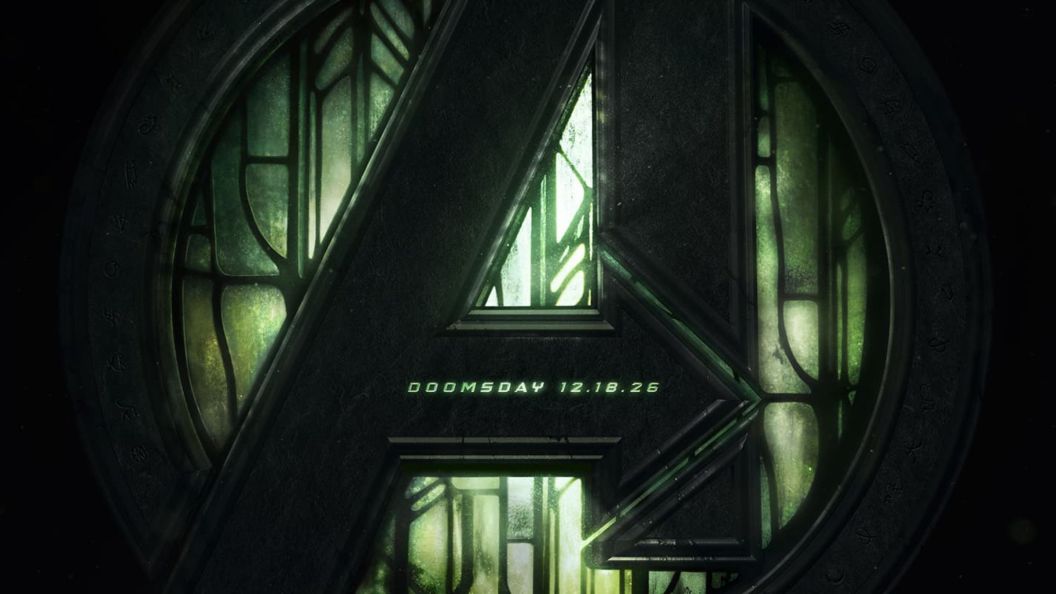
Bonus Freebies for PlayStation Plus Subscribers in August 2026
PlayStation Plus subscribers will receive exciting new digital items in August 2026, including free Marvel-themed content and new games.
Joyce Carol Oates comes to Christopher Nolan's defense amid criticism from Emily Wilson regarding 'The Odyssey.'
In simple terms, Joyce Carol Oates publicly defended Christopher Nolan’s adaptation of "The Odyssey" on July 29, 2026, after Emily Wilson, a respected classicist, offered a scathing critique of the film. Oates labeled Wilson's review as "crude" and "haughty," igniting conversations about interpretations of Homer’s epic tale and the broader implications of adaptations in modern cinema. The remarks surfaced on social media, where Oates expressed her frustrations in a thread directed towards Wilson’s critical stance.
What sparked this literary spat was Wilson's negative review of Nolan's film in the London Review of Books. She deemed the movie, featuring Matt Damon as the protagonist Odysseus, as "abysmal" and criticized its lack of depth regarding core themes of the original epic. Wilson's remarks centered on her belief that the film fails to address essential elements such as time, memory, history, and the profound emotional aspects tied to the story. Her perspectives resonated with some, as she highlighted a disparity between the film's blockbuster appeal and its perceived narrative shortcomings.
In contrast, Joyce Carol Oates rallied to defend not only Nolan but also the art of adaptation itself. In her tweet, Oates asserted that Wilson’s tone was dismissive and that her critique reflected a narrow viewpoint, particularly for someone who has significantly benefited from the film's existence. "Rather than disagreeing with interpretations of Homer in a collegial manner, this person... speaks in the crude language of MAGA folks," Oates stated. This analogy raised eyebrows, indicating Oates's frustration with what she perceived as a lack of respect in critical discourse.
Christopher Nolan’s adaptation of "The Odyssey" has not only captured the attention of the film-viewing public but has also performed impressively at the box office, grossing over $725 million worldwide so far. Oates underscored that while Wilson critiques the movie, her own translation of the epic has experienced significant commercial success, having sold over a million copies since its release. The irony that Wilson relied on Nolan’s adaptation for her own recognition, she implied, raised questions about the integrity of her critique.
Moreover, Nolan himself has acknowledged Wilson’s translation as an inspirational resource, particularly regarding specific lines and themes. The collaboration of literary translation and cinematic adaptation invites complex discussions about fidelity to source material and how different mediums convey narratives.
The ongoing debate has triggered a mixed response within the literary and cinematic communities. While many echo the sentiments expressed by Wilson regarding the need for depth in adaptations, others align with Oates, praising the freedom of interpretation inherent in retellings. The broader conversation centers around how adaptations ought to be viewed—should they remain strictly loyal to their source material, or is it permissible for filmmakers to exercise creative liberties?
This dialogue extends beyond just "The Odyssey," positioning it within the larger framework of film adaptations, with examples ranging from Shakespeare to more contemporary works. Adaptations often aim to resonate with modern audiences, and this raises pertinent questions about the evolving nature of storytelling in a visual culture.
As this debate unfolds, it’s clear that the dialogue it has initiated will continue to engage audiences and scholars alike. Oates's defense of Nolan may galvanize supporters of his cinematic vision to rally behind him, potentially affecting the film’s reception in further viewership. On the flip side, Wilson may find her critique strengthening her position as a critic willing to confront popular adaptations, irrespective of their commercial success.
In conclusion, the exchange highlights the intricate relationship between literature and its adaptations in film, pointing toward a future where ongoing discussions about fidelity and creative interpretation are essential.
In an age where adaptations are commonplace, Joyce Carol Oates’s defense and Emily Wilson’s critique reflect much more than personal indignation—they signify a pivotal moment in understanding how literature is perceived and reimagined for cinema today. As audience engagement with adaptations grows, the implications for creators and translators alike become profound, potentially influencing future projects.
For further insights about adaptations and creative endeavors, consider exploring 'Exploring Themes and Character Dynamics in Nolan’s 'The Odyssey' and 'New Head Writers for The Young and the Restless Announced'.
Entertainment news
EpisodeBreakdown may use automated tools to assist research, drafting, and formatting. Published pages are governed by our editorial and corrections policies, and source links are shown when they are available in the article record.
Discovery source: TheWrap. The source identifies where the topic was discovered; EpisodeBreakdown is responsible for the commentary published on this page.
Reader response
Reactions and poll results are based on real reader responses. No account is required.