Mortal Kombat
Jurassic World Rebirth: Unpacking Creative Departures and Future Directions
Dive into the themes, character dynamics, and emerging shifts in the Jurassic franchise post-Edwards' exit.
Dive into the themes, character dynamics, and emerging shifts in the Jurassic franchise post-Edwards' exit.
In simple terms, the central question surrounding Jurassic World Rebirth is whether the series can navigate its future creatively after the recent departure of Gareth Edwards as director. This shift raises significant implications regarding the franchise's direction and the character arcs introduced in the latest film. Edwards' exit highlights not only a single creative divergence but also a potential reevaluation of the broader narrative landscape that has characterized the Jurassic series since its inception.
The confirmation of Edwards not returning for the sequel of Jurassic World Rebirth stems from reported creative differences, a common occurrence in the film industry. While Universal indicated satisfaction with the collaboration, they now seek a sixth director to helm the sequel. This reshuffle within the creative team suggests a strategic pivot, reminiscent of earlier directorial changes within the franchise, as seen with previous directors Joe Johnston and J.A. Bayona, who also left after their first ventures into the Jurassic universe.
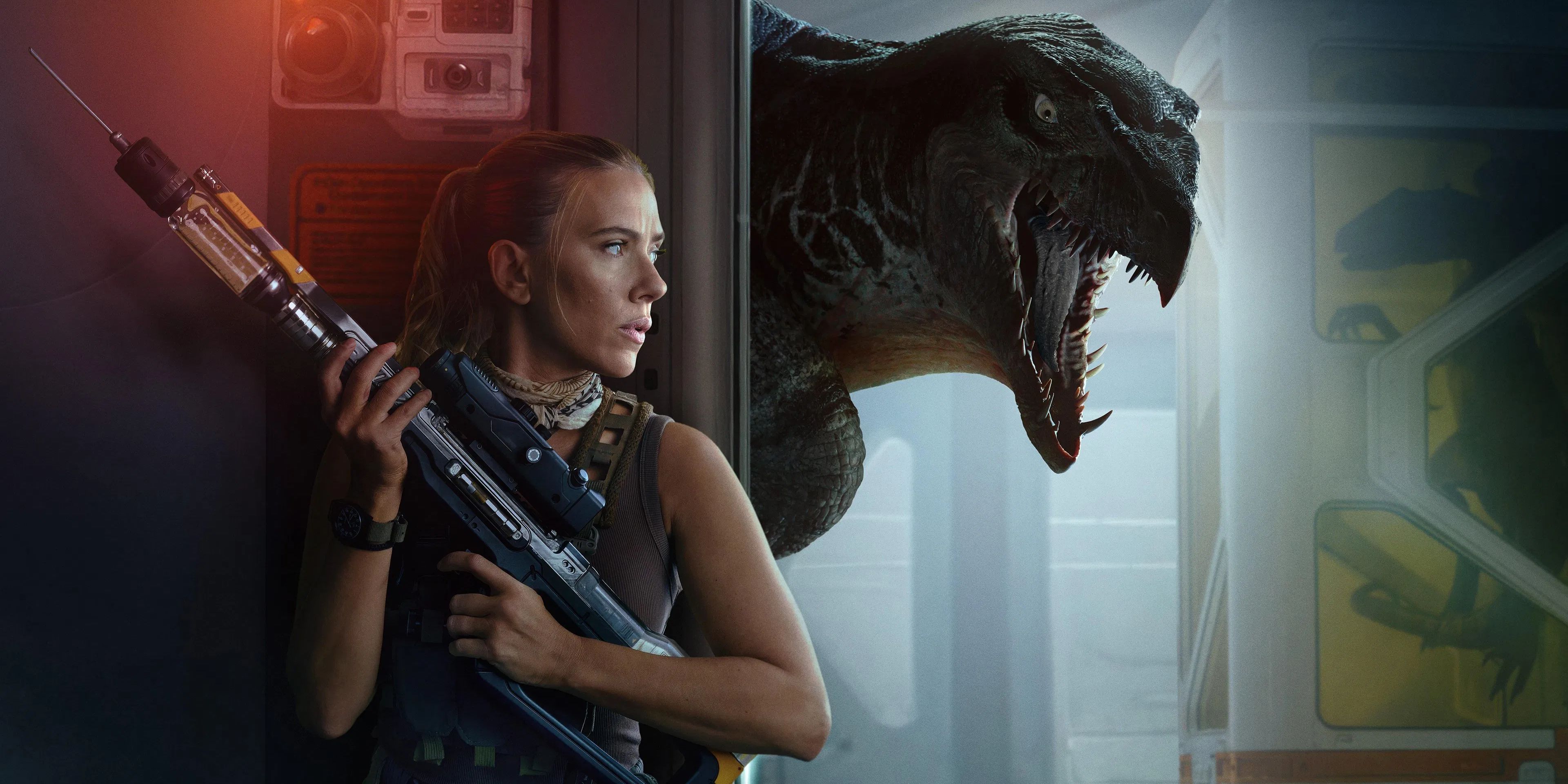
Jurassic World Rebirth, released in July 2025, unfolds several years after the events witnessed in Jurassic World Dominion. The film introduces Scarlett Johansson as Zora Bennett, a skilled covert operations expert leading a daring expedition to collect genetic materials from the world's largest creatures. The characters are pivotal; they must navigate moral complexities surrounding biotechnology and the urgent need for breakthroughs in human health. However, the narrative faced criticism for presenting two disparate storylines that failed to cohesively intertwine, leading to confusion.
The neglected character interactions serve to dilute the thematic message. Instead of a singular narrative thrust, audiences received fragmented perspectives, with Zora and her team stranded with a civilian family on a mysterious, dangerous island. This setup unveils hidden truths that challenge the ethics of genetic manipulation and corporate greed. But the execution fell short for many viewers, leading to dissatisfaction and claims that the film felt disjointed and improperly balanced.
Gareth Edwards’ departure suggests that creative expectations and finalizing a cohesive vision did not align with Universal's expectations for the sequel. The film's previous reception indicated that audiences struggled with the storyline's clarity; thus, the need for a new director may signal a pursuit of innovative storytelling aligned with fan appreciation and critical acclaim. Edwards, known for his distinctive sci-fi narratives in Monsters and The Creator, may have infused fresh ideas into the Jurassic franchise, but evidently, the harmony between vision and execution was not achieved.
As Universal seeks a new director, the franchise stands at a crucial crossroad. Can the next director bring a unified vision that resonates with audiences? The series is no stranger to creative upheavals, with fresh directors often introducing unique perspectives that either rejuvenate interest or perplex viewers.
With Edwards focused on original projects and his departure officially confirmed, Universal must now consider how to rejuvenate a franchise that has been vital to its success since 1993. Jurassic World Rebirth not only aimed to expand on the original lore but also to establish new foundations for subsequent sequels. However, the implications of a new director mean potential changes to pacing, tone, and narrative focus, which could either unify the storyline or lead to further fragmentation.
The franchise's success has fluctuated over the years, with early films achieving monumental box office returns juxtaposed against mixed critical reception for later installments. This inconsistency necessitates a conversation about the franchise's future identity, especially in light of Edwards’ exit, which further complicates its direction.
The Jurassic franchise, which encompasses successful sequels, animated series, and theme park attractions, has maintained its status in popular culture. However, as this latest film has shown, staying relevant in a changing cinematic landscape requires introspection and adaptability. Moving forward, conversations around genetics, ethics, and the consequences of manipulation remain crucial thematic elements that the franchise must navigate with care.
Characters like Zora, Dr. Henry Loomis (Jonathan Bailey), and Duncan Kincaid (Mahershala Ali) have the potential for deeper exploration, provided the next installment embraces a cohesive narrative thread that engages viewers more effectively. While the groundwork has been laid, future developments will need to balance action, character depth, and philosophical inquiry about the implications of human and dinosaur coexistence.
Looking ahead, the untitled sequel to Jurassic World Rebirth is poised for a production start in 2027, with David Koepp returning to pen the script. His enduring association with the franchise speaks to his ability to adapt narratives that resonate with both fans and critics alike. The potential reworking of character arcs and plotlines could usher in a new era for the Jurassic films, particularly in how they address contemporary audiences who are increasingly sensitive to themes of sustainability and ethics.
As the franchise readies itself for another chapter, the stakes have never been higher. The upcoming director will need to respect the legacy while innovating to breathe new life into a world that fascinates and horrifies. Ultimately, Jurassic World Rebirth may serve as a pivotal moment, prompting a thorough examination of the past while charting a course for a promising future.
In summary, the exit of Gareth Edwards from the Jurassic series represents more than a simple directorial change; it reflects the ongoing quest for artistic integrity and audience connection in a franchise that has significantly shaped modern cinema. The future holds both challenge and opportunity as it seeks to reclaim its position among the titans of film history.
The creative shift following Gareth Edwards' exit indicates a crucial turning point for the Jurassic franchise. As Universal gears up for a new director and fresh narrative directions, the opportunity arises to address previous storytelling missteps while delving into themes of genetic ethics and ecological responsibility. The outcome of this transition could redefine the series, making it not only a continuation of explosive dinosaur action but also a platform for meaningful dialogue in contemporary society.
Movie explanation
EpisodeBreakdown may use automated tools to assist research, drafting, and formatting. Published pages are governed by our editorial and corrections policies, and source links are shown when they are available in the article record.
Discovery source: CBR Movies. The source identifies where the topic was discovered; EpisodeBreakdown is responsible for the commentary published on this page.
Reader response
Reactions and poll results are based on real reader responses. No account is required.
Director Simon McQuoid discusses the creative direction behind 'Mortal Kombat II', now available on digital and 4K UHD Blu-ray.