Beetlejuice: The Animated Series Celebrates 37 Years of Streaming Success
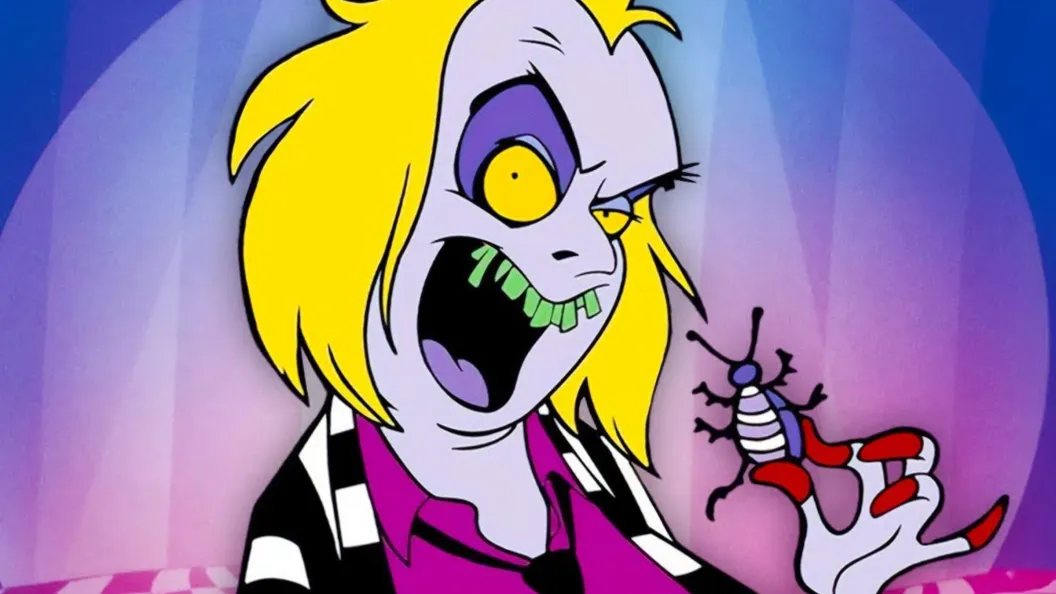
Beetlejuice: The Animated Series premiered 37 years ago, celebrating its legacy with all episodes streaming now on Tubi.
In 1966, Leonard Nimoy appeared as a Seminole leader in the historical drama 'Daniel Boone,' months before the premiere of 'Star Trek.'
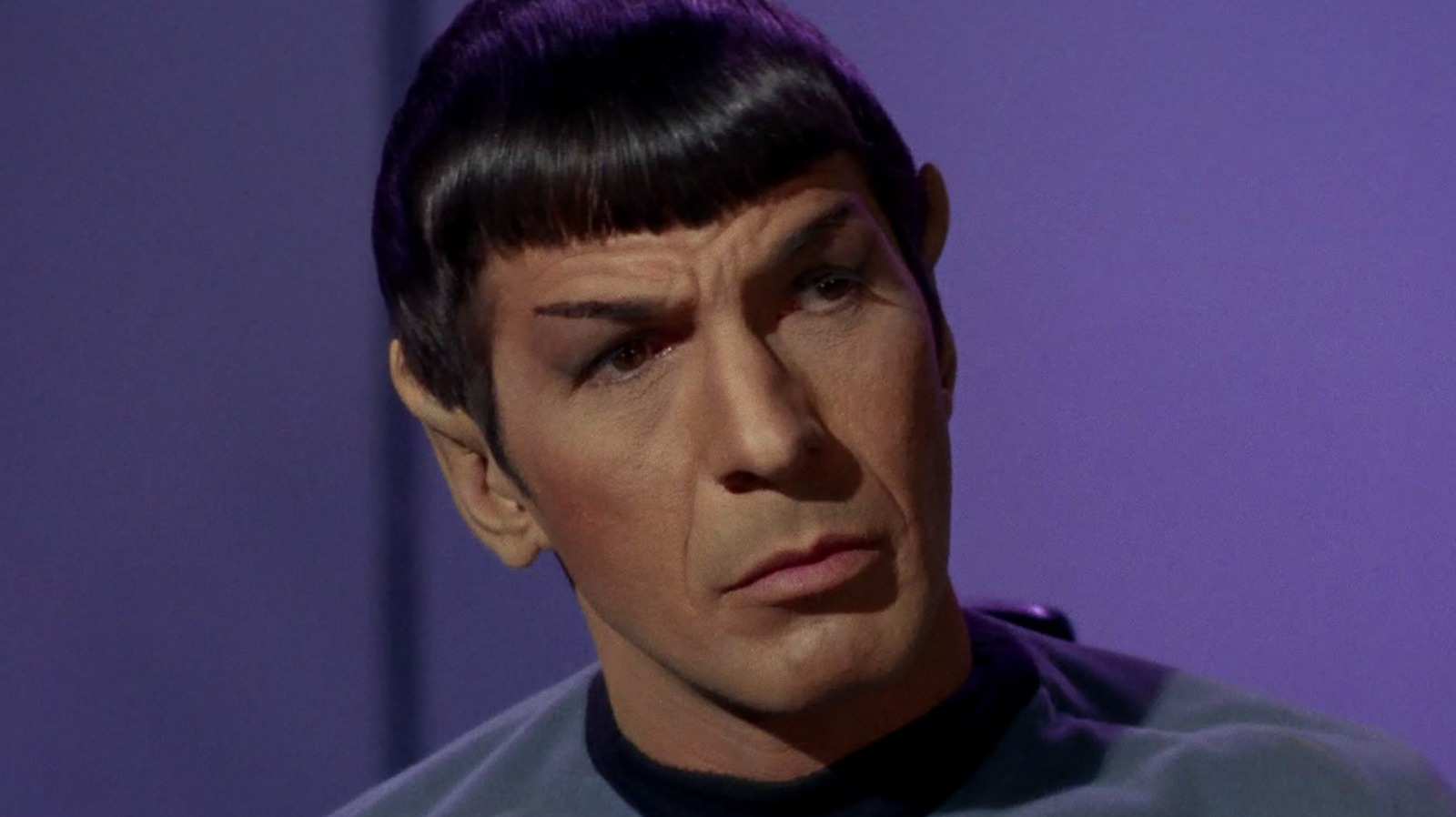
Leonard Nimoy took on a significant role as Oontah, the son of a Seminole chief, in the historical drama 'Daniel Boone' in 1966, shortly before the premiere of 'Star Trek.' This information was reported by TVLine.
'Daniel Boone' was a historical adventure series that aired on NBC starting in September 1964, featuring Fess Parker as the titular character. The show depicted the life and adventures of the American pioneer as he traveled across the frontier. Nimoy's character, introduced in the episode titled 'Seminole Territory,' interacts with a traveling magician whose illusions create conflict among the Seminole tribe.
Nimoy's performance came during a time when he was already an established television actor, having appeared in various series including 'Wagon Train' and 'The Twilight Zone.' While his role in 'Daniel Boone' showcased his versatility, it was also part of a broader trend in Hollywood where Native American roles were often portrayed by non-Native actors.
Nimoy's transition from 'Daniel Boone' to 'Star Trek' was pivotal in his career. The premiere of 'Star Trek' happened later that same year in September, and his portrayal of Spock would become one of the most iconic in television history. The actor recalled feeling optimistic about his career after filming an episode of 'Gunsmoke' shortly after completing 'Daniel Boone.'
In reflecting on his career, Nimoy noted the thematic link between his early roles and his character in 'Star Trek.' He remarked that portraying various Native characters helped shape his approach to playing Spock, a role that varies dramatically in its cultural context.
Nimoy's early work, including his portrayal of Oontah, provides insight into how actors navigated complex portrayals concerning race and identity during the mid-20th century. His work in 'Daniel Boone' is not just a footnote but also a reminder of Hollywood's historical practices, including casting actors in roles that did not reflect their ethnic backgrounds.
Despite this, Nimoy's later contributions have helped redefine the cultural landscape, particularly through 'Star Trek,' which has become a hallmark of inclusive storytelling.
As audiences continue to engage with the legacy of Nimoy and the original 'Star Trek' series, discussions around representation and the treatment of indigenous narratives in media remain more relevant than ever. Nimoy's various roles underscore the industry's evolution toward more authentic portrayals in contemporary storytelling.
Leonard Nimoy's participation in 'Daniel Boone' adds depth to our understanding of his growth as an actor leading up to his iconic role in 'Star Trek.' The connection between his past roles and his future as Spock highlights the complex dynamics of representation in television history. As discussions about diversity in Hollywood continue, revisiting Nimoy’s career provides critical insights into how far the industry has come and the work still needed to ensure more diverse narratives are told.
For further explorations of Nimoy's contributions to television, see our articles on Leonard Nimoy's Insights on Spock's Teenage Appeal and William Shatner's First Starring TV Role on CBS's 'For the People'.
Entertainment news
EpisodeBreakdown may use automated tools to assist research, drafting, and formatting. Published pages are governed by our editorial and corrections policies, and source links are shown when they are available in the article record.
Discovery source: TVLine. The source identifies where the topic was discovered; EpisodeBreakdown is responsible for the commentary published on this page.
Reader response
Reactions and poll results are based on real reader responses. No account is required.