movies
George and Amal Clooney Evacuate Their France Home
This analysis explores why filmmakers hesitate to use IMAX cameras despite their cinematic appeal.
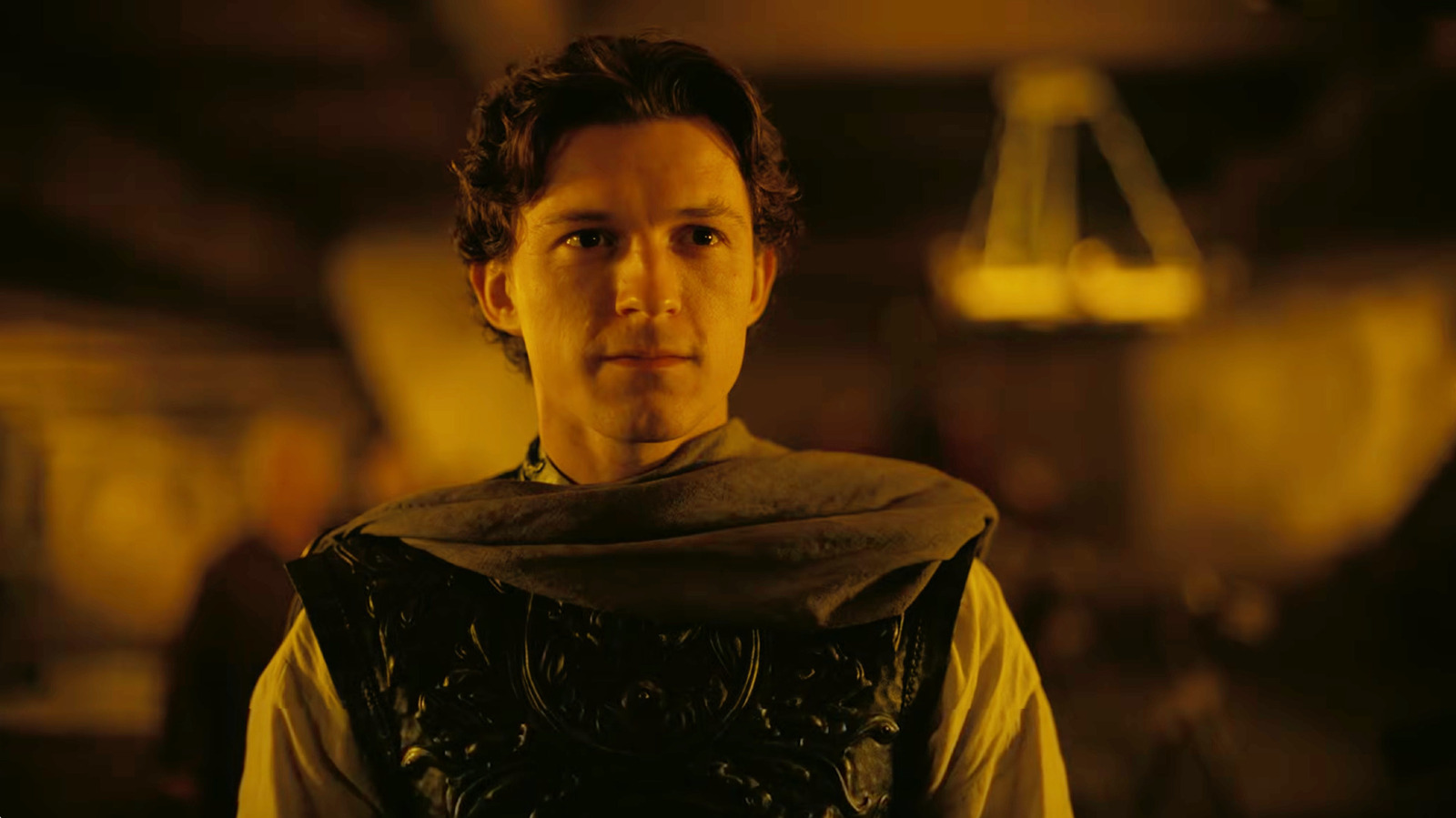
In simple terms, the central question arises: why doesn’t Hollywood shoot more films with IMAX cameras despite their immense popularity among audiences? The answer lies in the technical and practical challenges that come with using these specialized cameras. While films like Christopher Nolan’s "The Odyssey" showcase the breathtaking potential of IMAX, the industry still struggles to adopt this technology more broadly for entire productions.
Audiences have shown a strong preference for films shot in IMAX, where the larger format enhances their viewing experience. Notably, Christopher Nolan's adaptation of "The Odyssey" highlights the clarity and immersive capability of IMAX 70mm, which has undoubtedly set a new benchmark for cinematic spectacle. This film, encompassing a runtime of 173 minutes, is on track to break box office records, underscoring Nolan's unique ability to captivate audiences through this format.
What happened is that filmmakers face significant hurdles when it comes to shooting entire films using IMAX cameras. The financial implications alone are daunting; for example, "The Odyssey" carried a staggering budget of $250 million, largely attributable to the costs involved in employing IMAX technology. Filmmakers must grapple with not only the financial burden but also what filmmaker Christopher Nolan described as the disruptive noise associated with these cameras. Renowned actor Matt Damon likened the sound to having "a Cuisinart in your face."
The limitations imposed by IMAX's technical demands discourage many filmmakers from using it extensively. While filmmakers like Ryan Coogler and Denis Villeneuve have used IMAX cameras for certain scenes, fully committing to this technology is not a risk many are willing to take.
While selecting to shoot in IMAX can yield visually stunning results, it often requires substantial creativity and adaptation. For instance, directors must consider how the noisy environment can disrupt performances, leading to potential compromises in acting quality. Nolan has successfully navigated these compromises, but the reality is that few filmmakers have both the resources and the ambition to take this leap. This raises the question: are the potential benefits of visually transformative films worth the manifold challenges that IMAX presents?
Christopher Nolan stands as a singular force in the realm of IMAX filmmaking. His past successes have garnered him a vast fan base that not only supports his endeavors but also elevates the status of filmmakers who dare to dream big. With filmmakers of earlier generations like Steven Spielberg and Martin Scorsese potentially lacking the energy to engage with this new visual dynamism, Nolan represents a generational shift.
This shift is not merely a continuation of past practices but a reimagining of what cinematic storytelling can achieve on a large scale. By embracing the creative possibilities offered by IMAX, Nolan sets a high bar for what is possible, igniting ambition among upcoming directors who aspire to leave their mark on the industry.
Despite the overwhelming aesthetic appeal that IMAX can bring to films, industry experts suggest that this format may not be practical for every project. The cost and noise associated with shooting entirely in IMAX limit broader adoption, relegating the format to select blockbusters and films by directors who have proven able to manage these elements. According to a source from IMAX, many filmmakers are simply hesitant to dive into the deep end.
Directors like Ryan Coogler and Denis Villeneuve show that while there is interest in using IMAX, many prefer to engage with the format in a limited capacity. The ability to shoot for upscaling to IMAX rather than filming it entirely can seem like a safer option. This illustrates a divide between ambition and practicality within the industry.
As the industry continues to evolve, it’s essential to consider how the interplay between filmmakers' creative visions and the practicalities of specific formats like IMAX will shape modern cinema. With established names like Nolan paving the way, there is potential to see more ambitious and visually spectacular films that prioritize the experience of the audience. Yet, until the challenges surrounding IMAX cameras are addressed—namely the noise, cost, and extensive commitment required—the format will likely remain a niche choice rather than a standard practice across Hollywood.
For those interested in immersive cinematic experiences, the rising popularity of films adapted into various formats demonstrates significant shifts in audience preferences. As technology and filmmaking techniques continue to advance, we may very well see new solutions emerge that could make using IMAX cameras more feasible for broader storytelling.
Overall, filmmakers are constantly reevaluating the tools at their disposal, and despite the challenges, those willing to take bold risks may just change the landscape of modern cinema.
For additional context on filmmakers’ creative choices, consider exploring Exploring the Remake of The Thomas Crown Affair with Michael B. Jordan or Exploring Studio Ghibli's Flawed Ambition: Tales from Earthsea.
Movie explanation
EpisodeBreakdown may use automated tools to assist research, drafting, and formatting. Published pages are governed by our editorial and corrections policies, and source links are shown when they are available in the article record.
Discovery source: Slashfilm. The source identifies where the topic was discovered; EpisodeBreakdown is responsible for the commentary published on this page.
Reader response
Reactions and poll results are based on real reader responses. No account is required.
George and Amal Clooney's evacuation from their French home amid wildfires emphasizes community and family values in uncertain times.