test
asdasd
Explore the explosive finale of 'Little House on the Prairie' which concluded with the destruction of Walnut Grove, and the reasons behind this shocking decision.
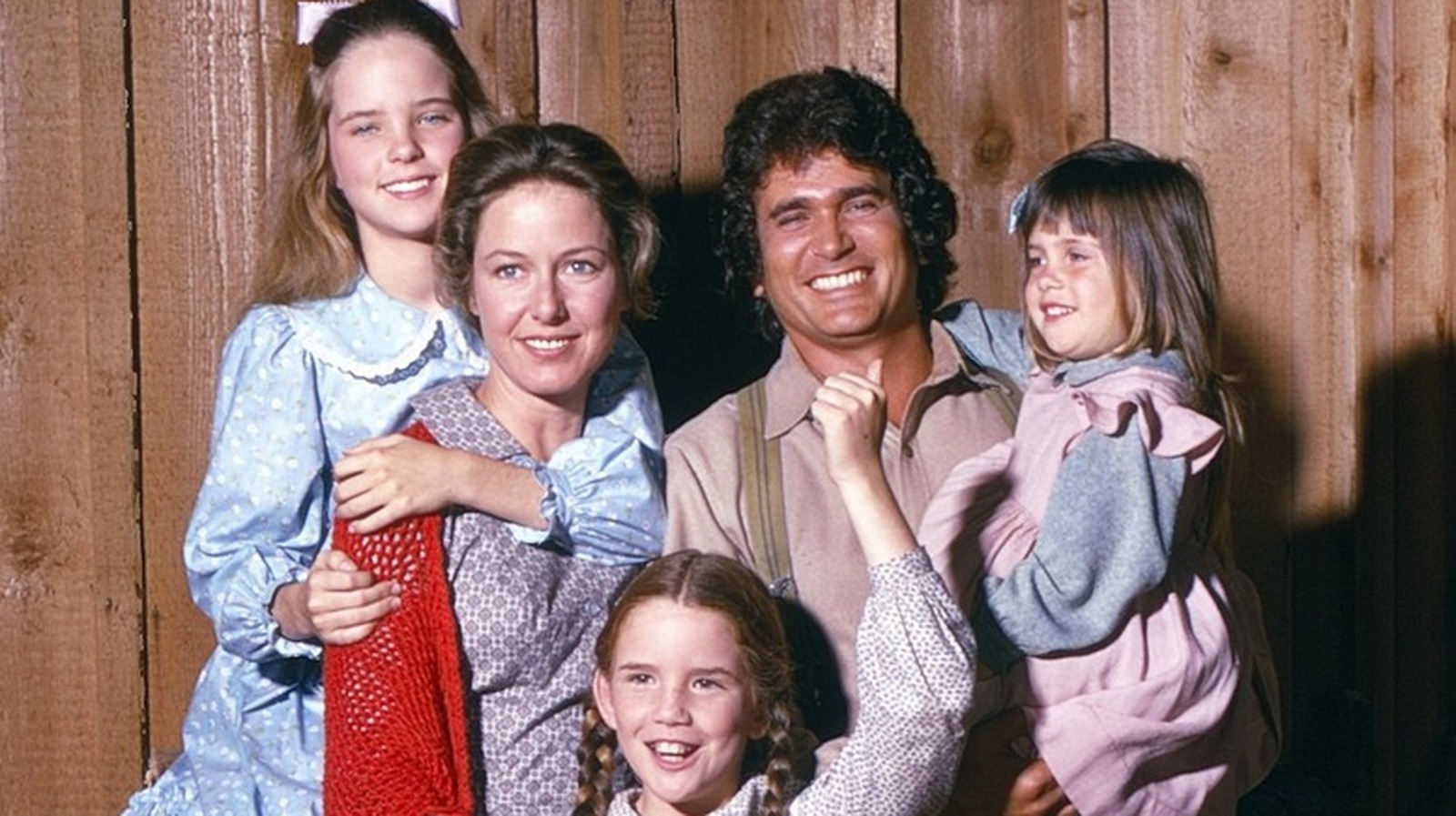
In simple terms, the explosive finale of "Little House on the Prairie," titled "Little House: The Last Farewell," was a result of both creative decision-making and practical necessity. The 1984 series finale concluded with the characters destroying their beloved town of Walnut Grove as a dramatic send-off, at the behest of both the storyline and the show's production issues.
The finale introduced a business tycoon named Nathan Lassiter, portrayed by James Karen, who acquired the rights to the land where Walnut Grove resided. As the townspeople found themselves unable to stop him through legal means or violence, Laura Ingalls, played by Melissa Gilbert, inspired them to take drastic measures. The choice to blow up the town symbolized their defiance and wrapped up the series on a landmark finale. According to NBC spokesperson Bill Kiley, the choice to end with an explosion was a response to the necessity of returning the land to its original state for cattle grazing.
The series was helmed by Michael Landon, who both wrote and directed the finale. Landon’s vision for the end was not just about destruction; it was meant to provide a strong, cathartic conclusion for the characters. "I think it makes for a good strong pioneer ending," he stated before airing. He understood the emotional weight tied to the land and sought to give fans a closing chapter filled with finality and drama.
The decision to destroy Walnut Grove was partially influenced by a leasing agreement with landowners. As the producers prepared for the finale, it became clear they would need to return the location—Big Sky Movie Ranch in Simi Valley, California—to its untouched state. This practical consideration played a pivotal role in the choice to stage such an elaborate explosion, as eliminating the town served a narrative and logistical purpose. “Mike decided that if the town had to go, he might as well send it out in a blaze of glory,” Kiley explained.
Years later, Melissa Gilbert reflected on the emotional impact the series finale had on the cast. The production team had to say goodbye to the sets they loved, and the demolition during filming left them devastated. Gilbert recalled, “Every day we had to say goodbye to someone else... it was just devastating and horribly, horribly sad.” Furthermore, she speculated that Landon might have been motivated by frustration toward NBC for never officially notifying him about the show’s cancellation.
Despite the not-so-happy motives at play, the explosive ending has solidified itself as a memorable moment in television history. It blurs the lines between a cautionary tale about land ownership and a symbolic act of resistance. Additionally, Gilbert and her co-stars later reflected on their time during the filming of the finale and the emotional connection they had to the sets. In fact, they have since visited the site where Walnut Grove once stood and discovered that it remains undeveloped, retaining an air of nostalgia.
The series finale of "Little House on the Prairie" serves as a testament to the powerful intersection of story and reality in television. Though born from industry necessity, the explosive conclusion provided a fitting closure to the beloved series while also reflecting the unique circumstances surrounding its production. The destruction of Walnut Grove signifies much more than an ending—it represents the legacy of a show that deeply resonated with its audience.
The legacy of "Little House on the Prairie" may have ended with the destruction of Walnut Grove, but the series continues to be remembered fondly. The show’s original novels by Laura Ingalls Wilder inspired a recent reimagining on Netflix, which has already been renewed for a second season, ensuring the stories of resilience and family continue to find new audiences. For those interested in exploring similar themes, you may also enjoy our breakdown of the best miniseries streaming on Apple TV, or discover the evolution of nostalgic reboots in the articles on franchises like "Clueless."
In conclusion, while the behind-the-scenes dynamics deeply influenced the show’s finale, it ultimately encapsulated a story of defiance and closure for the beloved characters—a fitting farewell to a cherished series.
Story breakdown
EpisodeBreakdown may use automated tools to assist research, drafting, and formatting. Published pages are governed by our editorial and corrections policies, and source links are shown when they are available in the article record.
Discovery source: TVLine. The source identifies where the topic was discovered; EpisodeBreakdown is responsible for the commentary published on this page.
Reader response
Reactions and poll results are based on real reader responses. No account is required.

