Bear McCreary Explores Music's Role in Storytelling Across Mediums
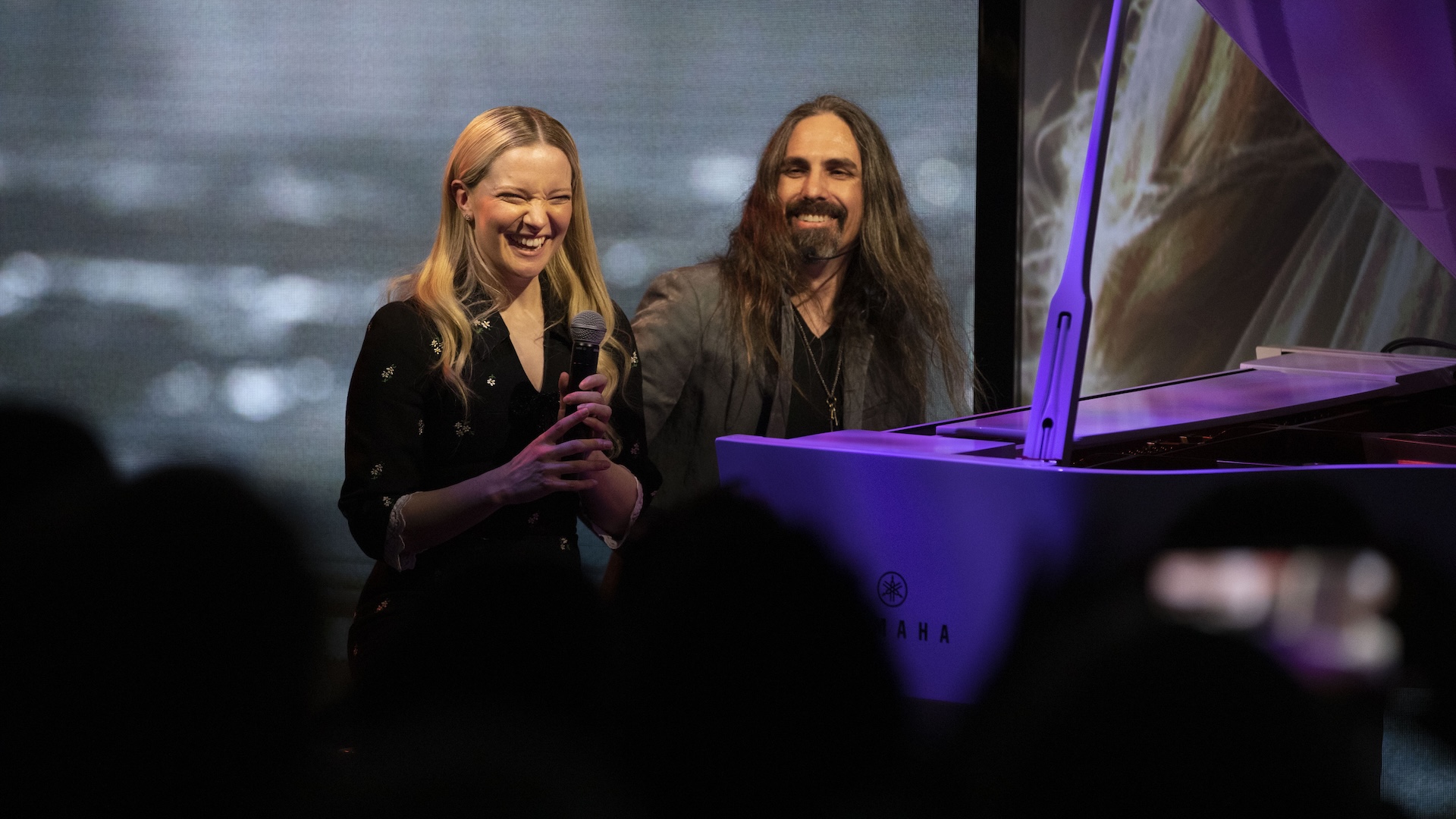
Bear McCreary delves into his musical inspirations and the significance of scoring in storytelling across film and gaming.
Analyzing why The Mandalorian and Grogu failed to save Star Wars and its future implications.
Explore the franchise
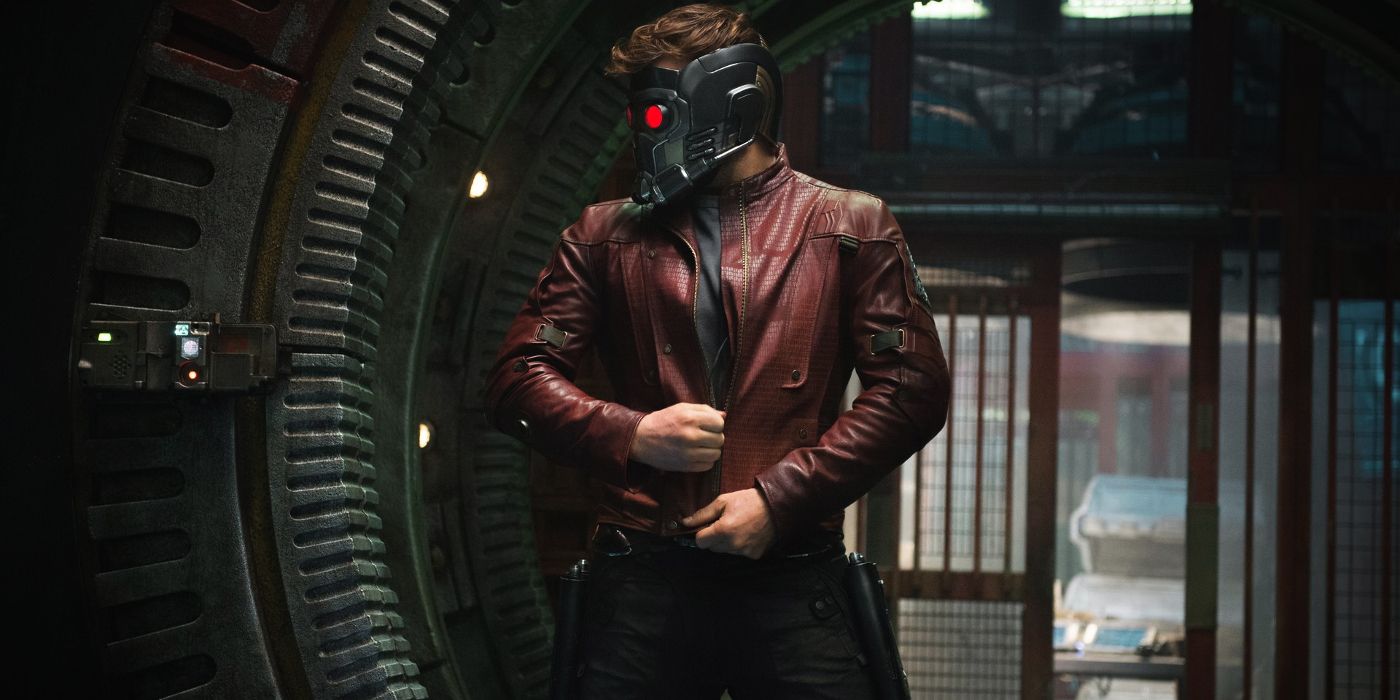
In simple terms, the central question surrounding The Mandalorian & Grogu is whether it could reinvigorate the Star Wars franchise. The answer appears to be a resounding no, as the film significantly underperformed at the box office, prompting a reevaluation of Lucasfilm's approach to their beloved universe.
What happened is that, despite high expectations, The Mandalorian and Grogu failed to capture both box office success and critical acclaim. With a reported global box office haul of $345 million against its $165 million budget and a middling 60% approval rating on Rotten Tomatoes, it became evident that the project did not meet Disney's aspirations for a new theatrical franchise centered around the Star Wars brand.
The hype surrounding The Mandalorian and Grogu stemmed from its status as one of Disney+’s most popular properties. Fans anticipated a cinematic experience that would elevate the series to a new level. Instead, many critics noted that the film felt akin to an extended episode of the TV series rather than a standalone cinematic event, undermining the very essence that theatergoers expect from a Star Wars film.
Disney, acknowledging the box office blow, has since sought to frame the failure in a positive light. CEO Josh D’Amaro stated that, despite box office shortcomings, the film contributed to growth in other sectors, including retail sales and park attractions. However, this perspective seems more like a deflection than a true assessment of the film's impact.
One core issue lies in how The Mandalorian and Grogu blended episodic television with the cinematic format. Star Wars films have traditionally been marketed as epic adventures that warrant the full cinematic experience, replete with integrated budgets, visual effects, and thematic depth. Critics argued that The Mandalorian felt like a prologue to something larger rather than a crucial piece of cinematic storytelling.
Despite positive audience scores, the broader critical reception raised questions about what audiences truly believe a Star Wars film should encapsulate. The movie's perceived shortcomings in storytelling and emotional depth fueled widespread discourse surrounding Disney's strategy. An underwhelming box office performance is not solely the responsibility of the film itself; it reflects a growing discontent within the fanbase about the direction of the franchise.
The silver lining in this scenario is that Disney and Lucasfilm have an opportunity to learn from the missteps surrounding The Mandalorian and Grogu. In retrospect, separating theatrical releases from streaming content may serve both mediums better. Future projects, such as the planned New Republic movie, might be better served as television series on Disney+ instead, where they can flourish under an episodic format without the pressure of theatrical expectations.
Lucasfilm is at a crossroads as it looks to navigate this turbulent period. The upcoming Star Wars: Starfighter, which features a strong lead in Ryan Gosling and a proven director in Shawn Levy, represents a fresh start for the franchise. If successful, it may help restore confidence and reinvigorate interest in Star Wars films, thereby signaling that the franchise is not entirely lost.
This ongoing situational analysis provides an essential viewpoint for understanding the evolving landscape of the Star Wars franchise. Future releases can be assessed not just on their box office success but on their ability to tap into the emotional core that audiences have come to expect.
The failure of The Mandalorian and Grogu serves as a cautionary tale for Lucasfilm. It indicates that a strong attachment to beloved characters and stories is not enough to guarantee success. Fans are eager for quality storytelling that translates to the theater experience, reaffirming the belief that compelling narratives and true cinematic artistry should be at the forefront of any Star Wars film. Moving forward, the balance of new content for both television and cinema becomes critical to the franchise's longevity and relevance in popular culture.
For more insights into other Star Wars projects, consider exploring Simu Liu Stars in Star Wars: Visions Presents – The Ninth Jedi and discussions about rumoured changes with the franchise’s future releases.
Movie explanation
EpisodeBreakdown may use automated tools to assist research, drafting, and formatting. Published pages are governed by our editorial and corrections policies, and source links are shown when they are available in the article record.
Discovery source: ComingSoon. The source identifies where the topic was discovered; EpisodeBreakdown is responsible for the commentary published on this page.
Reader response
Reactions and poll results are based on real reader responses. No account is required.