A rare 1974 Captain America #175 storyboard by Sal Buscema and Vince Colletta sold for $3,750 at Heritage Auctions, its value boosted by Marvel's 1970s policy shift that required artists to submit two pages per board, cutting their pay by half.
Marvel's 1970s Artist Fee Policy Shift Created Rare Captain America Storyboard
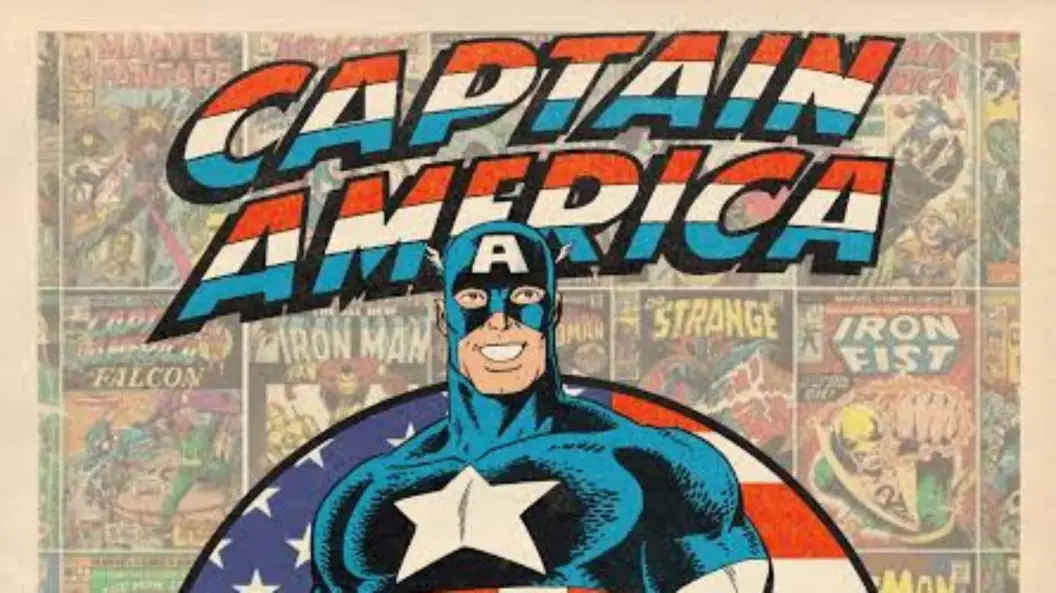
An original storyboard for Captain America #175 from 1974 sold for $3,750 at Heritage Auctions, according to ComicBook.com. The piece, created by Sal Buscema and Vince Colletta, features Captain America smashing Moonstone through a tree and engaging in a fight that has become a signature moment for the character. The artwork’s value was significantly elevated by its historical context: during the 1970s, Marvel Comics had a policy change that required artists to submit two pages per storyboard board, effectively halving their payment compared to the previous per-page rate.
This policy shift was a direct response to cost-saving measures Marvel implemented in the 1970s. As noted by ComicBook.com’s writer Vaspaan, artists previously received payment for each individual storyboard page, but Marvel’s decision to consolidate submissions into double-page boards reduced their earnings by half. The change caused dissatisfaction among artists, who were not compensated for the additional work required to produce two pages in a single submission. Marvel quickly reversed the policy, which explains why such storyboards are exceptionally rare today.
Why This Storyboard Stands Out
While Captain America #175 is not a landmark issue or the first appearance of the character, its historical significance lies in the format of the storyboard itself. The piece is one of the few surviving examples of the double-page format that Marvel abandoned after the policy shift. The artwork’s value has been further amplified by its thematic resonance with Captain America’s core identity: the character’s ability to overcome adversity through physical prowess and unwavering patriotism.
The storyboard captures classic Captain America tropes—body slams, shield throws, and battles against more powerful foes—while showcasing the hero’s determination to defeat opponents through sheer willpower. As Vaspaan explains, the panels ‘fully capture what Captain America is all about’ when spirit and patriotism are insufficient, highlighting the character’s iconic ability to ‘slam foes through objects and trock them square in the face with his iconic shield.’
The Artist Fee Policy Shift and Its Impact
Marvel’s 1970s policy change was a relatively minor but impactful adjustment in the comics industry. The shift from per-page to double-page submissions was part of a broader effort to reduce production costs during a period of economic uncertainty. However, the policy’s reversal within a short timeframe demonstrates how quickly Marvel adapted to artist feedback, a practice that contrasts with modern industry practices.
The rarity of this specific storyboard format has made it a valuable collectible. As Vaspaan notes, the piece is ‘hard to come across’ in the 1970s comics market, with few surviving examples in Heritage Auctions or Marvel’s archives. This scarcity, combined with the historical context of the policy shift, has driven its current valuation to $3,750.
Why This Matters for Collectors and Historians
For comic book collectors and historians, this storyboard provides a tangible link to Marvel’s early creative processes. The piece illustrates how cost-saving measures in the 1970s influenced the production of comics, even if the policy was quickly abandoned. The story of the double-page format also highlights the importance of artist fees in shaping the creative output of the era.
The sale underscores the value of historical context in comic book collecting. While many iconic issues command high prices due to their significance in the character’s history, this storyboard’s value stems from its unique production method—a detail that collectors and historians can use to better understand the evolution of Marvel’s creative processes.
Marvel's 1970s Artist Fee Policy Shift Created Rare Captain America StoryboardWhy This Storyboard Stands OutThe Artist Fee Policy Shift and Its ImpactWhy This Matters for Collectors and Historians
EpisodeBreakdown may use automated tools to assist research, drafting, and formatting. Published pages are governed by our editorial and corrections policies, and source links are shown when they are available in the article record.
Discovery source:ComicBook.com. The source identifies where the topic was discovered; EpisodeBreakdown is responsible for the commentary published on this page.
Reader response
What did you think?
Be the first to react
Reactions and poll results are based on real reader responses. No account is required.
Continue the story
news
Harlan Ellison's 'Soldier' Episode and The Terminator: How a 1960s Sci-Fi Story Led to a Major Lawsuit
Harlan Ellison's 1960s sci-fi episode 'Soldier' inspired a lawsuit against James Cameron's The Terminator, which was settled with Ellison receiving a credit. The legal dispute highlights the complex history of sci-fi storytelling and copyright in film.Read next →