ComicBook.com reports Marvel may revive the forgotten Deathlok character to revitalize its multiverse storytelling, citing the concept's potential to create fresh dystopian futures without reinventing the wheel.
Marvel's Deathlok Concept Could Revive Multiverse Storytelling
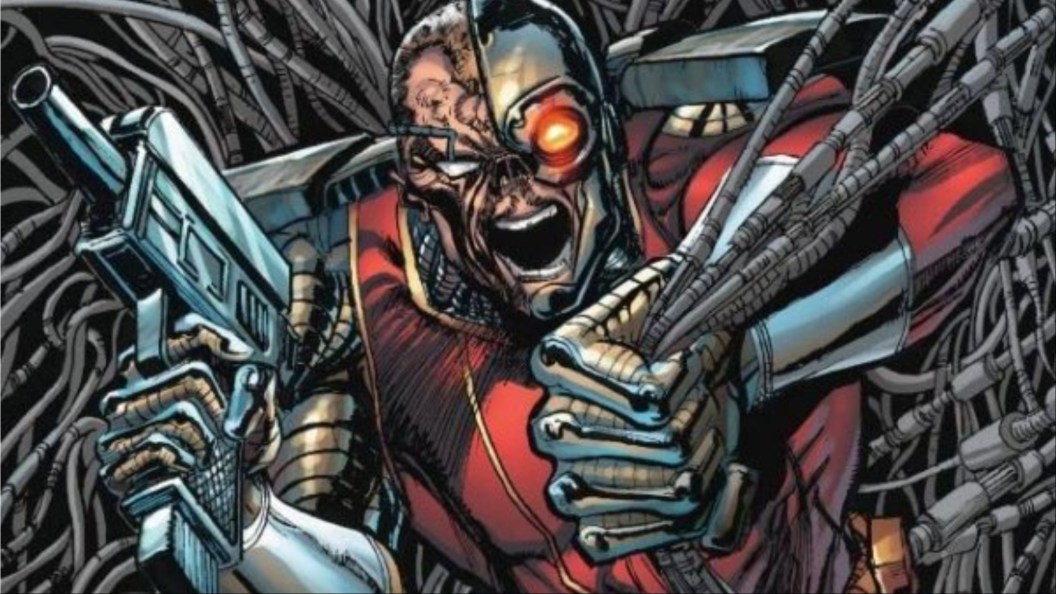
ComicBook.com has reported that Marvel Comics may revive the long-forgotten Deathlok character to refresh its multiverse storytelling. The article, published on September 15, 2026, states that Deathlok—a cybernetically enhanced killing machine concept introduced in the 1970s—has become a potential catalyst for new multiverse narratives without requiring major creative reinvention.
The piece highlights that Deathlok was created by Rick Buckler in 1974 as a novel character for a book but adapted into comics as a fusion of The Six Million Dollar Man and Captain America. The original Deathlok, Luther Manning, was a dead American soldier resurrected with android technology who was sent back in time to fight alongside heroes before returning to overthrow his creators. This concept aligns with Marvel's 1970s shift toward grittier storytelling, which later paved the way for characters like Wolverine and the Punisher.
Deathlok's Evolution Across Marvel's History
Deathlok has appeared in multiple iterations since its debut. The original Manning version was followed by Michael Collins, a modern-era Deathlok created using future technology. Collins became a flexible tool for Marvel writers, enabling character reveals and storylines without committing to a single timeline. The concept was later expanded into alternate Earths where Deathlok technology was controlled by the corporation Roxxon, leading to time-traveling scenarios where heroes were sent back to ensure their futures.
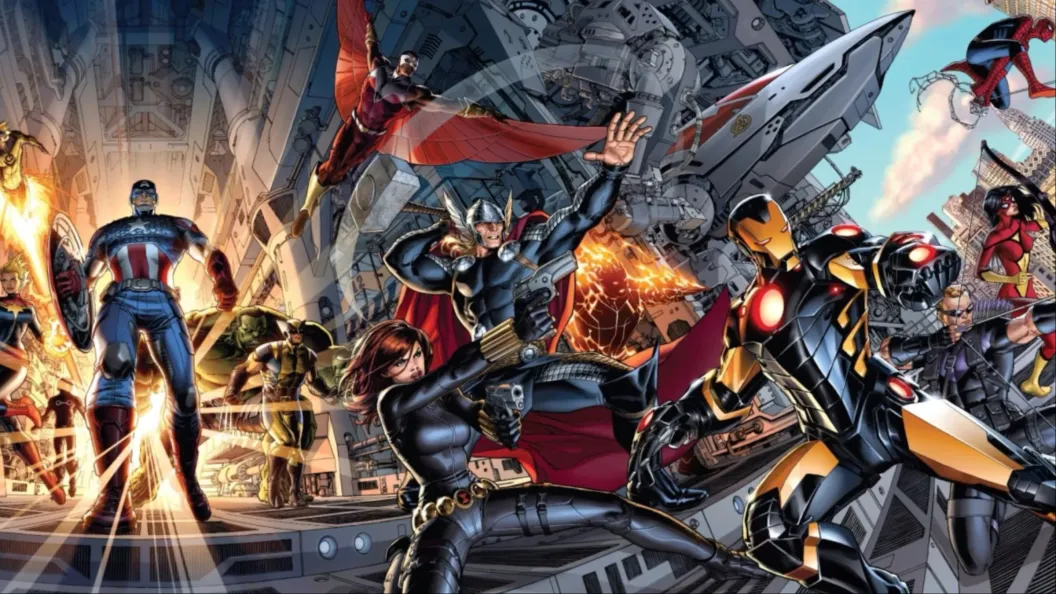
The article notes that Deathlok's most notable appearance was in Savage Avengers (Vol. 2), where a Deathlok-controlled Earth was created by Ultron, forcing the Avengers to travel to the future to stop the threat. This version of Deathlok, described as a 'pacifist hooked to a computer that loves to kill,' became a standout example of the character's potential.
Why Deathlok Fits Marvel's Current Multiverse Challenges
Marvel has struggled with its multiverse framework, with critics arguing that the current system lacks depth and originality. The article suggests that Deathlok could address this by providing a simple yet versatile narrative tool. Unlike the X-Men's Sentinels, which have been used to create numerous dystopian futures, Deathlok's technology could be repurposed by villains to create distinct, rule-based alternate realities without requiring a complete overhaul of Marvel's existing multiverse structure.
The piece emphasizes that Deathlok's simplicity makes it an ideal candidate for a 'quick fix' to Marvel's storytelling challenges. As the article states, 'An evil cyborg future controlled by a heartless corporation is really hard to mess up,' and the character's time-traveling narrative could be adapted to create fresh stories without reinventing the wheel.
The Strategic Rationale for Revival
Marvel's decision to revive Deathlok would align with its recent focus on character-driven storytelling and multiverse expansion. The concept has been dormant since the 1970s but has remained a foundational element of Marvel's universe, with its technology used in various storylines without direct character involvement. By reintroducing Deathlok, Marvel could leverage its established lore to create new narratives that feel both familiar and innovative.
The article notes that Deathlok's versatility allows it to function as either a hero or villain, depending on context. This flexibility makes it an ideal tool for writers to explore different multiverse scenarios without the need for extensive world-building. For example, a Deathlok-controlled Earth could be used to explore themes of corporate dominance, time travel, and ethical dilemmas in a way that feels fresh yet grounded in Marvel's existing universe.
Why This Matters for Marvel Fans
For Marvel fans, the potential revival of Deathlok represents an opportunity to revisit a character that has been a part of the Marvel universe for decades but has never achieved mainstream success as a solo hero. The article suggests that Deathlok's return could provide a much-needed creative reset for Marvel's multiverse, addressing criticisms of its current storytelling approach while maintaining the character's relevance.
The piece concludes that Deathlok's revival is 'about time' for Marvel, given its potential to create stories that are both accessible and impactful. By focusing on a concept that has already been refined over decades, Marvel could avoid the pitfalls of overcomplicating its multiverse while still delivering fresh narratives that resonate with fans.
Marvel's Deathlok Concept Could Revive Multiverse StorytellingDeathlok's Evolution Across Marvel's HistoryWhy Deathlok Fits Marvel's Current Multiverse ChallengesThe Strategic Rationale for Revival
EpisodeBreakdown may use automated tools to assist research, drafting, and formatting. Published pages are governed by our editorial and corrections policies, and source links are shown when they are available in the article record.
Discovery source:ComicBook.com. The source identifies where the topic was discovered; EpisodeBreakdown is responsible for the commentary published on this page.
Reader response
What did you think?
Be the first to react
Reactions and poll results are based on real reader responses. No account is required.
Continue the story
news
Captain America, Iron Man, and Thor Don’t Define the Avengers, These 5 Heroes Do
ComicBook.com reports that while Captain America, Iron Man, and Thor are often considered the core Avengers, the team’s true identity is defined by five key members who have shaped its legacy.Read next →