Daniel Craig's final Bond film diverges from tradition, potentially impacting the franchise's future. Explore the key elements and implications of this significant turn.
No Time to Die Broke the Franchise with James Bond's Death: Movie News Breakdown
Daniel Craig’s last appearance as the iconic secret agent James Bond has been a topic of intense discussion. With the startling decision to kill off Bond in "No Time to Die," fans and filmmakers alike are left pondering the future of the franchise. This article delves into the key aspects of this significant film, analyzing its impact on the legacy of one of cinema's most enduring characters.
Quick Summary
"No Time to Die" signals a pivotal moment in the James Bond saga, departing from the traditional formula that has characterized earlier films. Instead of merely setting up the next installment or following a formulaic path, this film ends with Bond’s definitive death, sending shockwaves through the franchise. This article outlines the film's storyline, character dynamics, and what this means for the future of 007.
Story Setup
In "No Time to Die," Bond grapples with a life-altering decision as he confronts new threats that challenge both his skills and his emotional resilience. After living a quiet life in Jamaica post-retirement, the resurgence of old friends and foes soon pulls him back into the world of espionage. The film weaves a narrative that blends high-stakes action with poignant personal stakes. Craig’s portrayal captures a Bond that is no longer just an invincible agent; he is a man confronting the complexities of life, love, and loss.
Main Characters
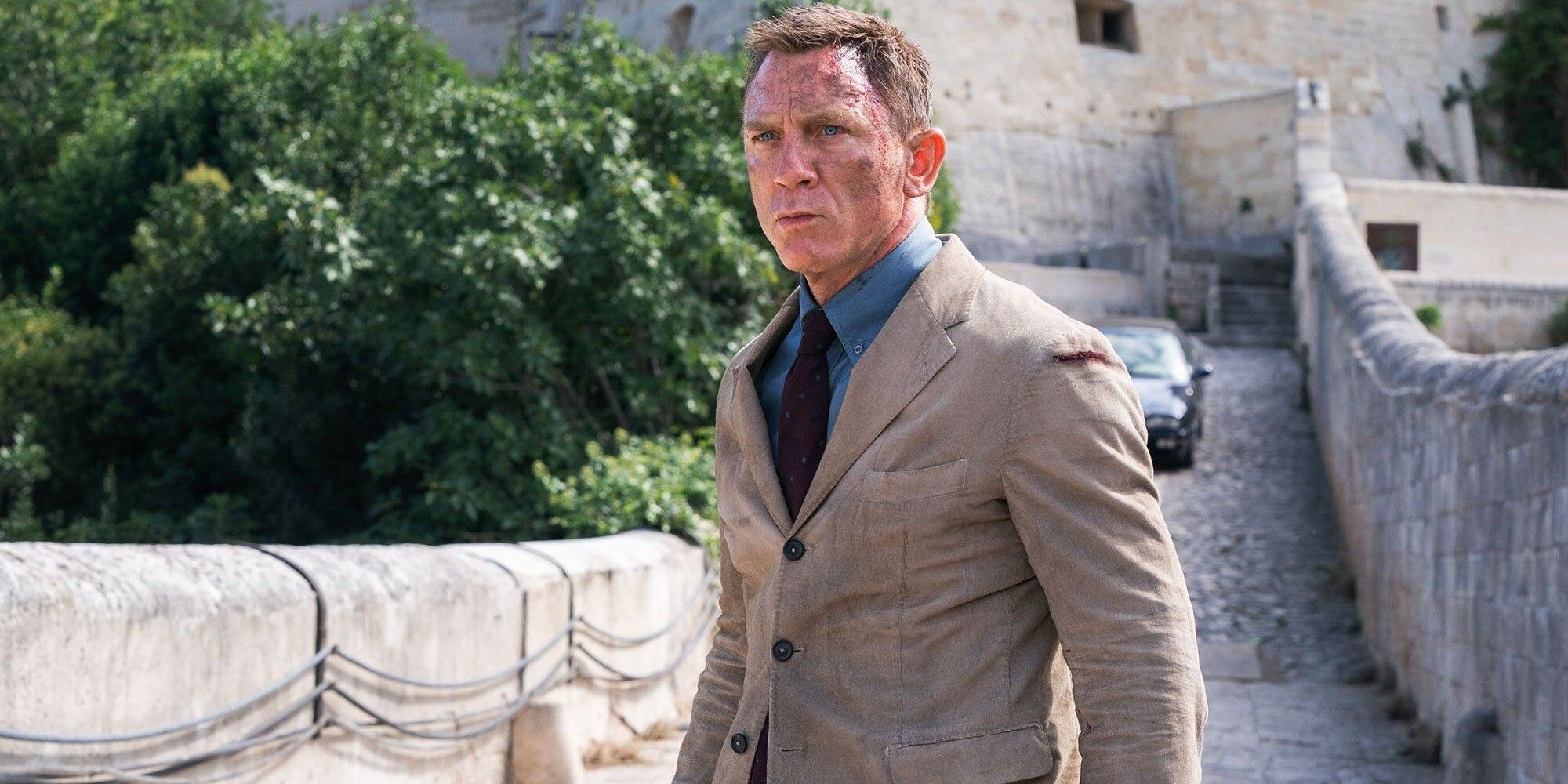
James Bond (Daniel Craig): In his final performance as 007, Craig's Bond is layered and reflective, facing not only external enemies but also his internal struggles.
Dr. Madeleine Swann (Léa Seydoux): Bond's love interest who plays a crucial role in the emotional depth of the narrative. Her history with Bond adds an element of personal conflict.
Safin (Rami Malek): The film's antagonist, Safin poses a significant threat with his twisted motives. He represents a new breed of villain, one with a personal vendetta against Bond's legacy.
M (Ralph Fiennes): The head of MI6 who stands as a moral compass and authority figure for Bond. His role in the narrative reflects the tension between duty and personal loyalty.
These characters form a complex web of relationships, fueling the film’s emotional depth and thematic resonance.
Ending or Latest Episode Explained
In a shocking conclusion, Bond sacrifices himself to defeat Safin and save those he loves, a climax that diverges dramatically from the usual Bond formula. Historically, Bond films have left room for a sequel or a continuation of the character's saga, but this ending raises questions about the next steps in the franchise. By daring to assert that Bond cannot always emerge victorious, the film establishes a new baseline for creating stories within the 007 universe. Fans are left grappling with the implications of Bond’s death—does this mark the end of the legendary character or the beginning of a new chapter?
What Could Happen Next
With Bond's demise, the franchise faces a crossroads. One potential direction could involve focusing on legacy and introducing a new character that carries Bond's mantle—much like the passing of the torch. The discussion around whether the next 007 should be male or female has sparked considerable debate, indicating a shift towards a more inclusive representation in the franchise.
Alternatively, the filmmakers may choose to explore Bond's backstory or even a prequel, diving deeper into the events that led to his rise as MI6's most renowned agent. This approach could resonate well with fans who are eager for a return to the allure and adventure of Bond’s earlier years.
Why This Is Trending
The bold narrative choices in "No Time to Die" highlight a broader trend in film and television where creators are willing to take risks to redefine long-standing characters. The reception of this film has prompted discussions not only about the future of the James Bond franchise but also about the evolving landscape of cinema where traditional structures are challenged. As the audience reacts to the film’s conclusion, the conversation has shifted towards what a post-Bond era could look like. Themes of mortality, legacy, and redemption resonate deeply in today’s storytelling landscape, significantly influencing fans’ engagement.
Social media buzz, critical reviews, and audience reactions continue to keep the film at the forefront of entertainment discussions. The franchise’s future now hinges not just on action-packed sequences but on discerning how to maintain the essence of James Bond while navigating new narrative avenues.
Final Thoughts
"No Time to Die" marks an evolutionary step for the James Bond franchise. By intertwining emotional stakes with a traditionally action-oriented narrative, it has carved a new space within a classic story. While Bond's death is significant, it opens the door to fresh perspectives and character development within a beloved framework. The challenge now lies in how the filmmakers will move forward. Will they embrace change and explore uncharted territories, or will they seek to resurrect the character in a familiar mold?
As fans and critics reflect on this cultural milestone, one thing remains certain: the legacy of James Bond will live on, but its future may look very different than it ever has before.
No Time to Die Broke the Franchise with James Bond's Death: Movie News BreakdownStory SetupMain CharactersEnding or Latest Episode Explained
EpisodeBreakdown may use automated tools to assist research, drafting, and formatting. Published pages are governed by our editorial and corrections policies, and source links are shown when they are available in the article record.
Discovery source:CBR Movies. The source identifies where the topic was discovered; EpisodeBreakdown is responsible for the commentary published on this page.
Reader response
What did you think?
Be the first to react
Reactions and poll results are based on real reader responses. No account is required.
Continue the story
movies
Box Office Titans: An Analysis of the Top Grossing Films
Explore the dynamics behind the soaring success of the highest-grossing films, revealing trends and standout moments in cinematic history.Read next →