
Paul Walker's Daughter Addresses Selling Rumors of Furious 7 Car
Meadow Walker clarifies rumors surrounding the sale of Paul Walker's Furious 7 car, revealing its current display status.
Examining why 'The Silver Chalice' is considered Paul Newman's worst film and its troubled production.
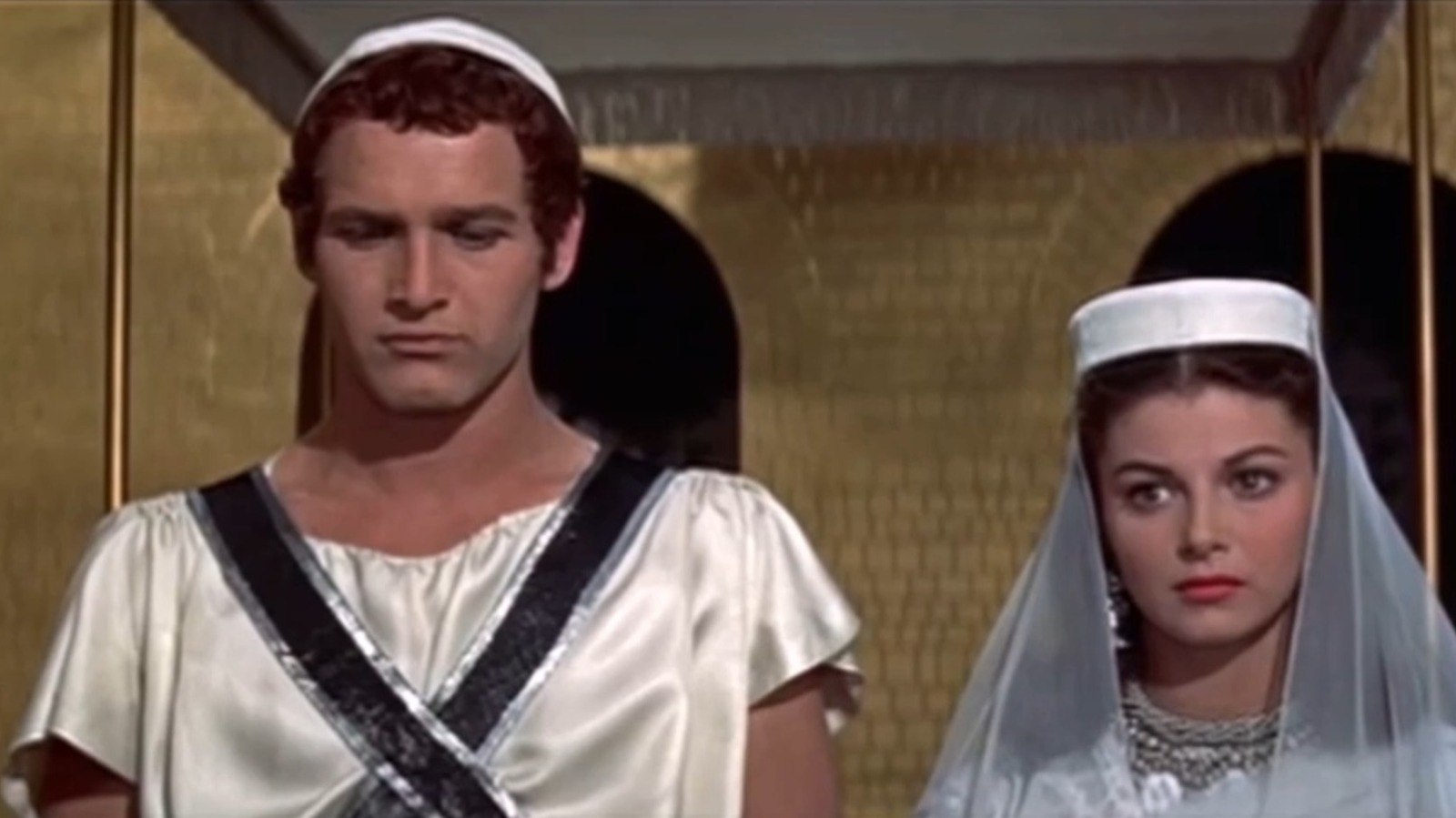
In simple terms, the central question surrounding Paul Newman’s historical epic, The Silver Chalice, is why it has been labeled by the actor himself as “the worst film ever made in America.” What happened is that this 1950s flop was marked by poor production choices, unconvincing performances, and a convoluted plot that ultimately led to its downfall.
The Silver Chalice tells the story of Basil, portrayed by a young Paul Newman, who is sold into slavery after the death of his benefactor, Ignatius. The film navigates through a blend of Biblical history and fantastical storytelling, leading Basil into the hands of Luke, one of Jesus' disciples. The narrative explores Basil's journey as he becomes a sculptor tasked with creating a sacred chalice to hold the Holy Grail. Among its many elements, the film features a supernatural antagonist in Simon the Magician played by Jack Palance.
While the intention was to create an epic in the vein of films like Quo Vadis, the execution diverged significantly. The wild colors and abstract settings contributed to the film’s over-the-top style but failed to resonate with audiences. What is confirmed is that the film struggled to make a coherent statement, leading it to be perceived as less of a serious epic and more of a historical farce.
The making of The Silver Chalice involved ambitious artistic choices, with Rolf Gerard designing striking sets inspired by the theater rather than realistic depictions of Ancient Rome or Judea. Shots taken in Palm Springs to represent the deserts of the Middle East added to its visual dissonance. Moreover, the use of bright, expressionistic colors was meant to enhance the grandeur of the story but instead contributed to a feeling of artificiality.
According to reports, these design choices played a crucial role in the film's failure to connect with audiences, largely because they undermined the film's serious themes. When art becomes too detached from its subject, it risks losing the emotional engagement of its audience. The Silver Chalice is a case study in how ambition can falter in execution.
Paul Newman’s relationship with The Silver Chalice is one of regret. In various interviews, he expressed his dislike for the film, dubbing it his worst work. He once humorously claimed to have taken out ads apologizing to viewers when the film was broadcast on television. This acknowledgment of failure serves as a key inflection point in Newman’s career, marking a transition from naivety to a deeper understanding of his craft.
He has often linked the experience to a personal growth journey. As he stated, the experience of navigating the challenging landscape of a poorly received film pushed him to engage in more serious study and refining of his acting skills. This perspective reflects a crucial theme in the film industry: how failure can often be a springboard for greater success.
One of the central themes in The Silver Chalice revolves around the cost of ambition and the quest for redemption. The journey of Basil from a favored son to a slave embodies a larger narrative of loss and recovery of identity. The film tries to delve into the significance of the Holy Grail as a symbol of faith and endurance amid the chaos of life.
Yet, the over-engineered plot line dilutes these themes. Viewers are left with a lesser grasp of the moral implications because of the film's failure to deliver a coherent narrative. This thematic inconsistency reflects the conflict between artistic ambition and narrative clarity, a lesson filmmakers still grapple with today.
Upon its release, The Silver Chalice was a commercial disappointment, grossing only $3.2 million against a budget of $4.5 million. According to various reports, the film was panned by critics for its lackluster storytelling and stylistic excess. The fact that it attracted attention partly due to the nomination of Franz Waxman for an Academy Award for Best Score emphasizes how the music can sometimes overshadow critical flaws in visual storytelling.
Newman's reputation wasn’t significantly tarnished, as he would go on to solidify his stature in Hollywood with subsequent roles. However, The Silver Chalice remains a cautionary tale: a stark reminder of miscalculations in filmmaking that can turn an epic vision into a frustrating experience for audiences and actors alike.
Ultimately, The Silver Chalice stands as a monument to the volatile nature of Hollywood, revealing how artistic ambition can sometimes lead to unforeseen missteps. Paul Newman’s experience with the film underscores the significant complexities of acting and filmmaking—how failure can prompt deeper understanding and refinement in one’s craft. It also invites viewers to consider the evolution of cinematic storytelling, reminding us that every misfire offers valuable lessons about artistic expression and audience engagement.
For those interested in other cinematic missteps, a look at Tom Cruise's Legend demonstrates similar themes of ambition falling short, while the explorations of films like Netflix's removal of iconic trilogies highlight the ongoing challenges within the entertainment industry.
Movie explanation
EpisodeBreakdown may use automated tools to assist research, drafting, and formatting. Published pages are governed by our editorial and corrections policies, and source links are shown when they are available in the article record.
Discovery source: Slashfilm. The source identifies where the topic was discovered; EpisodeBreakdown is responsible for the commentary published on this page.
Reader response
Reactions and poll results are based on real reader responses. No account is required.