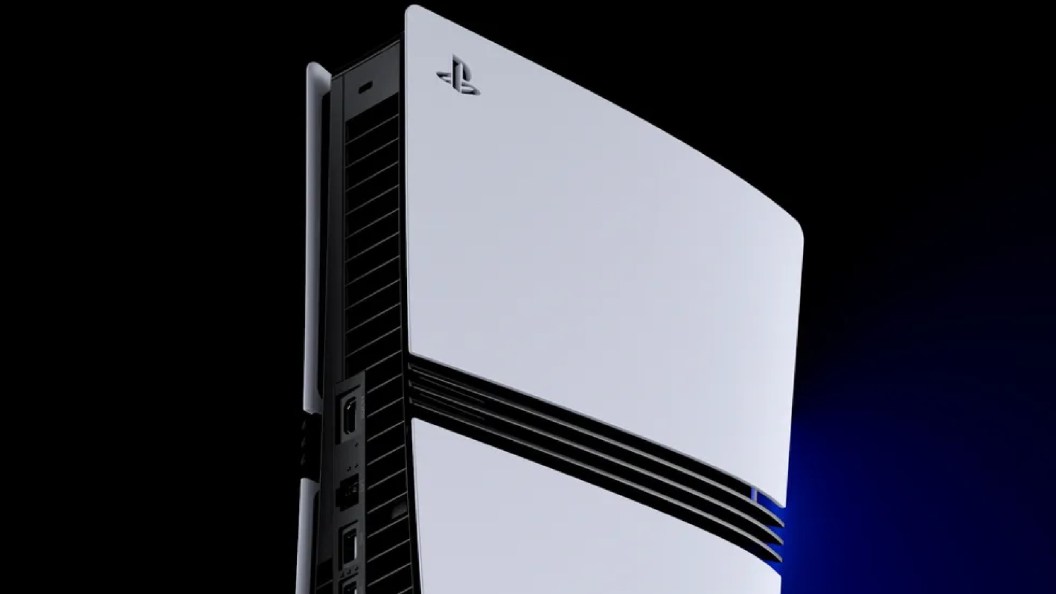
The PlayStation 5 is nearing the end of its lifespan, but Sony's recent strategic moves—including canceled projects, shifting hardware priorities, and ending partnerships—have raised concerns about the PlayStation 6's future.
Sony's PlayStation 5 Faces Strategic Uncertainty as PS6 Timeline Emerges
ComicBook.com's Gaming Features Writer Justin Joy has reported that the PlayStation 5 is nearing the end of its lifespan, with Sony's recent strategic decisions casting doubt on the PlayStation 6's future. The article, published on September 18, 2026, highlights how Sony's shift toward live-service games, digital-only distribution, and partnerships has created a complex landscape for the next console generation.
The PlayStation 5 has successfully followed up the PlayStation 4 with a strong library of games, including God of War: Ragnarok, Horizon: Forbidden West, and Death Stranding 2: On The Beach. However, Joy notes that the console's later life is marked by uncertainty as Sony grapples with strategic missteps.
Sony's Live-Service Strategy and Canceled Projects
Sony's decision to invest heavily in live-service games during the PS5 generation has been a major point of contention. According to Joy, the company had plans to launch 12 live-service games by fiscal 2025 under then-president Jim Ryan. While the strategy aimed to secure steady revenue and player retention, it has led to significant cancellations.
The most notable example is Concord, a game that initially showed promise but was taken offline after approximately two weeks due to poor player engagement. Sony subsequently closed the developer, Firewalk, effectively wasting years of development. Similarly, Sony canceled God of War and The Last of Us multiplayer games, as well as shutting down Bend Studio and Bluepoint Games.
These cancellations have raised questions about Sony's ability to balance its strategic priorities with the quality of its first-party games. Joy emphasizes that while resources could theoretically be redirected, the pattern of cancellations suggests a misalignment with what players expect from PlayStation.
Physical Game Distribution Shift and Ownership Concerns
Another critical issue is Sony's plan to stop physical game production by 2028, shifting all sales to digital platforms. This move has sparked concerns about video game ownership, as physical discs historically served as tangible proof of ownership and collector's items. The shift toward digital distribution gives Sony more control over how games are sold and accessed, but it risks alienating players who want to preserve their libraries or resell games.
The article notes that this strategy has already impacted Sony's relationship with developers. Hideo Kojima's Physint project, initially announced as a PlayStation title, was abandoned in September 2026 when Sony stepped away from the collaboration. Kojima later partnered with Xbox to preserve the project, highlighting Sony's potential struggles in maintaining key partnerships.
Recent Game Performance and Market Reactions
Despite these challenges, the PlayStation 5 continues to host high-profile titles like Ghost of Yotei and God of War: Ragnarok. However, recent releases have raised concerns. Marathon, a game that launched after delays and controversies, is currently bleeding its player base. Marvel's Wolverine, a game that should have been an easy win for PlayStation, has received mixed reviews, showing a significant drop-off from Insomniac's Spider-Man series.
These examples illustrate that even recognizable franchises and high production values cannot guarantee success, leaving Sony's future studio output uncertain. Joy argues that the PlayStation 6 could still be a strong console with better hardware and improved loading times, but Sony must address core player concerns about ownership and game quality.
What This Means for PlayStation 6 Development
The article concludes that Sony has time to address these issues, but the PlayStation 6 cannot rely solely on the PlayStation brand to succeed. Players expect great games, a strong library, and confidence that their purchases remain accessible. Without addressing these concerns, Sony risks losing its competitive edge in the gaming industry.
For fans of PlayStation, the upcoming PS6 represents both opportunity and uncertainty. The company's ability to balance strategic innovation with player expectations will determine whether the next console generation can live up to the legacy of PlayStation.
Sony's PlayStation 5 Faces Strategic Uncertainty as PS6 Timeline EmergesSony's Live-Service Strategy and Canceled ProjectsPhysical Game Distribution Shift and Ownership ConcernsRecent Game Performance and Market Reactions
EpisodeBreakdown may use automated tools to assist research, drafting, and formatting. Published pages are governed by our editorial and corrections policies, and source links are shown when they are available in the article record.
Discovery source:ComicBook.com. The source identifies where the topic was discovered; EpisodeBreakdown is responsible for the commentary published on this page.
Reader response
What did you think?
Be the first to react
Reactions and poll results are based on real reader responses. No account is required.
Continue the story
news
Captain America, Iron Man, and Thor Don’t Define the Avengers, These 5 Heroes Do
ComicBook.com reports that while Captain America, Iron Man, and Thor are often considered the core Avengers, the team’s true identity is defined by five key members who have shaped its legacy.Read next →