Understanding the Box Office Success of 'Hadestown'
This article analyzes Bleecker Street's strategic success with 'Hadestown' through audience data-driven decisions.
Director Zach Cregger explains the absence of iconic character Leon S. Kennedy in his upcoming 'Resident Evil' film adaptation.
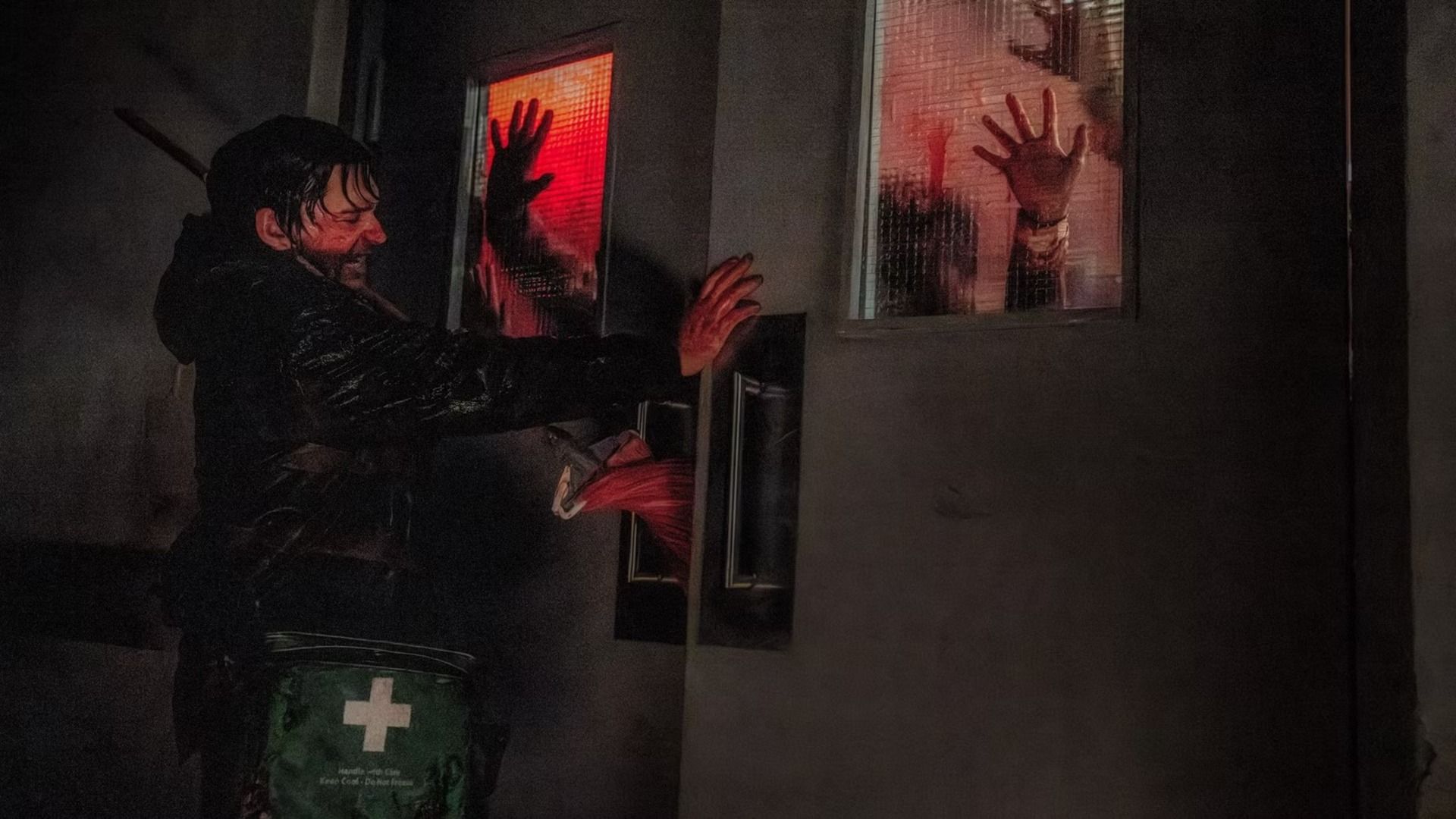
In simple terms, the absence of Leon S. Kennedy in the upcoming 'Resident Evil' film adaptation can be attributed to director Zach Cregger's desire to deliver a fresh narrative that honors the game's essence without rehashing its most iconic characters. Cregger believes that the game's industry has already told Leon's story more effectively than any film could. Therefore, he opted to create an original narrative set within the familiar backdrop of Raccoon City, focusing instead on a new character, Bryan, played by Austin Abrams.
This decision reflects a broader perspective Cregger holds regarding adaptations. He emphasizes that the new movie is less about replication and more about evoking the feelings and experiences associated with the franchise’s horror elements. By sidelining pre-existing characters such as Leon, Jill, and Chris, the film aims to explore new ground while still encasing itself within the broader universe of the beloved video games.
The director's choice aligns closely with his vision for creating an authentic Resident Evil experience. Cregger stated, "It's not survival action; it's survival horror." He aims to encapsulate the slow-building dread that defines the game series. Cregger's approach focuses on bypassing the narrative constraints that come with established characters, hoping to present a story driven by atmosphere rather than the familiar arcs of characters known to fans.
This creative direction not only allows for a different narrative but also builds upon the preset emotional landscape of the Resident Evil universe. By introducing Bryan as an avatar representing players' experiences, Cregger intends to bridge the gap between the audience and the eeriness of Raccoon City just as a player might navigate these horrors in a game.
Cregger's film will feature a cast of all-new characters, each designed to evoke specific gameplay archetypes while weaving their own unique stories. The trailers have strategically withheld much of the character details, maintaining an air of mystery around the new faces. This not only piques audience interest but also helps establish a narrative independence from the established lore that fans might expect.
While some might decry the absence of familiar figures like Leon S. Kennedy, Resident Evil enthusiasts can still anticipate a film that respects the spirit of the franchise without mimicking its plotlines. Cregger’s intent of crafting an original story surrounding the iconic Umbrella Corporation and the infamous T-virus positions the film to stand as a complementary experience rather than a direct continuation of previous adaptations.
As Cregger has acknowledged, many fans have longed for a cinematic experience that reflects the beloved characters from the games. The previous adaptations, particularly those directed by Paul W.S. Anderson, leaned heavily on established narratives and characters while diverging significantly from the source material. Naturally, this has set a high bar in the eyes of fans, many of whom are eager to see characters like Leon, Jill, and Chris take center stage once again.
However, Cregger's position of avoiding this familiar terrain underscores a nuanced understanding of the franchise. He doesn't see the merit in retelling Leon's saga when it has been executed powerfully within the games themselves. Instead, he envisions a new exploration of horror elements, harkening back to the psychological dread that made the original Resident Evil a hallmark of survival horror.
This bold choice has implications not only for character loyalty but also for the potential of expanding the Resident Evil universe into new, untapped storylines that could attract both nostalgic fans and newcomers alike.
The atmosphere Cregger seeks to cultivate is one of meticulous tension, evoking players' feelings of vulnerability and dread as they navigate hostile environments. His filmmaking process seems destined to tread a fine line: acknowledging the intricate lore of Raccoon City while simultaneously crafting a narrative that does not overshadow the stories players cherish.
He has indicated that the film revolves around the struggles that unfold in the city on the eve of the catastrophic outbreak. Incorporating elements such as the Umbrella Corporation—an indelible part of the series—enriches the story's foundation, revealing how evil permeates a seemingly ordinary setting.
This decision to place original characters into this backdrop, instead of established ones, may yield fresh perspectives on the tale. It invites the audience to experience the horror anew, drawing parallels between their own anxieties and the unfolding chaos, much like players experience in the games.
As Zach Cregger endeavors to redefine the Resident Evil cinematic experience, fans must grapple with his decisions regarding character adaptation. The absence of Leon S. Kennedy in the new film leads to the central theme of originality amidst familiarity, emphasizing storytelling over nostalgia for known narratives. While the response remains mixed, the upcoming film's position as an homage to the series' foundational horror creates an intriguing premise for audience engagement.
As we anticipate the film's release, scheduled for September 18, the discourse surrounding Cregger's creative concept will likely generate diverse opinions. However, this fresh take might just pave the way for a richer Resident Evil universe that transcends past adaptations. Each new story could open avenues for previously unexplored narratives while maintaining the palpable tension and dread that fans have come to love.
In a space so ripe with potential for reinvention, Cregger’s film could serve as a significant turning point for what adaptations can achieve in the horror genre.
Cregger's choice to exclude Leon S. Kennedy from his adaptation of Resident Evil encapsulates a desire for a more authentic portrayal of survival horror that aligns closely with the games. By not using established characters, he opens up possibilities for exploring new narratives while still establishing continuity within the franchise's lore. As audiences approach the film's release, the outcome will hinge on whether this daring creative decision resonates with fans who have long cherished the original game experience. The new film may redefine not just how adaptations are made but also what stories we choose to tell in beloved universes such as Resident Evil.
Movie explanation
EpisodeBreakdown may use automated tools to assist research, drafting, and formatting. Published pages are governed by our editorial and corrections policies, and source links are shown when they are available in the article record.
Discovery source: MovieWeb. The source identifies where the topic was discovered; EpisodeBreakdown is responsible for the commentary published on this page.
Reader response
Reactions and poll results are based on real reader responses. No account is required.