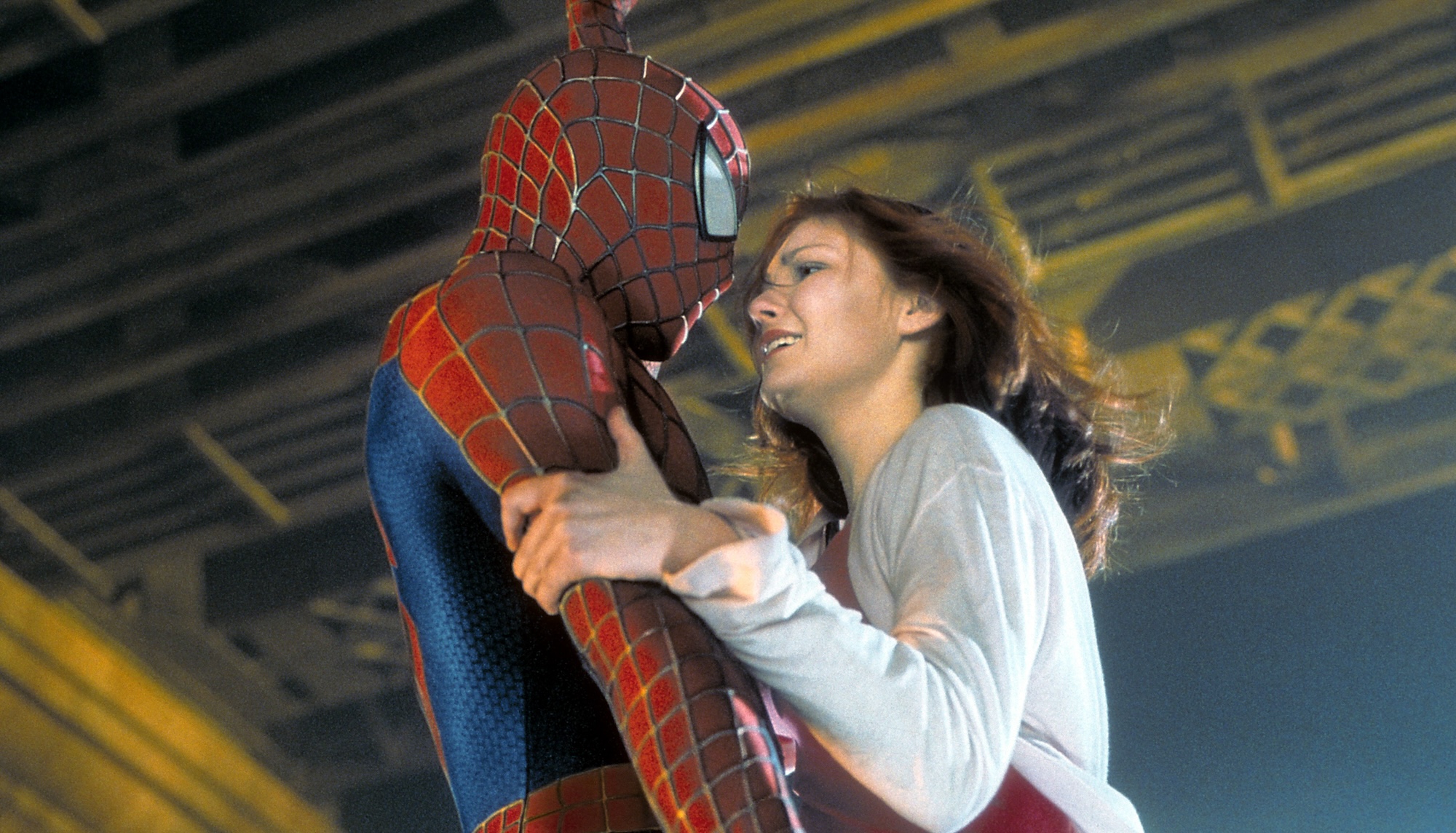
Spider-Man: Brand New Day Revives Organic Web-Shooters Debate
Spider-Man: Brand New Day brings back organic web-shooters, reframing a decades-old debate with humor and style, engaging both fans and newcomers.
Explore how The Rings of Power brings a lost Gandalf idea from Tolkien’s writings to the screen, enriching the lore and character depth.
Explore the franchise
In simple terms, the upcoming third season of The Lord of the Rings: The Rings of Power will revive a lost idea about Gandalf from J.R.R. Tolkien's works, specifically involving the majestic mûmak, or oliphaunt. This intriguing addition not only enriches Gandalf's character but also connects the series to Tolkien's broader lore in ways that the previous cinematic adaptations by Peter Jackson did not. It raises the question: how will this storyline shape our understanding of Gandalf and his relationship with nature and the world around him?
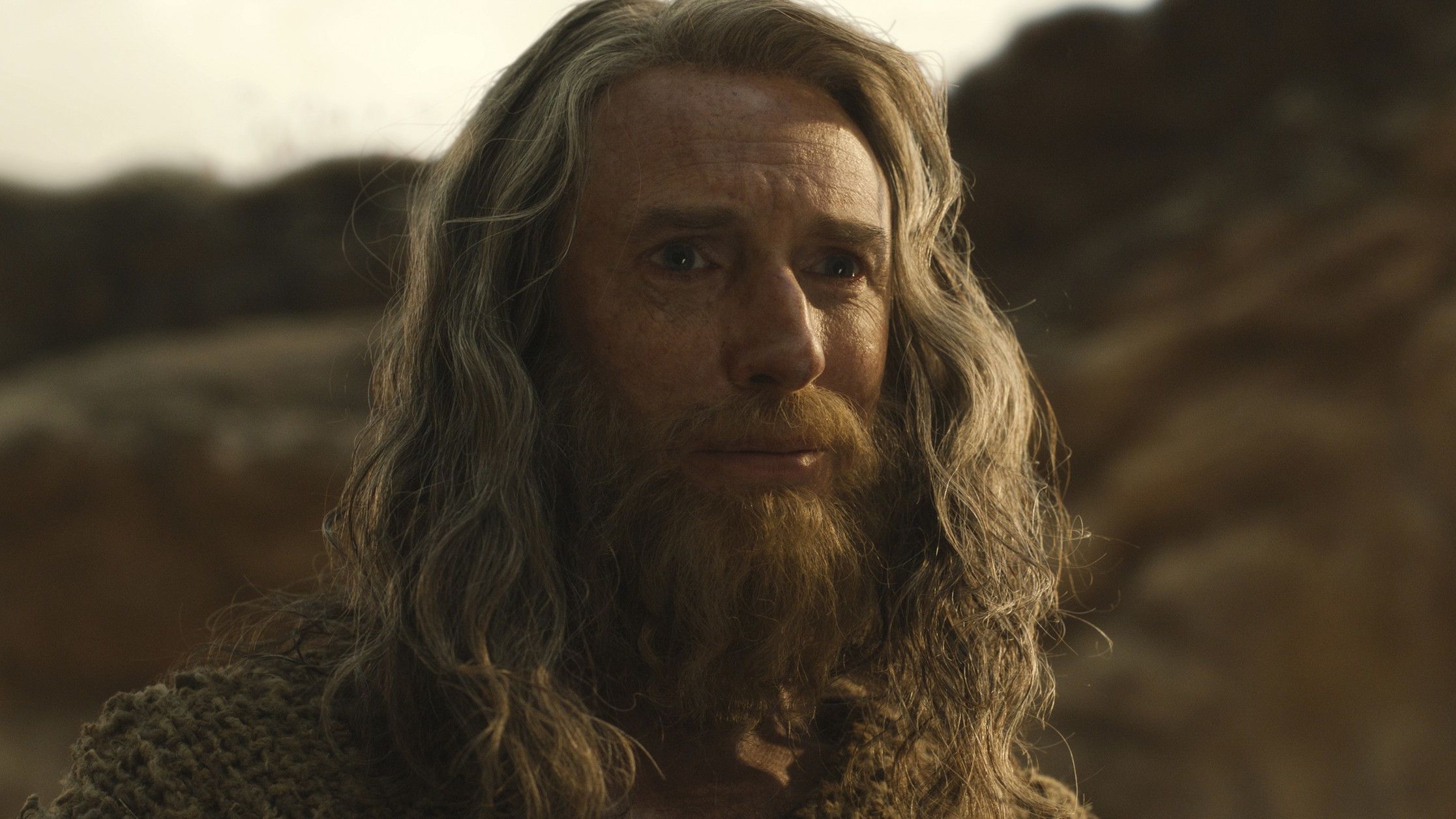
Here is what is confirmed: In a recent trailer, the series showcases Daniel Weyman's portrayal of Gandalf as he rides a mûmak across Rhûn, fulfilling a desire once expressed by Frodo Baggins in The Lord of the Rings novels. This element aligns closely with Tolkien’s narrative, illustrating the creative decisions made in The Rings of Power that aim to honor the original source material while expanding the story.
The interaction between Gandalf and the mûmak presents an opportunity to not only deepen viewers' affinity for his character but also to align the televised narrative with Tolkien's intricate world-building. The notion of Gandalf riding a mûmak might appear whimsical, yet it resonates with themes of companionship and understanding between sentient beings, highlighting his role as a guide and protector in Middle-earth.
Fans of Tolkien might recall that Frodo and Sam discussed oliphaunts long before their actual encounter with these creatures in Ithilien. During their journey, Sam’s poem about oliphaunts reveals the legends that hobbits whispered about them: formidable and majestic beasts that would someday lead them into victory. Frodo's lighthearted wish to see Gandalf riding one captures an innocent yearning for might against the dark forces they face, which is juxtaposed with the grim reality of their mission.
Weyman’s Gandalf is set to reveal layers of the character that past adaptations may have overlooked. Gandalf, as a Maia, embodies wisdom, responsibility, and an intrinsic bond with the natural world. In Tolkien’s lore, wizards, including Gandalf, were depicted as divine spirits with an inherent connection to animals. This aspect is illustrated in his ability to communicate with various creatures, from Shadowfax to the Great Eagles.
Peter Jackson's films tangentially touched on this connection but did not explore such themes deeply. The series aims to rectify that by presenting Gandalf in a more nurturing role, one that reflects his power not through dominance, but through symbiosis with the natural world. The decision to include a mûmak not only ties back to Tolkien's text but also symbolizes the broader struggle against oppressive forces in Middle-earth. By riding a mûmak, Gandalf could be seen as harnessing the strength of nature to overcome darkness.
The visual impact of Gandalf riding an oliphaunt is profound and rooted in mythology. Oliphaunts are not merely creatures; they represent immense strength and a collective memory among the hobbits. This moment will likely serve as a high point in the series, reinforcing Gandalf's mythic stature as a character who bridges the realms of men, beasts, and the divine.
Interestingly, this parallels significant moments in other fantasy narratives where giants or legendary creatures play crucial roles in determining the outcome of battles. The weight of this imagery, combined with Gandalf's presence, echoes similar themes found in epics where wisdom prevails over brute force, thus enriching the overall narrative arc of The Rings of Power.
Beyond the immediate spectacle of Gandalf riding a mûmak, this storyline hints at broader themes that may unfold in the future of The Rings of Power. The incorporation of earlier hints from Tolkien showcases the writers’ commitment to deepening the relationship between characters and the world they inhabit. There’s a subtle foreshadowing here: as Gandalf becomes more entangled with the forces of nature, we may see implications for the struggles between light and darkness continue to evolve.
Furthermore, while the series takes creative liberties regarding timelines and character development, it is evident that the writing team remains respectful to Tolkien’s vision. By paying homage to even the smallest lines and whimsical mentions—like Frodo’s fantasy of an oliphaunt army—the series grounds itself in authenticity that satisfies both new audiences and dedicated fans of the original material.
In conclusion, as The Rings of Power progresses into its third season, the revival of this lost Gandalf idea not only enhances the character's depth but also elevates the entire narrative realm of Tolkien's universe. By embracing folklore and character relationships, the series paves the way for a richer tapestry of storytelling that resonates with themes of companionship, sacrifice, and the eternal battle against evil. This narrative choice marks a celebration of Tolkien’s rich legacy, weaving together the familiar with the new.
Movie explanation
EpisodeBreakdown may use automated tools to assist research, drafting, and formatting. Published pages are governed by our editorial and corrections policies, and source links are shown when they are available in the article record.
Discovery source: CBR TV. The source identifies where the topic was discovered; EpisodeBreakdown is responsible for the commentary published on this page.
Reader response
Reactions and poll results are based on real reader responses. No account is required.