test
asdasd
The Griffin Incident in Strange New Worlds brings unprecedented horror and violence to Star Trek, marking a departure from its usual themes.
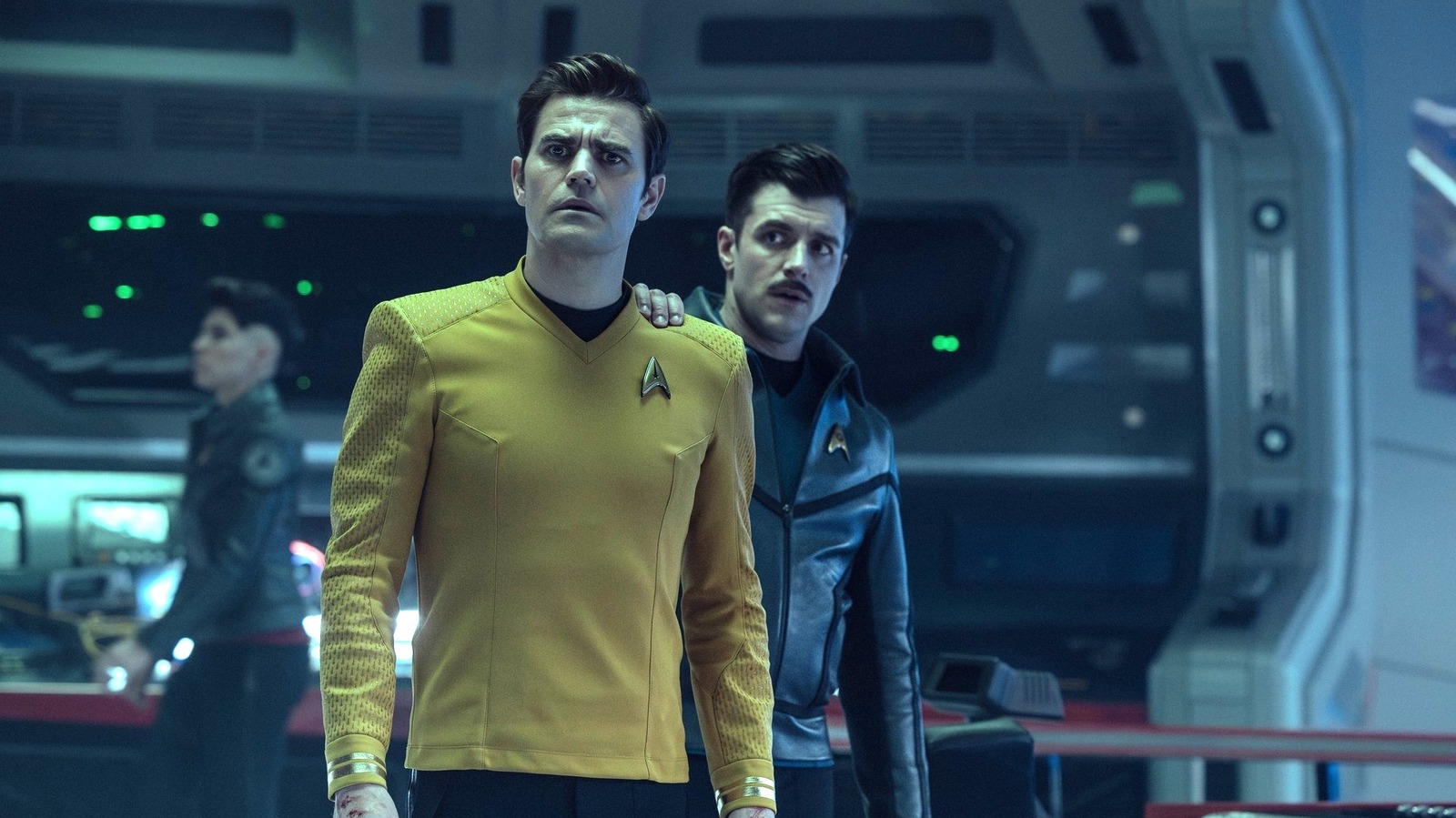
In simple terms, the second episode of Star Trek: Strange New Worlds Season 4, titled "The Griffin Incident," dives headfirst into horror, featuring unprecedented violence and gore that has not previously been seen in the franchise. This marks a significant tonal shift for the series, which had been criticized for leaning too heavily into comedic elements in earlier seasons. This episode is shocking not just in its graphic content, but also in its thematic exploration of fear and mental anguish.
The first three seasons of Strange New Worlds experimented with comedy, occasionally charming, but there was increasing concern that humor overshadowed the exploration that Star Trek is known for. Season 3 showcased episodes that felt more like comedies than serious sci-fi narratives, leading to a dilution of the show's core essence. However, "The Griffin Incident" reasserts the series' commitment to horror, positioning itself more akin to iconic films like The Shining, complete with tension and visceral fear.
At the heart of this episode is a psychological horror narrative that explores identity, vulnerability, and the effects of trauma. The crew, particularly Spock, Jim Kirk, and La'an, faces more than just physical threats; they confront manifestations of their deepest fears and regrets, complicating their fight for survival.
The episode intricately crafts a story where hallucinations and reality blur, creating an atmosphere thick with dread. For instance, Spock is not just in a perilous situation physically but is confronted by a ghostly version of T'Pring, his estranged fiancée. This confrontation leads to one of the most shocking scenes in Star Trek history — T'Pring uses surgical scissors to mutilate Spock's ears, challenging his identity as a Vulcan. This grim act embodies the core theme of self-destruction and the sabotage of one's essence.
Strange New Worlds has presented dark themes before, but the graphic violence showcased in The Griffin Incident takes this to a whole new level. The gruesome scenes, including the iconic moment where La'an nearly stabs Jim Kirk, are not solely for shock value. Instead, they illustrate the profound psychological distress the characters are experiencing under the influence of the haunted ship, the Griffin. This is a stark contrast to traditional Star Trek narratives, which often focused on diplomacy and ethical dilemmas rather than visceral horror.
Fans have noted that the episode resembles Alien in its tension-building and body horror, featuring scenes such as the gruesome fate of what Jim believes is his brother Sam Kirk. This macabre sequence, where Sam's intestines are horrifically pulled from his body before he is sucked into space, cements the episode's boldness. While it is later revealed that it’s a cruel illusion, the impact of the moment resonates with an unsettling permanence for both characters and viewers alike.
When discussing the violence in The Griffin Incident, it is crucial to compare it to previous onscreen gore in the Star Trek universe. The violence in The Next Generation episode "Conspiracy" and its infamous moments, such as the grotesque reveal of alien parasites, set a precedent for unsettling horror in the franchise. However, The Griffin Incident raises the stakes dramatically, delivering psychological horror wrapped in physical brutality.
The layered horror experience allows viewers and fans to engage with the episode on a deeper level. While Star Trek has always been an exploration of human nature and civilization, this new direction requires audiences to grapple with the darker aspects of existence and the vulnerabilities that accompany it.
The supernatural elements in The Griffin Incident cannot be overlooked. The experiences of hallucination expose the characters to their darkest fears, forcing them to confront personal trauma and crises of identity. For example, Captain Pike and Una are seen in hallucinations that lead Spock to further mutilate himself, suggesting an internal struggle exacerbated by the Griffin's oppressive influence. This raises questions about the construct of reality within the show, challenging viewers to contemplate how they perceive fear and personal demons.
The violent and horror-infused narrative of The Griffin Incident offers an exhilarating new chapter in the Star Trek legacy. As the show balances horror and the exploration of human nature, it invites fans and newcomers alike to engage with themes that transcend traditional sci-fi tropes. This departs boldly from earlier seasons, breathing new life into the series by confronting themes of identity, trauma, and the darker aspects of the human psyche.
Going forward, it will be interesting to see how the series integrates these bold themes into future episodes. Will the show maintain this darker tone? Or will it revert to its more comedic roots? The answers remain shrouded in uncertainty, leaving fans eager for what lies ahead in Strange New Worlds.
For further engagement with the series, check out related guides How Strange New Worlds Season 4 Foreshadows Kirk's Heartbreak and Exploring the Horror of Strange New Worlds: A Nod to Trek's Past.
Episode breakdown
EpisodeBreakdown may use automated tools to assist research, drafting, and formatting. Published pages are governed by our editorial and corrections policies, and source links are shown when they are available in the article record.
Discovery source: Slashfilm. The source identifies where the topic was discovered; EpisodeBreakdown is responsible for the commentary published on this page.
Reader response
Reactions and poll results are based on real reader responses. No account is required.


